

 334-310-1207
Synergy Wellness at MidCity
Huntsville, AL
35816
Detox treatments can help you safely withdraw from drugs and alcohol, and lower your risk for serious side effects associated with overcoming chemical dependency. Detox centers in Mobile are staffed with caring and understanding nurses, doctors, and therapists devoted to helping you achieve lifelong sobriety from drugs and alcohol.
Mobile drug detox centers often prescribe medications that help reduce or eliminate withdrawal symptoms, or can administer natural treatments such as acupuncture, massage, and exercise to ease symptoms. If you need help fighting addiction, call our 24/7 confidential helpline at 800-996-6135 to find nearby drug and alcohol detox centers in Mobile, AL.




| Name | Address | Detox Service Setting | Levels Of Care | Media |
|---|---|---|---|---|
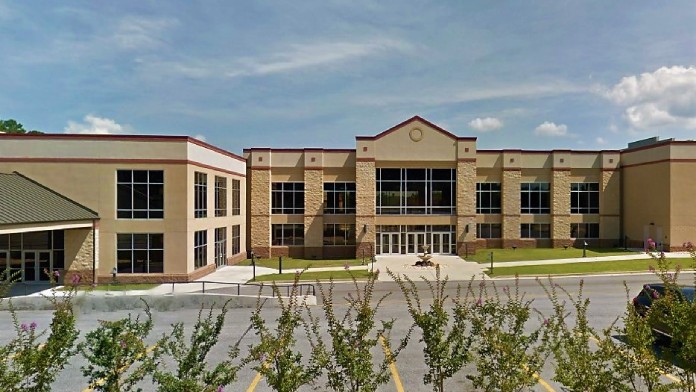
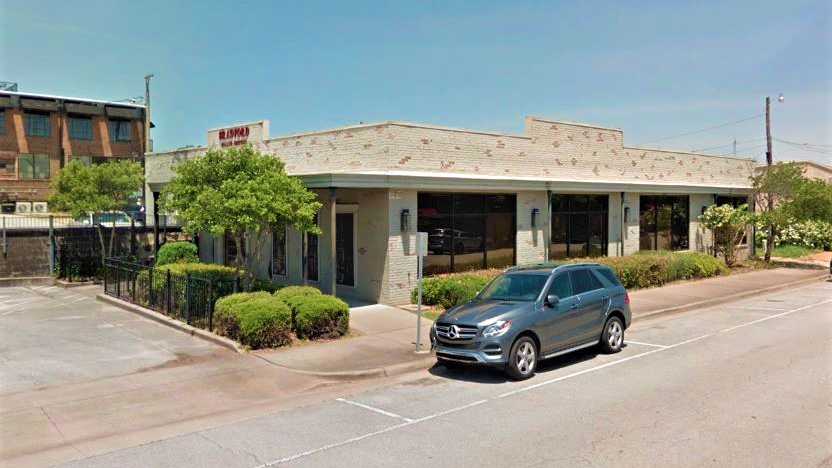
Bradford Health Services Drug and Alcohol Rehab |
1000 Hillcrest Road Mobile, AL 36695 |
Detox Service Setting
Outpatient Detox
|
Levels Of Care
Outpatient
|
|
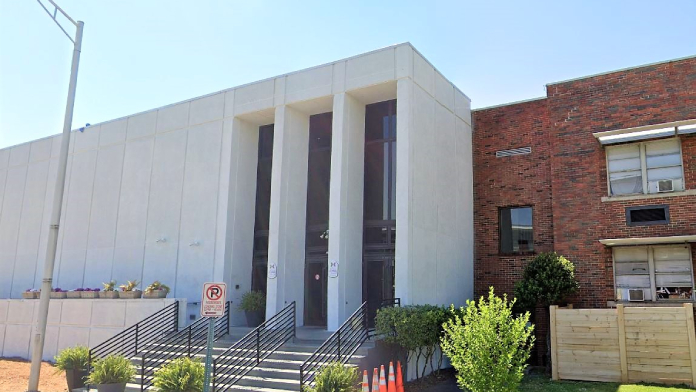
BHG Mobile Treatment Center ECD Program |
808 Downtowner Loop W Mobile, AL 36609 |
Detox Service Setting
Inpatient DetoxOutpatient Detox
|
Levels Of Care
InpatientOutpatient
|
|
Mobile Metro Treatment Center |
1924 Dauphin Island Parkway Mobile, AL 36605 |
Detox Service Setting
MATOutpatient Detox
|
Levels Of Care
InpatientOutpatient
|
|
BHG — Grand Bay Treatment Center |
12271 Interchange Drive Grand Bay, AL 36541 |
Detox Service Setting
Outpatient DetoxMAT
|
Levels Of Care
Outpatient
|
|
Lakeview Center Road to Recovery |
1221 West Lakeview Avenue Pensacola, FL 32501 |
Detox Service Setting
Inpatient DetoxOutpatient Detox
|
Levels Of Care
InpatientOutpatientDual Diagnosis
|
|
Gulf Coast Veterans Health Care System |
400 Veterans Avenue Biloxi, MS 39531 |
Detox Service Setting
Outpatient DetoxHospital DetoxInpatient Detox+1
|
Levels Of Care
InpatientOutpatientPHP+1
|

|
Twelve Oaks Recovery Center |
2068 Health Care Avenue Navarre, FL 32566 |
Detox Service Setting
Inpatient DetoxOutpatient DetoxMAT
|
Levels Of Care
InpatientPHPOutpatient+2
|
|
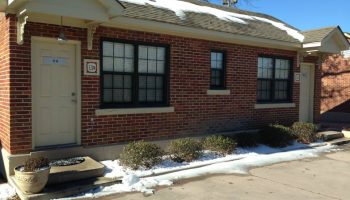
Pine Grove BH and Addiction Services |
2255 Broadway Drive Hattiesburg, MS 39402 |
Detox Service Setting
Inpatient DetoxOutpatient DetoxHospital Detox+1
|
Levels Of Care
InpatientOutpatientPHP+1
|
|
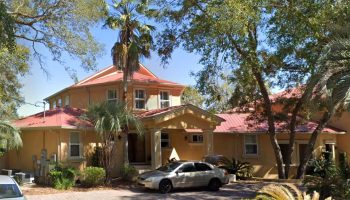
Bayshore Retreat |
457 Calhoun Avenue Destin, FL 32541 |
Detox Service Setting
Inpatient Detox
|
Levels Of Care
InpatientAftercareDual Diagnosis+1
|
|
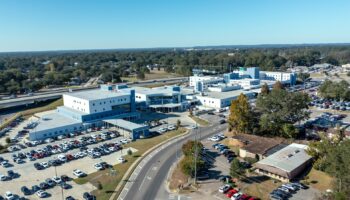
South Central Regional Medical Center |
1220 Jefferson Street Laurel, MS 39440 |
Detox Service Setting
Hospital DetoxOutpatient DetoxMAT+1
|
Levels Of Care
InpatientOutpatientAftercare
|
|
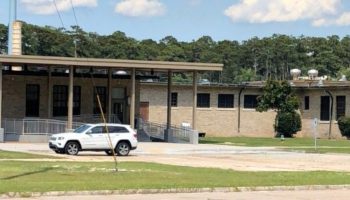
Fontainebleau Treatment Center Mandeville |
23861 Robin Road Mandeville, LA 70448 |
Detox Service Setting
Inpatient Detox
|
Levels Of Care
InpatientAftercareDual Diagnosis
|
|
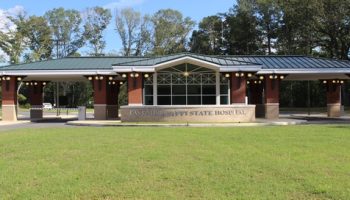
East Mississippi State Hospital Chemical Dependency Unit |
North Park Drive Meridian, MS 39305 |
Detox Service Setting
Hospital Detox
|
Levels Of Care
Inpatient
|
|
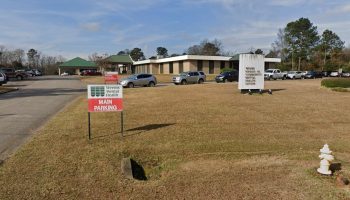
Weems Community Mental Health Center Lauderdale County |
1415 College Drive Meridian, MS 39307 |
Detox Service Setting
Inpatient DetoxOutpatient Detox
|
Levels Of Care
InpatientOutpatientDual Diagnosis+1
|
|
Alliance Health Center |
5000 Mississippi 39 Meridian, MS 39301 |
Detox Service Setting
Hospital DetoxInpatient DetoxOutpatient Detox
|
Levels Of Care
InpatientOutpatientPHP
|

|
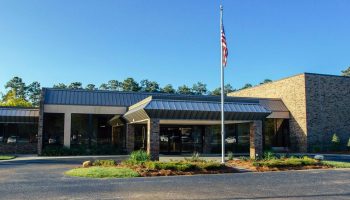
Covington Behavioral Health Hospital |
201 Greenbriar Boulevard Covington, LA 70433 |
Detox Service Setting
Inpatient DetoxOutpatient DetoxHospital Detox
|
Levels Of Care
InpatientOutpatientAftercare+3
|
|
Mobile sits at the intersection of a historically high opioid prescribing rate and an active public health response. Drug and alcohol detox facilities in Mobile operate under a layered oversight system, and several recent local initiatives have expanded both treatment access and overdose prevention.
If you are searching for a detox program, understanding how to choose a detox center can help you ask the right questions about medical supervision, substance-specific care and what level of care fits your situation.
Detox and substance use disorder treatment facilities in Mobile County are regulated at the state level by the Alabama Department of Mental Health (ADMH), which certifies and oversees both residential and outpatient treatment programs statewide.
The Substance Abuse and Mental Health Services Administration (SAMHSA) sets federal standards for any program that dispenses methadone as part of opioid use disorder treatment. Mobile County Health Department (MCHD) functions as the local public health authority, running an Overdose Prevention Program that links high-risk individuals to treatment and coordinates closely with hospital emergency departments.
Mobile County significantly exceeds the national average for opioid prescriptions per capita, a pattern that has contributed to persistent substance use challenges in the region. In response, the City of Mobile allocated $2.2 million in opioid settlement funds to 16 local organizations in 2024, directing money toward drug court expansion, naloxone distribution and recovery support services.
In August 2025, the Helios Alliance and the City of Mobile launched Project Persevere, a stigma-reduction and resource-awareness campaign coordinating 16 local organizations to connect people to treatment. Co-occurring mental health and substance use treatment is available in Mobile County through ADMH-certified providers.
The cost of detox in Mobile depends on the level of medical supervision required, the substances involved and whether care is delivered in an inpatient, residential or outpatient setting. Alabama Medicaid typically covers detox with no copay for eligible residents.
Most private insurers operating in the state are required under the Affordable Care Act to cover substance use disorder treatment on the same terms as other medical services. Understanding your insurance benefits before choosing a facility is important, and paying with health insurance explains how to verify coverage and what to ask your plan before admission.
Costs vary by setting and duration. Mobile-specific pricing data is limited, but the figures below reflect Alabama and regional estimates. Factors that increase cost include the length of stay, the severity of withdrawal symptoms, the need for 24-hour medical monitoring and the use of prescription medications. Many facilities in Mobile offer sliding-scale fees, accept SAMHSA block grant funding or serve patients funded through Alabama’s opioid settlement grant program.
Medicare covers medically necessary detox and substance use disorder treatment for Mobile residents. Part A helps pay for inpatient hospital detox, while Part B covers outpatient services and opioid treatment program (OTP) care, including methadone and buprenorphine. Part D plans cover prescription medications used in treatment. Copays and deductibles vary depending on whether you have Original Medicare or a Medicare Advantage plan.
Alabama Medicaid, administered through the Alabama Medicaid Agency, covers detox, residential treatment, outpatient care and medication-assisted treatment. The program operates through two managed care networks: the Alabama Coordinated Health Network (ACHN) and UnitedHealthcare Community Plan.
Both networks require prior authorization for most residential admissions, so verifying approval before entering a facility is important. Alabama Medicaid typically covers addiction treatment with no copay for eligible enrollees.
Beyond private insurance and Medicaid, Mobile residents have several additional ways to cover the cost of detox:

SAMHSA substance use block grants are channeled through the Alabama Department of Mental Health (ADMH) to support publicly funded treatment slots at certified providers.
The City of Mobile and Mobile County distribute opioid settlement grant funds to local organizations, some of which provide treatment access and recovery support at low or no cost.
Many Mobile facilities offer sliding-scale fees, and nonprofit and faith-based residential programs provide low-cost care for uninsured or underinsured residents.
Three primary authorities govern detox and substance use disorder treatment in Mobile.
ADMH is the state agency responsible for licensing, certifying and overseeing all public and publicly funded SUD treatment providers in Alabama, including withdrawal management (detox), residential treatment, outpatient programs, intensive outpatient programs and certified MAT providers.
ADMH certifies opioid treatment programs (OTPs) and monitors compliance with clinical staffing and care standards. Mobile County is one of ten Alabama counties where ADMH-certified co-occurring disorder treatment programs are available.
SAMHSA sets and enforces federal standards for any opioid treatment program that dispenses methadone, under 42 CFR Part 8. Programs must be certified by SAMHSA and accredited by an approved accreditation body. Alabama has 21 SAMHSA-certified OTPs statewide, including programs in Mobile County.
MCHD serves as the local public health authority for Mobile County. Through its Overdose Prevention Program and Project THRIVE partnership, MCHD links people identified as at risk for overdose to treatment and community resources, coordinates with hospital emergency departments and distributes naloxone. MCHD is also a key local node for Alabama’s statewide harm reduction and naloxone access initiatives.
Medication-assisted treatment in Mobile is available at certified OTPs and through office-based clinicians, following both SAMHSA federal standards and ADMH state certification requirements. Counseling and behavioral support are expected components of any MAT program.
Available from office-based physicians with appropriate DEA registration and at certified OTPs in Mobile County. The 2023 Consolidated Appropriations Act eliminated the federal waiver requirement for prescribing buprenorphine, making it more accessible through primary care and telehealth settings.
Restricted to SAMHSA-certified OTPs and cannot be dispensed by standard pharmacies for opioid use disorder treatment. Mobile Metro Treatment Center (New Season) is a certified OTP in Mobile offering daily methadone dosing alongside counseling services.
Available from any licensed physician and requires no specialized facility certification. The injectable form (Vivitrol) is particularly used in programs that serve people involved in the legal system and is covered by Alabama Medicaid.
Mobile County has seen meaningful growth in harm reduction infrastructure over the past two years, combining local public health programs with statewide naloxone access initiatives. Fentanyl-involved overdoses continue to pose an acute risk, and for people who are not yet ready for formal treatment, the resources below can reduce that risk and provide a bridge toward care. Understanding the risks of fentanyl exposure is relevant for anyone using or supporting someone who uses opioids in the current supply environment.
MCHD’s Overdose Prevention Program assesses people referred from emergency departments and community partners and connects them with treatment resources. MCHD also participates in Alabama’s statewide naloxone distribution effort and operates harm-reduction kiosks in accessible community locations throughout Mobile.
Alabama’s Narcan mail-order program allows Mobile County residents to receive overdose reversal medication without visiting a clinic or pharmacy. The program is accessible statewide and requires only a short online training module to complete a request.
Under Alabama’s standing order, any resident can walk into a major pharmacy and obtain naloxone without a personal prescription. This policy significantly reduces barriers for people who may not have a primary care provider or who need urgent access. Alabama Department of Public Health issues the standing order.
Launched in August 2025 by the Helios Alliance in partnership with the City of Mobile and Mobile County, Project Persevere coordinates 16 funded organizations to reduce stigma surrounding opioid use disorder and improve community awareness of local recovery resources. The initiative centers the experiences of people with lived experience of addiction.
Overdose trends in Mobile and across Alabama reflect a crisis that has improved in some measures but remains a serious public health concern. Fentanyl contamination of the local drug supply continues to drive risk for people using any illicit substance.
Emergency medical services responded to approximately 200 overdose calls in Mobile and Baldwin Counties in 2024, according to local EMS data reported by WKRG News 5, 2025.
In 2024, fentanyl and other synthetic opioids were involved in 61% of all drug overdose deaths in Alabama, according to CDC mortality data. Source: USAFacts, citing CDC, 2024.
Alabama recorded 14,663 overdose cases requiring an emergency department visit in 2023, an average of 1,221 per month, with approximately 1 in 10 resulting in a confirmed fatality. Source: 2024 Alabama Opioid Overdose and Addiction Council Annual Report.
Yes. Alabama Medicaid covers withdrawal management (detox), residential treatment, outpatient programs and medication-assisted treatment. Coverage is available through the Alabama Coordinated Health Network (ACHN) or UnitedHealthcare Community Plan with typically no copay. Most residential programs require prior authorization, so contact your managed care plan before admission.
Mobile has both inpatient and outpatient detox options. Inpatient detox programs provide 24-hour medical monitoring and are appropriate for people withdrawing from alcohol, benzodiazepines or opioids with complex medical histories. Outpatient programs offer scheduled clinical check-ins and are generally suitable for people with milder withdrawal risks and strong home support systems.
The duration depends on the substance, the severity of dependence and the individual’s overall health. Alcohol and benzodiazepine detox typically requires 5 to 10 days of medically supervised care. Opioid detox with medication-assisted treatment can range from several days to weeks depending on the medication protocol and clinical response. Your treatment team will develop a plan based on your specific situation.
Yes, several pathways exist for uninsured or low-income residents. Alabama Medicaid may cover eligible individuals with no or very low income. SAMHSA block grant funds distributed through ADMH support publicly funded treatment slots at certified providers. The City of Mobile’s opioid settlement grant program has also funded organizations providing treatment access and recovery support at low or no cost.
Detox addresses physical withdrawal but is not treatment for addiction by itself. Most clinical guidelines recommend transitioning to a structured treatment program after detox, such as residential rehab, an intensive outpatient program (IOP) or an ongoing MAT regimen with counseling. Your detox provider should work with you on a discharge plan that includes a referral to the next level of care.
Yes, ADMH-certified co-occurring disorder treatment programs, which address both substance use and mental health conditions simultaneously, are available in Mobile County. Gender-specific residential treatment is also available in the area through faith-based and nonprofit providers. Ask any facility directly about specialized populations they serve before beginning an admission process.


Gayle Morris, BSN, MSN, received her bachelor’s degree from the University of Illinois Chicago Medical Center and her first master’s degree from Indiana University Purdue University Indianapolis. She practiced nursing for more than two decades with a focus on pediatric physical rehabilitation, helping children and their parents after a head injury or spinal cord injury. She has been a freelance writer in health, wellness, and mental health for more than 15 years. She loves exercise, her dogs and guinea pigs, and gardening.