800-262-4205
O Brien House

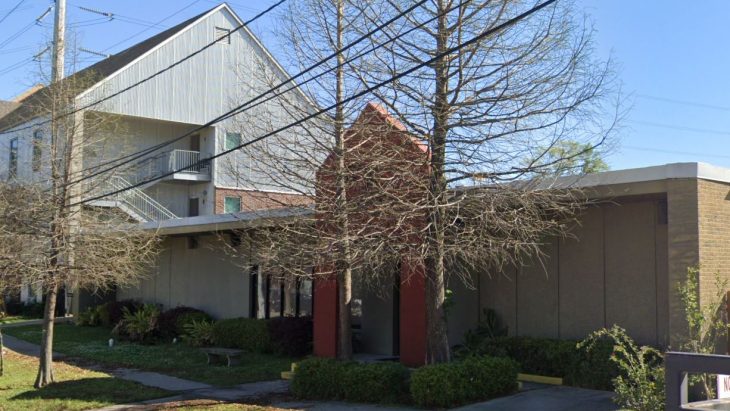
About O Brien House
O’Brien House is a nonprofit addiction treatment center in Baton Rouge, Louisiana, serving individuals and families affected by alcoholism and drug abuse since 1971. The CARF accredited organization offers residential treatment, intensive outpatient and traditional outpatient programs and adult substance education services.
Clients value the structured work programs, supportive staff and the welcoming environment for people from all backgrounds, including those experiencing homelessness. If you require detox or MAT services, they can offer a referral to a local facility.
What Addiction Treatment Programs Does O’Brien House Offer?
O’Brien House provides a comprehensive three month residential program with multiple phases that include individual and group counseling based on ASAM criteria. They also offer intensive outpatient and traditional outpatient treatment with evening classes so clients can continue working. The Adult Substance Education Program supports the East Baton Rouge Parish DWI Diversion Program with orientation each Monday.
Who Can Get Help at O’Brien House?
The center serves adult men and women, including transitional age young adults, pregnant and postpartum women and veterans. O’Brien House welcomes individuals experiencing homelessness or financial hardship and provides treatment for co-occurring mental health and substance use disorders and clients involved in the criminal justice system.
O’Brien House accepts Medicaid plans including Amerigroup, Ameri Health, Aetna, United Health Care and Louisiana Health Care. They also accept cash or self payment, state financed insurance, Access to Recovery vouchers and SAMHSA block grants with sliding scale and payment assistance available for eligible individuals.
| Levels of Care | Detox Service Setting | Programs | Payment Options | |||||
|---|---|---|---|---|---|---|---|---|
|
Inpatient and residential programs provide round-the-clock medical and emotional support as you live at the treatment facility. This level of care may be recommended if you have severe addictions or mental health conditions since it removes outside distractions and allows you to focus solely on therapy. |
In outpatient therapy, you’ll attend therapy sessions several times each week while living at home. This is ideal if you have a strong support system and a lower risk of relapse. Outpatient treatment offers flexibility to maintain work, school or family obligations. |
Sober living homes provide a supportive and substance free environment for you to live in as you overcome your addiction. Residents must follow house rules and support each other’s recovery journeys. Sober living fosters accountability and stability during this critical phase of recovery. |
||||||
|
Inpatient detox occurs in a dedicated treatment facility. You’ll live there around the clock and receive intensive medical support and supervision to help manage your withdrawal symptoms. It is suitable for individuals with moderate to severe addictions as it ensures a stable detox environment. |
Outpatient detox gives you access to medically supervised withdrawal services while still allowing you to live at home. You’ll attend a clinic for treatment and monitoring. This flexible option is suitable for those with mild to moderate withdrawal symptoms who have strong support systems. |
|||||||
|
Adult programs address the substance use and life challenges specific to adults. Therapists can deliver sessions in individual, group and family settings. Services often include job support and life skills training in a structured environment.
|
Alcohol detox programs offer medical support to help individuals withdraw safely from alcohol. Your care team may use medications to ease your symptoms and provide medical monitoring to address complications.
|
Cognitive behavioral therapy focuses on changing harmful thought patterns and behaviors associated with addiction. You’ll learn healthier coping mechanisms by identifying and replacing negative thoughts. This improves your emotional resilience and decreases your relapse potential.
|
Drug detox programs support individuals who are withdrawing from addictive substances like cocaine and heroin. Medical support helps you manage symptoms in a controlled and safe environment so you can achieve initial sobriety.
|
Men's programs address substance use while also considering the social pressures, family roles and mental health concerns that are specific to men. You’ll learn healthy coping mechanisms as you build emotional resilience and develop communication skills.
|
Military and veteran programs offer specialized support for clients who served in the armed services. Programs focus on reintegration and healing within a structured and supportive environment that acknowledges the unique struggles of military life.
|
Rational behavior therapy helps you identify irrational beliefs that contribute to an addiction. Challenging and modifying those beliefs helps you develop healthier attitudes and behaviors. This therapy supports long term sobriety and sustainable recovery.
|
Women's programs offer a safe and supportive space to focus on gender specific issues such as trauma, family roles and mental health conditions. Therapists tailor the sessions to address women's needs and foster empowerment in a healing and nurturing environment.
|
Young adult programs are designed for individuals who are transitioning into adulthood. Topics of discussion typically include identity, independence and peer relationships. Providers may also offer life skills training and career support.
|
|
Free
|
Medicaid
|
Private Insurance
|
Self Pay
|
Levels of Care
Inpatient and residential programs provide round-the-clock medical and emotional support as you live at the treatment facility. This level of care may be recommended if you have severe addictions or mental health conditions since it removes outside distractions and allows you to focus solely on therapy.
In outpatient therapy, you’ll attend therapy sessions several times each week while living at home. This is ideal if you have a strong support system and a lower risk of relapse. Outpatient treatment offers flexibility to maintain work, school or family obligations.
Sober living homes provide a supportive and substance free environment for you to live in as you overcome your addiction. Residents must follow house rules and support each other’s recovery journeys. Sober living fosters accountability and stability during this critical phase of recovery.
Detox Service Setting
Inpatient detox occurs in a dedicated treatment facility. You’ll live there around the clock and receive intensive medical support and supervision to help manage your withdrawal symptoms. It is suitable for individuals with moderate to severe addictions as it ensures a stable detox environment.
Outpatient detox gives you access to medically supervised withdrawal services while still allowing you to live at home. You’ll attend a clinic for treatment and monitoring. This flexible option is suitable for those with mild to moderate withdrawal symptoms who have strong support systems.
Programs
Amenities
Accepted Insurance

Contact



Gayle Morris, BSN, MSN, received her bachelor’s degree from the University of Illinois Chicago Medical Center and her first master’s degree from Indiana University Purdue University Indianapolis. She practiced nursing for more than two decades with a focus on pediatric physical rehabilitation, helping children and their parents after a head injury or spinal cord injury. She has been a freelance writer in health, wellness, and mental health for more than 15 years. She loves exercise, her dogs and guinea pigs, and gardening.
Detox.com regularly reviews this listing for accuracy but changes may occur between updates. For the most up-to-date information, please contact O Brien House.