800-671-4304
Prisma Health Richland Springs Hospital
About Prisma Health Richland Springs Hospital
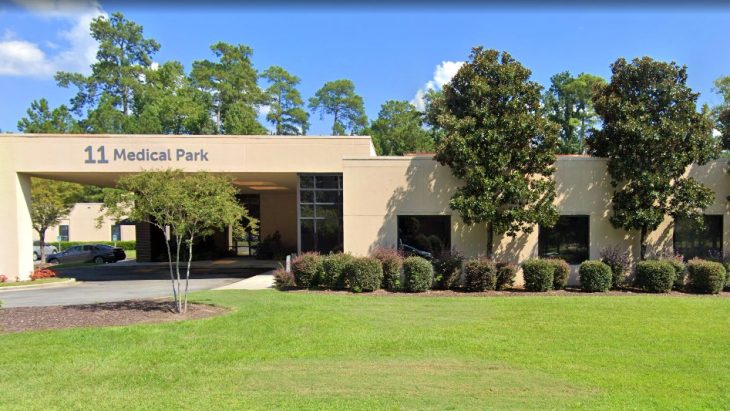
Prisma Health Richland Springs Hospital is a psychiatric hospital in Columbia, South Carolina. The 26 bed behavioral health facility is located on the north side of downtown Columbia and close to restaurants and parks. They are part of Prisma Health’s larger campus, specifically designed for adults who experience behavioral health and substance use issues.
Large Nonprofit Behavioral Health Program
Prisma Health provides a wide array of addiction and psychiatric services as one of the largest behavioral health programs in the state. They are a private nonprofit company that offers compassionate and affordable services. Prisma offers crisis stabilization at locations with emergency room services. Whether you’re experiencing a mental health or chemical dependency crisis, their compassionate team can help.
Outpatient Services Address Mental Health Issues
At this location, they provide mental health services for individuals who experience challenges with depression. This helps clients develop a greater connection with loved ones and learn how thoughts and feelings affect habits and behaviors.
They utilize a range of evidence based therapies, medications and lifestyle changes to create a personalized treatment plan. This includes electroconvulsive therapy and transcranial magnetic stimulation when traditional therapy and medication have not provided relief from depression symptoms.
They also offer ketamine infusions as an alternative treatment for depression. The medication has been in use since the 1970s in anesthesia but it wasn’t till the 1990s that researchers found it could have a positive impact on mood disorders. Ketamine might be recommended when depression symptoms are severe and resistant to other treatments, with some people experiencing improvement within hours of receiving an infusion.
| Levels of Care | Detox Service Setting | Programs | Payment Options | ||
|---|---|---|---|---|---|
|
Inpatient and residential programs provide round-the-clock medical and emotional support as you live at the treatment facility. This level of care may be recommended if you have severe addictions or mental health conditions since it removes outside distractions and allows you to focus solely on therapy. |
Dual diagnosis programs address substance use disorders and co-occurring mental health conditions simultaneously. This integrated approach to care improves the likelihood of long term recovery and stability by addressing the root causes of addiction. |
||||
|
Inpatient detox occurs in a dedicated treatment facility. You’ll live there around the clock and receive intensive medical support and supervision to help manage your withdrawal symptoms. It is suitable for individuals with moderate to severe addictions as it ensures a stable detox environment. |
|||||
|
Adult programs address the substance use and life challenges specific to adults. Therapists can deliver sessions in individual, group and family settings. Services often include job support and life skills training in a structured environment. |
Cognitive behavioral therapy focuses on changing harmful thought patterns and behaviors associated with addiction. You’ll learn healthier coping mechanisms by identifying and replacing negative thoughts. This improves your emotional resilience and decreases your relapse potential. |
Men's programs address substance use while also considering the social pressures, family roles and mental health concerns that are specific to men. You’ll learn healthy coping mechanisms as you build emotional resilience and develop communication skills. |
Senior programs address the unique needs of older adults like chronic pain, grief and isolation. Programs include peer support and medical oversight for age related health concerns. The goal is to improve quality of life and promote sober aging. |
Women's programs offer a safe and supportive space to focus on gender specific issues such as trauma, family roles and mental health conditions. Therapists tailor the sessions to address women's needs and foster empowerment in a healing and nurturing environment. |
Young adult programs are designed for individuals who are transitioning into adulthood. Topics of discussion typically include identity, independence and peer relationships. Providers may also offer life skills training and career support. |
|
Payment Assistance
|
Medicaid
|
Medicare
|
Military Insurance
|
Private Insurance
|
Self Pay
|
Levels of Care
Inpatient and residential programs provide round-the-clock medical and emotional support as you live at the treatment facility. This level of care may be recommended if you have severe addictions or mental health conditions since it removes outside distractions and allows you to focus solely on therapy.
Dual diagnosis programs address substance use disorders and co-occurring mental health conditions simultaneously. This integrated approach to care improves the likelihood of long term recovery and stability by addressing the root causes of addiction.
Detox Service Setting
Inpatient detox occurs in a dedicated treatment facility. You’ll live there around the clock and receive intensive medical support and supervision to help manage your withdrawal symptoms. It is suitable for individuals with moderate to severe addictions as it ensures a stable detox environment.
Programs
Adult programs address the substance use and life challenges specific to adults. Therapists can deliver sessions in individual, group and family settings. Services often include job support and life skills training in a structured environment.
Cognitive behavioral therapy focuses on changing harmful thought patterns and behaviors associated with addiction. You’ll learn healthier coping mechanisms by identifying and replacing negative thoughts. This improves your emotional resilience and decreases your relapse potential.
Men's programs address substance use while also considering the social pressures, family roles and mental health concerns that are specific to men. You’ll learn healthy coping mechanisms as you build emotional resilience and develop communication skills.
Senior programs address the unique needs of older adults like chronic pain, grief and isolation. Programs include peer support and medical oversight for age related health concerns. The goal is to improve quality of life and promote sober aging.
Women's programs offer a safe and supportive space to focus on gender specific issues such as trauma, family roles and mental health conditions. Therapists tailor the sessions to address women's needs and foster empowerment in a healing and nurturing environment.
Young adult programs are designed for individuals who are transitioning into adulthood. Topics of discussion typically include identity, independence and peer relationships. Providers may also offer life skills training and career support.
Amenities
Accreditations

Contact



Gayle Morris, BSN, MSN, received her bachelor’s from the University of Illinois Chicago Medical Center and her first master’s from the Indiana University Purdue University Indianapolis. She practiced nursing for over two decades with a focus on pediatric physical rehabilitation, which required mental health skills to help children, and their parents work through new challenges after a head injury or spinal cord injury. She has been a freelance writer in health, wellness, and mental health for over 15 years. She loves exercise, her dogs and guinea pigs, and gardening.

Courtney Myers writes and edits professionally from her home in North Carolina. She holds an MS in Technical Communication from N.C. State University and has worked in proposal management, marketing, and online content creation. She specializes in creating resources related to behavioral health and addiction recovery.