800-262-4205
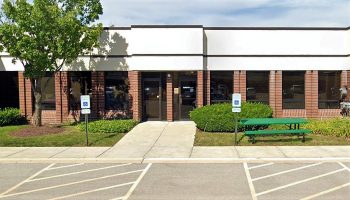
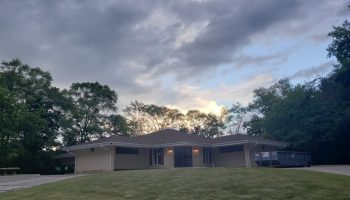
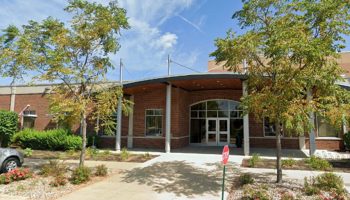
PCC Walk-In Wellness Center at West Suburban Medical Center

About PCC Walk-In Wellness Center at West Suburban Medical Center
PCC Walk-In Wellness Center at West Suburban Medical Center offered substance use treatment in Oak Park, Illinois that included low barrier walk-in access to addiction care for adults.
This location served as a site for initial medication induction and evaluations for opioid and other substance use, with counseling and ongoing care available through the broader PCC Community Wellness Center network.
PCC services have been relocated as this location is closed.
What kinds of addiction treatment are offered?
This location has provided outpatient, walk-in evaluations and initial medication induction for new patients that included medication-assisted treatment options such as buprenorphine, Suboxone and Vivitrol.
Medications helped provide comfort for guests by reducing drug cravings and lessening withdrawal symptoms.
Counseling and ongoing care can continue through another PCC health center once services are established.
Who can get help here?
PCC supported adults seeking help with heroin, prescription pain pills, alcohol, cigarettes and other substances, with a focus on opioid use disorder.
They also offered care for pregnant patients with substance use disorders who could also receive medication support through PCC’s services.
What about insurance and payment?
PCC accepted Medicaid, Medicare, and most private insurance plans. There was also a discount plan for underinsured clients.
| Levels of Care | Detox Service Setting | Programs | Payment Options | |
|---|---|---|---|---|
|
Inpatient and residential programs provide round-the-clock medical and emotional support as you live at the treatment facility. This level of care may be recommended if you have severe addictions or mental health conditions, since it removes outside distractions and allows you to focus solely on therapy. |
In outpatient therapy, you’ll attend therapy sessions several times each week while living at home. This is ideal if you have a strong support system and a lower risk of relapse. Outpatient treatment offers flexibility to maintain work, school, or family obligations. |
Partial hospitalization programs provide comprehensive treatment in a structured setting during the day but allow you to return home at night. These programs offer a balance of inpatient and outpatient rehab and provide intensive support without full-time residency. |
Aftercare programs provide ongoing support once you complete a rehab program. They may include several components to help you maintain sobriety, including therapy, community support groups, and relapse prevention strategies. This gives you a network of resources as you reintegrate into daily life. |
|
|
Inpatient detox occurs in a dedicated treatment facility. You’ll live there around the clock and receive intensive medical support and supervision to help manage your withdrawal symptoms. It is suitable for individuals with moderate to severe addictions as it ensures a stable detox environment. |
Outpatient detox gives you access to medically supervised withdrawal services while you to live at home. You’ll attend a clinic for treatment and monitoring. This flexible option is suitable for those with mild to moderate withdrawal symptoms who have strong support systems. |
Medication-assisted treatment combines medication and counseling to manage withdrawal and reduce cravings for opioid and alcohol addiction. Medications may include methadone, buprenorphine, or naltrexone. MAT is tailored to your needs so you can actively participate in your treatment journey. |
||
|
Adult programs address the substance use and life challenges specific to adults. Therapists can deliver sessions in individual, group and family settings. Services often include job support and life skills training in a structured environment.
|
Cognitive behavioral therapy focuses on changing harmful thought patterns and behaviors associated with addiction. You’ll learn healthier coping mechanisms by identifying and replacing negative thoughts. This improves your emotional resilience and decreases your relapse potential.
|
|||
|
Payment Assistance
|
Medicaid
|
Medicare
|
Self Pay
|
Sliding Scale Payment
|
Levels of Care
Inpatient and residential programs provide round-the-clock medical and emotional support as you live at the treatment facility. This level of care may be recommended if you have severe addictions or mental health conditions, since it removes outside distractions and allows you to focus solely on therapy.
In outpatient therapy, you’ll attend therapy sessions several times each week while living at home. This is ideal if you have a strong support system and a lower risk of relapse. Outpatient treatment offers flexibility to maintain work, school, or family obligations.
Partial hospitalization programs provide comprehensive treatment in a structured setting during the day but allow you to return home at night. These programs offer a balance of inpatient and outpatient rehab and provide intensive support without full-time residency.
Aftercare programs provide ongoing support once you complete a rehab program. They may include several components to help you maintain sobriety, including therapy, community support groups, and relapse prevention strategies. This gives you a network of resources as you reintegrate into daily life.
Detox Service Setting
Inpatient detox occurs in a dedicated treatment facility. You’ll live there around the clock and receive intensive medical support and supervision to help manage your withdrawal symptoms. It is suitable for individuals with moderate to severe addictions as it ensures a stable detox environment.
Outpatient detox gives you access to medically supervised withdrawal services while you to live at home. You’ll attend a clinic for treatment and monitoring. This flexible option is suitable for those with mild to moderate withdrawal symptoms who have strong support systems.
Medication-assisted treatment combines medication and counseling to manage withdrawal and reduce cravings for opioid and alcohol addiction. Medications may include methadone, buprenorphine, or naltrexone. MAT is tailored to your needs so you can actively participate in your treatment journey.
Programs
Accreditations

Accepted Insurance



Contact


- Sunday 9AM - 7PM
- Monday 9AM - 10PM
- Tuesday 9AM - 10PM
- Wednesday 9AM - 10PM
- Thursday 9AM - 10PM
- Friday 9AM - 10PM
- Saturday 9AM - 7PM

Patti Croft has content writing experience in several areas, including health and fitness, cybersecurity, and animal care. She is passionate about mental health and addiction treatment and strives to share information that is enjoyable and accessible. She loves reading, consuming too much coffee, and spending time with her friends and pets.
Detox.com regularly reviews this listing for accuracy but changes may occur between updates. For the most up-to-date information, please contact PCC Walk-In Wellness Center at West Suburban Medical Center.