

 800-262-4205
Recovery Works Merrillville


About Recovery Works Merrillville
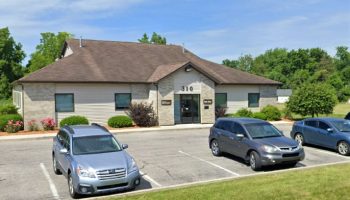
Medically supervised detox is offered at Recovery Works, an inpatient detox center in Merrillville, Indiana. They admit people 18 or older, but they don’t offer outpatient care at this location.
Residential care includes around-the-clock medical support from doctors, nurses, and counselors.
Meth Withdrawal Management
Recovery Works also runs an inpatient Methamphetamine Withdrawal Management program that is supervised by addiction specialists. That program covers the physical effects of withdrawal and the psychological ones. Inpatient supervision means withdrawal symptoms are watched on site as they change.
After Detox in Merrillville
Recovery Works offers partial hospitalization with housing and transitional housing for sober living. That next level of care means the days after detox come with a place to stay which removes fears for many people in recovery needing safe homes.
Plus, you can receive help with transportation and planning support after discharge. The center has private or shared rooms (there’s some access to nature too).
Medication-assisted treatment for opioid use disorder is also available, including Sublocade, Suboxone, and Vivitrol.
They accept Medicaid for every addiction treatment program, and Medicare too. Out-of-network insurance is also accepted, and you can choose self-pay if your plan has no out-of-network coverage.
| Levels of Care | Detox Service Setting | Programs | Payment Options | |||||
|---|---|---|---|---|---|---|---|---|
|
Doctors, nurses and counselors make up the team, and you’ll get medical and emotional support from that team around the clock in a structured setting. |
In outpatient therapy, you’ll attend therapy sessions several times each week while living at home. This is ideal if you have a strong support system and a lower risk of relapse. Outpatient treatment offers flexibility to maintain work, school or family obligations. |
Support doesn’t stop when the program ends. It starts with the first call and keeps going long after treatment, so you can stay connected. |
Dual diagnosis programs address substance use disorders and co-occurring mental health conditions simultaneously. This integrated approach to care improves the likelihood of long term recovery and stability by addressing the root causes of addiction. |
An intervention is a structured and professionally guided conversation with an individual who is struggling with addiction. During the conversation, family and friends will encourage you to seek treatment. This is often a pivotal step for those resistant to getting help. |
Sober living homes provide a supportive and substance free environment for you to live in as you overcome your addiction. Residents must follow house rules and support each other’s recovery journeys. Sober living fosters accountability and stability during this critical phase of recovery. |
|||
|
Inpatient detox occurs in a dedicated treatment facility. You’ll live there around the clock and receive intensive medical support and supervision to help manage your withdrawal symptoms. It is suitable for individuals with moderate to severe addictions as it ensures a stable detox environment. |
Outpatient detox gives you access to medically supervised withdrawal services while still allowing you to live at home. You’ll attend a clinic for treatment and monitoring. This flexible option is suitable for those with mild to moderate withdrawal symptoms who have strong support systems. |
Medication assisted treatment combines medication and counseling to manage withdrawal and reduce cravings for opioid and alcohol addiction. Medications may include methadone, buprenorphine or naltrexone. MAT is tailored to your needs so you can actively participate in your treatment journey. |
||||||
|
Adult programs address the substance use and life challenges specific to adults. Therapists can deliver sessions in individual, group and family settings. Services often include job support and life skills training in a structured environment.
|
Alcohol detox programs offer medical support to help individuals withdraw safely from alcohol. Your care team may use medications to ease your symptoms and provide medical monitoring to address complications.
|
Cognitive behavioral therapy focuses on changing harmful thought patterns and behaviors associated with addiction. You’ll learn healthier coping mechanisms by identifying and replacing negative thoughts. This improves your emotional resilience and decreases your relapse potential.
|
Drug detox at the inpatient program in Merrillville, IN is medically supervised. It sits with the programs at that same inpatient program. |
LGBTQ friendly programs create an inclusive and affirming space for recovery. Treatment is sensitive to issues like discrimination and stigma. You’ll receive support and therapy that respects and acknowledges your unique experiences.
|
Men's programs address substance use while also considering the social pressures, family roles and mental health concerns that are specific to men. You’ll learn healthy coping mechanisms as you build emotional resilience and develop communication skills.
|
Opioid detox uses medications to ease severe withdrawal symptoms. It also includes medical supervision to help you manage potential complications. These services allow you to stabilize and begin a recovery plan.
|
Women's programs offer a safe and supportive space to focus on gender specific issues such as trauma, family roles and mental health conditions. Therapists tailor the sessions to address women's needs and foster empowerment in a healing and nurturing environment.
|
Young adult programs are designed for individuals who are transitioning into adulthood. Topics of discussion typically include identity, independence and peer relationships. Providers may also offer life skills training and career support.
|
|
Military Insurance
|
Private Insurance
|
Self Pay
|
Medicaid
|
Medicare
|
Levels of Care
Doctors, nurses and counselors make up the team, and you’ll get medical and emotional support from that team around the clock in a structured setting.
In outpatient therapy, you’ll attend therapy sessions several times each week while living at home. This is ideal if you have a strong support system and a lower risk of relapse. Outpatient treatment offers flexibility to maintain work, school or family obligations.
Support doesn’t stop when the program ends. It starts with the first call and keeps going long after treatment, so you can stay connected.
Dual diagnosis programs address substance use disorders and co-occurring mental health conditions simultaneously. This integrated approach to care improves the likelihood of long term recovery and stability by addressing the root causes of addiction.
An intervention is a structured and professionally guided conversation with an individual who is struggling with addiction. During the conversation, family and friends will encourage you to seek treatment. This is often a pivotal step for those resistant to getting help.
Sober living homes provide a supportive and substance free environment for you to live in as you overcome your addiction. Residents must follow house rules and support each other’s recovery journeys. Sober living fosters accountability and stability during this critical phase of recovery.
Detox Service Setting
Inpatient detox occurs in a dedicated treatment facility. You’ll live there around the clock and receive intensive medical support and supervision to help manage your withdrawal symptoms. It is suitable for individuals with moderate to severe addictions as it ensures a stable detox environment.
Outpatient detox gives you access to medically supervised withdrawal services while still allowing you to live at home. You’ll attend a clinic for treatment and monitoring. This flexible option is suitable for those with mild to moderate withdrawal symptoms who have strong support systems.
Medication assisted treatment combines medication and counseling to manage withdrawal and reduce cravings for opioid and alcohol addiction. Medications may include methadone, buprenorphine or naltrexone. MAT is tailored to your needs so you can actively participate in your treatment journey.
Programs
Drug detox at the inpatient program in Merrillville, IN is medically supervised. It sits with the programs at that same inpatient program.
Amenities
Accreditations


Accepted Insurance


Contact



Patti Croft has content writing experience in several areas, including health and fitness, cybersecurity, and animal care. She is passionate about mental health and addiction treatment and strives to share information that is enjoyable and accessible. She loves reading, consuming too much coffee, and spending time with her friends and pets.
Detox.com regularly reviews this listing for accuracy but changes may occur between updates. For the most up-to-date information, please contact Recovery Works Merrillville.
Nearby Detox Centers
Search by Indiana Cities
FAQs
What medications can treatment include at Recovery Works?
Sublocade can be part of treatment here. So can Suboxone. Subutex and Vivitrol are on hand as well. The linked page covers medication assisted detox.
Who can be admitted to Recovery Works Merrillville?
You have to be 18 or older. That’s the age rule for the inpatient program in Merrillville, Indiana. Plan on that minimum for a stay there.