

 800-671-4304
Porter Starke Services
About Porter Starke Services
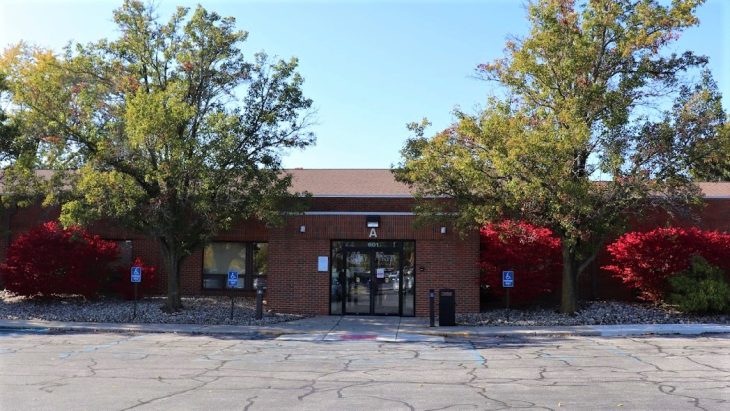
The Valparaiso Campus of Porter Starke Services provides addiction treatment in Valparaiso, Indiana. The organization is licensed by the Indiana Division of Mental Health and Addictions, as well as the Indiana Family and Social Services Administration.
If you’re seeking treatment, they accept Medicare and Medicaid. If they don’t accept your insurance or you’re uninsured, you will still be able to receive treatment via self pay. You may also qualify for the sliding fee scale depending on your household size and income.
Their opiate replacement treatment program combines medication assisted treatment (MAT) and counseling. You must be 18 years of age or older to participate in this program. I like that it is operated under the supervision of the medical directors and the program directors. Depending on your personalized treatment plan you may be given either methadone or Suboxone.
Their Valparaiso Campus is also pretty close to a nature walk and a short maze. This labyrinth is free and open to the public and encourages you to clear your mind as you walk. It’s an easy therapeutic approach to get exercise and unwind. As you complete the maze, you can think about how you’re leaving your worries behind.
They do provide a housing option for women. The women’s recovery home is for women who are living with a chronic addiction. I like that this program is available so that women are able to get the help they need, from the supportive program, but also live in a safe environment. Living in a safe environment allows you to focus on your long term recovery journey.
Their housing and MAT programs are part of their larger community effort. I like how they have a foundation that provides scholarships to students who have overcome hardships in their mental health and are now going to earn their degrees. They also sponsor events to spread awareness, like fundraisers, marathons, and holiday-themed get-togethers. These programs raise money for their mental health programs while building a grassroots health network among your neighbors and loved ones.
| Levels of Care | Detox Service Setting | Programs | Payment Options | |||
|---|---|---|---|---|---|---|
|
In outpatient therapy, you’ll attend therapy sessions several times each week while living at home. This is ideal if you have a strong support system and a lower risk of relapse. Outpatient treatment offers flexibility to maintain work, school or family obligations. |
Dual diagnosis programs address substance use disorders and co-occurring mental health conditions simultaneously. This integrated approach to care improves the likelihood of long term recovery and stability by addressing the root causes of addiction. |
|||||
|
Outpatient detox gives you access to medically supervised withdrawal services while still allowing you to live at home. You’ll attend a clinic for treatment and monitoring. This flexible option is suitable for those with mild to moderate withdrawal symptoms who have strong support systems. |
||||||
|
Adult programs address the substance use and life challenges specific to adults. Therapists can deliver sessions in individual, group and family settings. Services often include job support and life skills training in a structured environment. |
Alcohol detox programs offer medical support to help individuals withdraw safely from alcohol. Your care team may use medications to ease your symptoms and provide medical monitoring to address complications. |
Cognitive behavioral therapy focuses on changing harmful thought patterns and behaviors associated with addiction. You’ll learn healthier coping mechanisms by identifying and replacing negative thoughts. This improves your emotional resilience and decreases your relapse potential. |
Men's programs address substance use while also considering the social pressures, family roles and mental health concerns that are specific to men. You’ll learn healthy coping mechanisms as you build emotional resilience and develop communication skills. |
Senior programs address the unique needs of older adults like chronic pain, grief and isolation. Programs include peer support and medical oversight for age related health concerns. The goal is to improve quality of life and promote sober aging. |
Women's programs offer a safe and supportive space to focus on gender specific issues such as trauma, family roles and mental health conditions. Therapists tailor the sessions to address women's needs and foster empowerment in a healing and nurturing environment. |
Young adult programs are designed for individuals who are transitioning into adulthood. Topics of discussion typically include identity, independence and peer relationships. Providers may also offer life skills training and career support. |
|
Medicaid
|
Medicare
|
Military Insurance
|
Private Insurance
|
Self Pay
|
Levels of Care
In outpatient therapy, you’ll attend therapy sessions several times each week while living at home. This is ideal if you have a strong support system and a lower risk of relapse. Outpatient treatment offers flexibility to maintain work, school or family obligations.
Dual diagnosis programs address substance use disorders and co-occurring mental health conditions simultaneously. This integrated approach to care improves the likelihood of long term recovery and stability by addressing the root causes of addiction.
Detox Service Setting
Outpatient detox gives you access to medically supervised withdrawal services while still allowing you to live at home. You’ll attend a clinic for treatment and monitoring. This flexible option is suitable for those with mild to moderate withdrawal symptoms who have strong support systems.
Programs
Adult programs address the substance use and life challenges specific to adults. Therapists can deliver sessions in individual, group and family settings. Services often include job support and life skills training in a structured environment.
Alcohol detox programs offer medical support to help individuals withdraw safely from alcohol. Your care team may use medications to ease your symptoms and provide medical monitoring to address complications.
Cognitive behavioral therapy focuses on changing harmful thought patterns and behaviors associated with addiction. You’ll learn healthier coping mechanisms by identifying and replacing negative thoughts. This improves your emotional resilience and decreases your relapse potential.
Men's programs address substance use while also considering the social pressures, family roles and mental health concerns that are specific to men. You’ll learn healthy coping mechanisms as you build emotional resilience and develop communication skills.
Senior programs address the unique needs of older adults like chronic pain, grief and isolation. Programs include peer support and medical oversight for age related health concerns. The goal is to improve quality of life and promote sober aging.
Women's programs offer a safe and supportive space to focus on gender specific issues such as trauma, family roles and mental health conditions. Therapists tailor the sessions to address women's needs and foster empowerment in a healing and nurturing environment.
Young adult programs are designed for individuals who are transitioning into adulthood. Topics of discussion typically include identity, independence and peer relationships. Providers may also offer life skills training and career support.
Accreditations

Contact


- Monday 8AM - 8PM
- Tuesday 8AM - 8PM
- Wednesday 8AM - 8PM
- Thursday 8AM - 8PM
- Friday 8AM - 5PM

Jenise Alvarez received her Pre-Law degree in South Florida. She was born and raised in South Florida but now resides in metro Atlanta with her family. She is married with two children, a dog and a cat. She stays pretty busy running around after her little ones and making sure the animals stay out of trouble.

Peter W.Y. Lee is a historian with a focus in American Cold War culture. He has examined how popular culture has served as a coping mechanism for the challenges and changes impacting American society throughout the twentieth century.
Nearby Detox Centers

Search by Indiana Cities
FAQs
What detox programs does Porter Starke Services offer in Valparaiso?
Porter Starke Services provides comprehensive detoxification and withdrawal management services. The facility offers medical supervision during the detox process to help individuals safely manage withdrawal symptoms from alcohol, opioids, and other substances. Clients can contact the center directly to discuss which detox program best fits their specific needs and situation.
Is medical detox available with 24/7 monitoring at Porter Starke?
Porter Starke Services offers medically supervised detoxification with clinical oversight throughout the withdrawal process. Medical staff monitor clients to manage withdrawal symptoms and provide medications as needed to support comfort and safety. The facility’s medical team works to ensure each person receives appropriate care based on their individual detox needs.
How does the admission process work at Porter Starke Services?
Individuals seeking detox at Porter Starke Services in Valparaiso, Indiana can reach out to the facility to begin the intake process. During initial contact, the clinical team conducts an assessment to understand the person’s substance use history, medical background, and detox needs. This information helps determine the appropriate level of care and admission timeline.
What happens after detox at Porter Starke Services?
Porter Starke Services provides transition planning and referrals following detoxification. The facility helps connect individuals to ongoing treatment and recovery support services to support long-term recovery goals. Staff work with each person to identify next-step care options appropriate to their needs.