

 800-262-4205
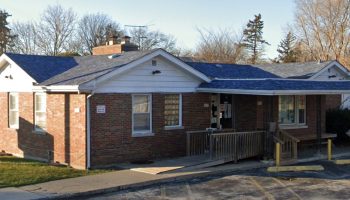
Sinnissippi Centers Sterling Office

About Sinnissippi Centers Sterling Office
Sinnissippi Centers is a behavioral healthcare center in Sterling, Illinois. Substance use care includes intensive outpatient treatment, with a daytime option and an evening option.
If you live in Whiteside, Carroll, Lee or Ogle counties, they’ve served that part of Illinois since 1966.
They offer remote interpreting by audio or video, and Spanish, their most common language, is available on demand.
Buprenorphine and Naltrexone in Sterling
Sinnissippi uses buprenorphine and naltrexone, medications for opioid use disorder, during detox and also during treatment.
The center offers Medication Assisted Recovery as part of substance use care, along with individual and group continuing care.
You’ll pay on a sliding scale based on family size and income, and they accept insurance, including Medicare, Medicaid, All Kids and military insurance, plus Federal or government funding.
Sinnissippi Recovery Homes are in Dixon and Amboy.
| Levels of Care | Detox Service Setting | Programs | Payment Options | |||
|---|---|---|---|---|---|---|
|
The outpatient side includes a day and evening intensive program, individual counseling for substance use, family education, DUI evaluations and continuing care. |
Aftercare programs provide ongoing support once you complete a rehab program. They may include several components to help you maintain sobriety, including therapy, community support groups, and relapse prevention strategies. This gives you a network of resources as you reintegrate into daily life. |
Dual diagnosis means mental health and substance use get treated together here as dual diagnosis services. |
An intervention is a structured and professionally guided conversation with an individual who is struggling with addiction. During the conversation, family and friends encourage the individual to seek treatment. This is often a pivotal step for those resistant to getting help. |
Sober living homes provide a supportive and substance-free environment for you to live in as you overcome addiction. Residents follow house rules and support each other’s recovery journeys. Sober living fosters accountability and stability during this critical phase of recovery. |
Intensive Outpatient
|
|
|
Outpatient detox gives you access to medically supervised withdrawal services while you to live at home. You’ll attend a clinic for treatment and monitoring. This flexible option is suitable for those with mild to moderate withdrawal symptoms who have strong support systems. |
||||||
|
Behavioral healthcare and integrated care, both aimed at adults. The center runs a wide range of services across those areas. |
Alcohol detox programs offer medical support to help individuals withdraw safely from alcohol. Your care team may use medications to ease your symptoms and provide medical monitoring to address complications.
|
Men's programs address substance use while also considering the social pressures, family roles, and mental health concerns that are specific to men. You’ll learn healthy coping mechanisms as you build emotional resilience and develop communication skills.
|
Opioid detox uses medications to ease severe withdrawal symptoms. It also includes medical supervision to help you manage potential complications. These services allow you to stabilize and begin a recovery plan.
|
Women's programs offer a safe and supportive space to focus on gender-specific issues such as trauma, family roles, and mental health conditions. Therapists tailor the sessions to address women's needs and foster empowerment in a healing and nurturing environment.
|
Young adult programs are designed for individuals who are transitioning into adulthood. Topics of discussion typically include identity, independence and peer relationships. Providers may also offer life skills training and career support.
|
EMDR stands for eye movement desensitization and reprocessing therapy. It helps you process traumatic memories that may underlie addiction. You’ll learn how to reduce emotional distress and begin healing from past events. This makes it effective for trauma-related addiction causes.
|
|
Payment Assistance
|
Medicaid
|
Medicare
|
Military Insurance
|
Private Insurance
|
Self Pay
|
Levels of Care
The outpatient side includes a day and evening intensive program, individual counseling for substance use, family education, DUI evaluations and continuing care.
Aftercare programs provide ongoing support once you complete a rehab program. They may include several components to help you maintain sobriety, including therapy, community support groups, and relapse prevention strategies. This gives you a network of resources as you reintegrate into daily life.
Dual diagnosis means mental health and substance use get treated together here as dual diagnosis services.
An intervention is a structured and professionally guided conversation with an individual who is struggling with addiction. During the conversation, family and friends encourage the individual to seek treatment. This is often a pivotal step for those resistant to getting help.
Sober living homes provide a supportive and substance-free environment for you to live in as you overcome addiction. Residents follow house rules and support each other’s recovery journeys. Sober living fosters accountability and stability during this critical phase of recovery.
Detox Service Setting
Outpatient detox gives you access to medically supervised withdrawal services while you to live at home. You’ll attend a clinic for treatment and monitoring. This flexible option is suitable for those with mild to moderate withdrawal symptoms who have strong support systems.
Programs
Behavioral healthcare and integrated care, both aimed at adults. The center runs a wide range of services across those areas.
Accreditations

Accepted Insurance

Contact



Maygen Brockway, MTC, lives in scenic Southern Utah and has over 10 years of editing and writing experience. She’s created content for the medical, wedding, fashion, and technical industries. She loves poetry and coffee, writing, and being a social butterfly and a mom.
Detox.com regularly reviews this listing for accuracy but changes may occur between updates. For the most up-to-date information, please contact Sinnissippi Centers Sterling Office.
Nearby Detox Centers


Search by Illinois Cities
FAQs
How is the intensive outpatient program scheduled?
Day and evening. The intensive outpatient program runs on both schedules, with a version that runs in the daytime or a version that meets in the evening.
What can people use to pay at Sinnissippi Centers Sterling?
Medicaid, Medicare, All Kids, CHIP and other insurance, plus self-pay. Fees are set on a sliding scale by household size and income, and discounted fees are available for people who qualify. There’s more on insurance coverage.
Who does Sinnissippi Centers serve at the Sterling office?
Adults. Behavioral healthcare and integrated care services are aimed at adults, and the center has served people in Carroll, Lee, Ogle and Whiteside Counties since 1966.
Is the office accredited by the Joint Commission?
Yes. The center holds full accreditation from The Joint Commission as a behavioral healthcare agency. That accreditation is agency wide rather than tied to a single program, so it applies across the services the center runs.