

 800-262-4205
The Salvation Army – Fort Wayne
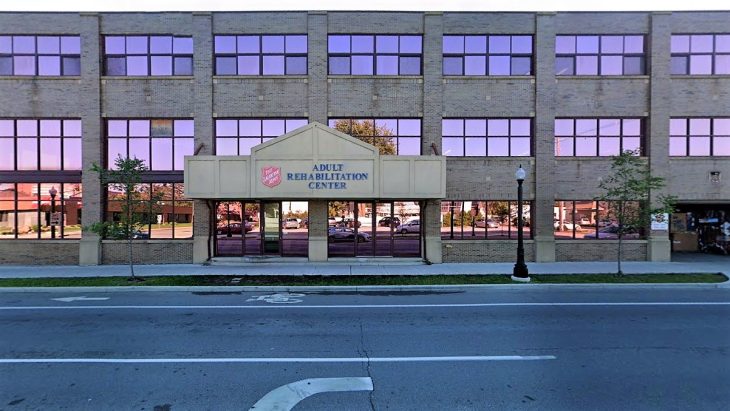
About The Salvation Army – Fort Wayne
The Salvation Army Adult Rehabilitation Center in Fort Wayne is a faith based, CARF accredited addiction treatment program serving adults seeking long term recovery from substance use.
The center offers residential and outpatient care including individual and group counseling, relapse prevention, family therapy and work therapy alongside 12 step support and CBT, motivational interviewing and trauma focused counseling.
Rooted in the Salvation Army’s Christian mission, the program combines spiritual guidance with practical life skills development to help individuals rebuild stability and purpose.
Faith Based Residential Recovery
The center’s core offering is a free six month residential recovery program for adults which includes housing and meals, counseling and structured work therapy.
This long term model gives participants time and space to focus fully on healing without the financial strain of traditional rehab.
Daily life blends individual and group counseling, substance use education and relapse prevention with spiritual services and life skills workshops.
The approach addresses underlying issues such as past trauma, mental health concerns and employment barriers, helping residents build a foundation for sustained sobriety.
Comprehensive Support Services
Beyond clinical care, the program offers case management and transportation assistance, social skills training and discharge planning to support reintegration. Staff can also help clients get connected to local detox and MAT programs.
Specialized support is available for veterans, military families and court referred individuals, seniors and those impacted by domestic violence or past abuse with assessments and screenings provided at intake.
Access and Getting Started
Located in Fort Wayne’s West Central neighborhood with convenient public transit access, the center serves adults ages 21 to 65 through in person residential and outpatient services.
As a nonprofit, CARF accredited Salvation Army program, it is rooted in a long standing tradition of community based recovery support.
The program is offered at no cost and Medicare, Medicaid, sliding fee scale and payment assistance options are also available.
| Levels of Care | Detox Service Setting | Programs | Payment Options | ||||
|---|---|---|---|---|---|---|---|
|
Inpatient and residential programs provide round-the-clock medical and emotional support as you live at the treatment facility. This level of care may be recommended if you have severe addictions or mental health conditions since it removes outside distractions and allows you to focus solely on therapy. |
In outpatient therapy, you’ll attend therapy sessions several times each week while living at home. This is ideal if you have a strong support system and a lower risk of relapse. Outpatient treatment offers flexibility to maintain work, school or family obligations. |
Aftercare programs provide ongoing support after you complete a rehab program. They may include several components to help you maintain sobriety including therapy, community support groups and relapse prevention strategies. This gives you a network of resources as you reintegrate into your daily life. |
Sober living homes provide a supportive and substance free environment for you to live in as you overcome your addiction. Residents must follow house rules and support each other's recovery journeys. Sober living fosters accountability and stability during this critical phase of recovery. |
||||
|
Inpatient detox occurs in a dedicated treatment facility. You’ll live there around the clock and receive intensive medical support and supervision to help manage your withdrawal symptoms. It is suitable for individuals with moderate to severe addictions as it ensures a stable detox environment. |
Outpatient detox gives you access to medically supervised withdrawal services while still allowing you to live at home. You’ll attend a clinic for treatment and monitoring. This flexible option is suitable for those with mild to moderate withdrawal symptoms who have strong support systems. |
||||||
|
Adult programs address the substance use and life challenges specific to adults. Therapists can deliver sessions in individual, group and family settings. Services often include job support and life skills training in a structured environment. |
Alcohol detox programs offer medical support to help individuals withdraw safely from alcohol. Your care team may use medications to ease your symptoms and provide medical monitoring to address complications. |
Cognitive behavioral therapy focuses on changing harmful thought patterns and behaviors associated with addiction. You’ll learn healthier coping mechanisms by identifying and replacing negative thoughts. This improves your emotional resilience and decreases your relapse potential. |
Drug detox programs support individuals who are withdrawing from addictive substances like cocaine and heroin. Medical support helps you manage symptoms in a controlled and safe environment so you can achieve initial sobriety. |
Men's programs address substance use while also considering the social pressures, family roles and mental health concerns that are specific to men. You’ll learn healthy coping mechanisms as you build emotional resilience and develop communication skills. |
Opioid detox uses medications to ease severe withdrawal symptoms. It also includes medical supervision to help you manage potential complications. These services allow you to stabilize and begin a recovery plan. |
Women's programs offer a safe and supportive space to focus on gender specific issues such as trauma, family roles and mental health conditions. Therapists tailor the sessions to address women's needs and foster empowerment in a healing and nurturing environment. |
Young adult programs are designed for individuals who are transitioning into adulthood. Topics of discussion typically include identity, independence and peer relationships. Providers may also offer life skills training and career support. |
|
Free
|
Self Pay
|
Medicaid
|
Levels of Care
Inpatient and residential programs provide round-the-clock medical and emotional support as you live at the treatment facility. This level of care may be recommended if you have severe addictions or mental health conditions since it removes outside distractions and allows you to focus solely on therapy.
In outpatient therapy, you’ll attend therapy sessions several times each week while living at home. This is ideal if you have a strong support system and a lower risk of relapse. Outpatient treatment offers flexibility to maintain work, school or family obligations.
Aftercare programs provide ongoing support after you complete a rehab program. They may include several components to help you maintain sobriety including therapy, community support groups and relapse prevention strategies. This gives you a network of resources as you reintegrate into your daily life.
Sober living homes provide a supportive and substance free environment for you to live in as you overcome your addiction. Residents must follow house rules and support each other's recovery journeys. Sober living fosters accountability and stability during this critical phase of recovery.
Detox Service Setting
Inpatient detox occurs in a dedicated treatment facility. You’ll live there around the clock and receive intensive medical support and supervision to help manage your withdrawal symptoms. It is suitable for individuals with moderate to severe addictions as it ensures a stable detox environment.
Outpatient detox gives you access to medically supervised withdrawal services while still allowing you to live at home. You’ll attend a clinic for treatment and monitoring. This flexible option is suitable for those with mild to moderate withdrawal symptoms who have strong support systems.
Programs
Adult programs address the substance use and life challenges specific to adults. Therapists can deliver sessions in individual, group and family settings. Services often include job support and life skills training in a structured environment.
Alcohol detox programs offer medical support to help individuals withdraw safely from alcohol. Your care team may use medications to ease your symptoms and provide medical monitoring to address complications.
Cognitive behavioral therapy focuses on changing harmful thought patterns and behaviors associated with addiction. You’ll learn healthier coping mechanisms by identifying and replacing negative thoughts. This improves your emotional resilience and decreases your relapse potential.
Drug detox programs support individuals who are withdrawing from addictive substances like cocaine and heroin. Medical support helps you manage symptoms in a controlled and safe environment so you can achieve initial sobriety.
Men's programs address substance use while also considering the social pressures, family roles and mental health concerns that are specific to men. You’ll learn healthy coping mechanisms as you build emotional resilience and develop communication skills.
Opioid detox uses medications to ease severe withdrawal symptoms. It also includes medical supervision to help you manage potential complications. These services allow you to stabilize and begin a recovery plan.
Women's programs offer a safe and supportive space to focus on gender specific issues such as trauma, family roles and mental health conditions. Therapists tailor the sessions to address women's needs and foster empowerment in a healing and nurturing environment.
Young adult programs are designed for individuals who are transitioning into adulthood. Topics of discussion typically include identity, independence and peer relationships. Providers may also offer life skills training and career support.
Accreditations

Contact


- Monday 9AM - 9PM
- Tuesday 9AM - 9PM
- Wednesday 9AM - 9PM
- Thursday 9AM - 9PM
- Friday 9AM - 9PM
- Saturday 9AM - 9PM

Natalie is a recent Purdue University graduate where she studied Psychology and Creative Writing. She’s a fierce advocate for others and is committed to always showing up with a compassionate heart. She enjoys writing poetry, dancing, and playing piano in her free time.
Nearby Detox Centers
Search by Indiana Cities
FAQs
Does The Salvation Army in Fort Wayne offer medical detox for alcohol withdrawal?
The Salvation Army in Fort Wayne provides outpatient detox services for individuals 18 and older. Outpatient detox allows people to receive treatment while living at home or in a community setting. Those experiencing severe alcohol withdrawal symptoms should contact a medical provider or emergency room for inpatient medical detox supervision.
What substances can be addressed at The Salvation Army Fort Wayne detox?
The Salvation Army in Fort Wayne serves adults 18 and older seeking detox and withdrawal management. The facility accepts Medicaid insurance for eligible individuals. Prospective clients should contact the facility directly to confirm which specific substances are treated and to discuss individual needs during the intake process.
Is Medicaid accepted for detox services at Fort Wayne's Salvation Army?
Yes, The Salvation Army in Fort Wayne accepts Medicaid for detox services. Medicaid-eligible adults 18 and older can explore outpatient detox options at this location. Individuals should verify their Medicaid coverage and speak with the facility about the intake process and what to expect during treatment.
What is the intake process for starting detox at The Salvation Army Fort Wayne?
The Salvation Army in Fort Wayne offers outpatient detox for adults 18 and older. The facility accepts Medicaid and can help eligible individuals begin treatment. New clients should contact the center directly to schedule an assessment, verify insurance eligibility, and learn about program details and next steps.