Find Drug & Alcohol Detox Centers in Illinois

Detox Centers in Illinois

182 Results
Filters
Setting
Medications Offered
Treatment
Programs
Payment Options
Name Address Detox Service Setting Levels Of Care Media

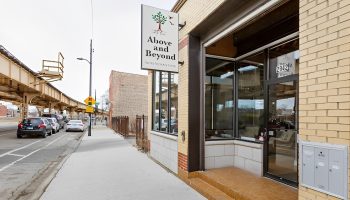
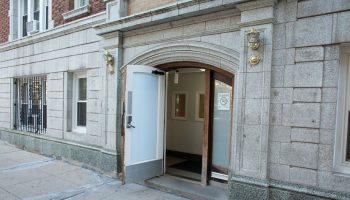
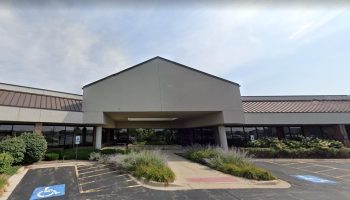
Above and Beyond Family Recovery Center

2942 West Lake Street Chicago, IL 60612
Detox Service Setting
Outpatient Detox
Levels Of Care
OutpatientAftercareDual Diagnosis
Above and Beyond Family Recovery Center

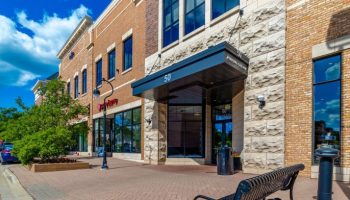
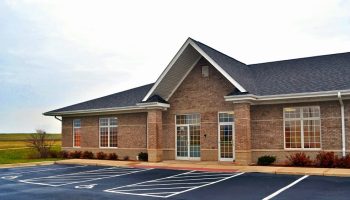
Banyan Treatment Centers Chicago

50 S Main St Naperville, IL 60540
Detox Service Setting
Inpatient DetoxOutpatient Detox
Levels Of Care
InpatientOutpatient
Banyan Treatment Centers Chicago

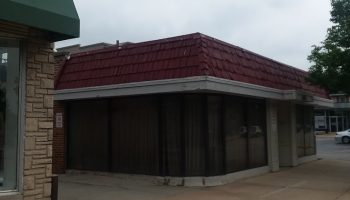
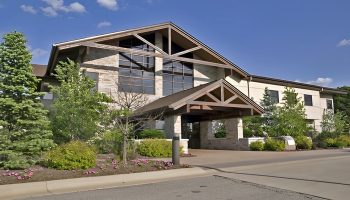
CAP of Downers Grove

4954 Main Street Downers Grove, IL 60515
Detox Service Setting
Outpatient Detox
Levels Of Care
Outpatient
CAP of Downers Grove

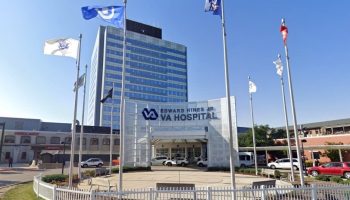
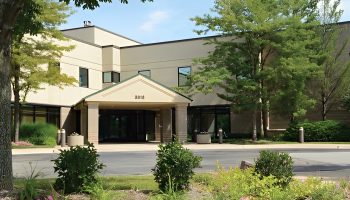
Edward Hines Jr VA Hospital

5000 South 5th Avenue Hines, IL 60141
Detox Service Setting
Inpatient DetoxOutpatient Detox
Levels Of Care
InpatientOutpatientAftercare+2
Edward Hines Jr VA Hospital

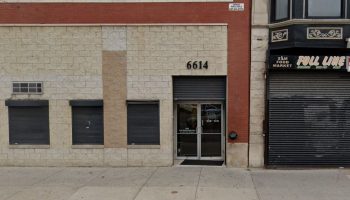
Eva Mae Recovery Hope 6614 South Halsted

6614 South Halsted Street Chicago, IL 60621
Detox Service Setting
Outpatient Detox
Levels Of Care
Outpatient
Eva Mae Recovery Hope 6614 South Halsted

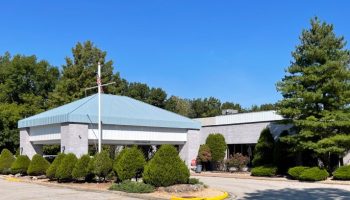
Footprints To Recovery – Illinois

411 West River Road Elgin, IL 60123
Detox Service Setting
Outpatient DetoxMAT
Levels Of Care
PHPOutpatientAftercare+3
Footprints To Recovery – Illinois

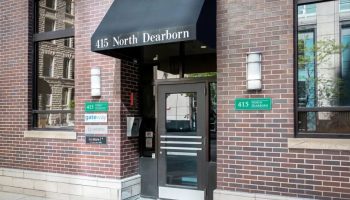
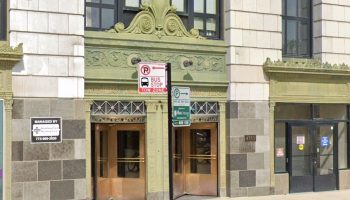
Gateway Alcohol and Drug Treatment Center – Chicago River North

415 North Dearborn Street Chicago, IL 60654
Detox Service Setting
Outpatient Detox
Levels Of Care
OutpatientAftercareDual Diagnosis
Gateway Alcohol and Drug Treatment Center – Chicago River North

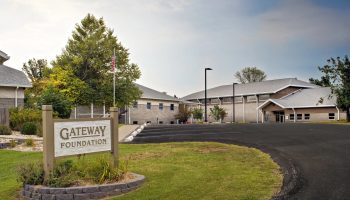
Gateway Foundation

600 West Lincoln Avenue Caseyville, IL 62232
Detox Service Setting
Inpatient DetoxOutpatient DetoxMAT
Levels Of Care
InpatientOutpatientAftercare+1
Gateway Foundation

Gateway Foundation

2200 Lake Victoria Drive Springfield, IL 62703
Detox Service Setting
Inpatient DetoxOutpatient DetoxMAT
Levels Of Care
InpatientOutpatientAftercare+3
Gateway Foundation

Gateway Foundation

400 Mercy Lane Aurora, IL 60506
Detox Service Setting
Inpatient DetoxOutpatient DetoxMAT
Levels Of Care
InpatientOutpatientAftercare+3
Gateway Foundation

Gateway Foundation – Carbondale

1080 East Park Street Carbondale, IL 62901
Detox Service Setting
Inpatient DetoxOutpatient Detox
Levels Of Care
InpatientOutpatientAftercare+1
Gateway Foundation – Carbondale

Gateway Foundation Lake Villa

25480 West Cedar Crest Drive Lake Villa, IL 60046
Detox Service Setting
Inpatient DetoxOutpatient Detox
Levels Of Care
InpatientOutpatientAftercare+1
Gateway Foundation Lake Villa

Haymarket Center Uptown Substance Abuse Services

4753 North Broadway Chicago, IL 60640
Detox Service Setting
Inpatient DetoxOutpatient Detox
Levels Of Care
InpatientOutpatientAftercare+3
Haymarket Center Uptown Substance Abuse Services

LSSI Addiction Treatment Center Kenmore

5517 North Kenmore Avenue Chicago, IL 60640
Detox Service Setting
Inpatient DetoxOutpatient Detox
Levels Of Care
InpatientOutpatientAftercare+2
LSSI Addiction Treatment Center Kenmore

Lincoln Recovery

19067 West Frontage Road Raymond, IL 62560
Detox Service Setting
Inpatient DetoxOutpatient Detox
Levels Of Care
InpatientOutpatient
Lincoln Recovery

Mathers Recovery Elgin

420 Airport Road Elgin, IL 60123
Detox Service Setting
Outpatient Detox
Levels Of Care
OutpatientDual Diagnosis
Mathers Recovery Elgin

Rosecrance

915 Alexandra Drive Belvidere, IL 61008
Detox Service Setting
Outpatient DetoxMAT
Levels Of Care
OutpatientDual DiagnosisIntervention+3
Rosecrance

Rosecrance Griffin Williamson Campus

1601 North University Drive Rockford, IL 61107
Detox Service Setting
Inpatient DetoxOutpatient Detox
Levels Of Care
InpatientOutpatientDual Diagnosis+2
Rosecrance Griffin Williamson Campus

Rosecrance Harrison Recovery Campus

3815 Harrison Avenue Rockford, IL 61108
Detox Service Setting
Inpatient DetoxOutpatient DetoxMAT
Levels Of Care
InpatientPHPOutpatient+5
Rosecrance Harrison Recovery Campus

Rosecrance Lakeview Sober Living Residences

3701 North Ashland Avenue Chicago, IL 60613
Detox Service Setting
Inpatient DetoxOutpatient Detox
Levels Of Care
InpatientOutpatientAftercare+2
Rosecrance Lakeview Sober Living Residences

Drug & Alcohol Detox in Illinois

Illinois runs its substance use system through the Department of Human Services, Division of Substance Use Prevention and Recovery (IDHS/SUPR), the single state authority that licenses every detox and substance use disorder treatment facility in Illinois under Administrative Code Part 2060. Those rules set the staffing, clinical, and safety standards for each level of care, using the American Society of Addiction Medicine (ASAM) criteria as the clinical framework..

Anyone choosing a detox center can start with the Illinois Helpline for Opioids and Other Substances at 1-833-234-6343, which is free and answered around the clock.

Illinois pairs a large treatment network with a deep public safety net. The state expanded Medicaid, and the Illinois Medical Assistance Program covers the full continuum of substance use care, delivered through HealthChoice Illinois managed care.

The state also funds community treatment through SUPR and supports one of the country’s most active naloxone distribution networks, sending free overdose reversal medication to organizations across all of its regions.

These efforts are showing results. Illinois overdose deaths fell about 30 percent in 2024, the lowest total since 2016. Fentanyl still drives the crisis, which is why medically supervised detox matters.

Paying for Detox in Illinois

Paying for detox in Illinois is more manageable than many people expect, between expanded Medical Assistance, commercial insurance parity protections, and SUPR-funded programs that serve uninsured residents. Understanding how much detox costs and the assistance options below can help you plan before treatment begins.

How Much Does Detox Cost in Illinois?

The cost of detox in Illinois depends on the level of medical supervision, the substance involved, the length of stay, and whether care happens in a hospital, a residential facility, or an outpatient setting. Alcohol and benzodiazepine withdrawal often require closer monitoring, which raises the cost, and the Chicago metro area tends to run higher than downstate.

The figures below are full cash-pay (self-pay) rates before insurance, Medical Assistance, Medicare, or state funding is applied. Most people with coverage pay far less, and many qualify for care at no cost.

$140,000
Medical Detox
$50,000
Inpatient Rehab
$8,000
Outpatient Rehab
$7,000
Methadone Treatment

Medicare and Medicaid in Illinois

Medicare

Medicare covers medically necessary detox for Illinois residents. Part A pays for inpatient hospital withdrawal management, and Part B covers outpatient services, including opioid treatment program care that provides methadone, buprenorphine, and naltrexone.

Medicare Advantage plans sold in Illinois must offer at least the same coverage. Your out-of-pocket cost depends on the setting, the services received, and your plan’s deductibles and coinsurance.

Medicaid

The Illinois Medical Assistance Program, the state Medicaid program run by Healthcare and Family Services, covers medically supervised withdrawal, residential treatment, outpatient services, and medication-assisted treatment at SUPR-certified programs. Coverage is delivered through HealthChoice Illinois managed care organizations, and some services may require prior authorization.

Other Ways to Pay for Detox Treatment

Illinois funds a broad public safety net so that cost is not a barrier to starting detox. Beyond commercial insurance and Medical Assistance, several options help people pay for care:

State-Funded Treatment (IDHS/SUPR)

The Division of Substance Use Prevention and Recovery is a primary funder of substance use services statewide, using state and federal dollars to cover detox and treatment for uninsured and underinsured residents, with priority admission for certain populations.

Illinois Helpline for Opioids and Other Substances

The Illinois Helpline (1-833-234-6343) is a free, confidential service open around the clock that connects residents to detox, treatment, and recovery resources, including publicly funded options for people without insurance.

Sliding Scale and Community Providers

Federally Qualified Health Centers and nonprofit providers across Illinois offer detox and outpatient services on a sliding fee scale tied to income, making care reachable for people without full coverage.

Veterans Programs

Enrolled veterans can access substance use treatment and medically supervised detox through the Jesse Brown VA Medical Center in Chicago, Edward Hines Jr. VA Hospital, and other VA facilities statewide, with community care referrals when needed.

Illinois Regulations and Accreditation for Detox

Detox and treatment programs in Illinois are overseen by state agencies and credentialing bodies, with national accreditation adding a further layer of quality assurance. These are the primary bodies that regulate withdrawal management and addiction care across the state:

IDHS Division of Substance Use Prevention and Recovery (SUPR)

SUPR is the single state authority for substance use services. It licenses every detox and treatment facility in Illinois under Administrative Code Part 2060, credentials treatment staff, funds community programs, and sets the clinical and safety standards providers must follow. See IDHS/SUPR.

Illinois Department of Public Health (IDPH)

IDPH licenses the hospitals that provide medically managed withdrawal, leads statewide overdose surveillance, and co-issues the standardized procedure that makes naloxone available without an individual prescription. See the IDPH opioids program.

Illinois Certification Board (IAODAPCA)

The Illinois Alcohol and Other Drug Abuse Professional Certification Association credentials the counselors who staff the state’s detox and treatment programs, verifying the education, supervised experience, and testing behind each certification. See the Illinois Certification Board.

National Accreditation: CARF and The Joint Commission

Beyond state oversight, many Illinois detox and treatment providers voluntarily earn accreditation from CARF International or The Joint Commission. These independent bodies audit programs against national standards for safety, clinical quality, and outcomes, signaling externally reviewed care.

Key MAT Medications and Regulatory Status in Illinois

Medication-assisted treatment in Illinois is regulated at the federal and state levels. Opioid treatment programs that dispense methadone must hold SAMHSA certification under 42 CFR Part 8 and register with the DEA, while SUPR licenses the programs and the Illinois Prescription Monitoring Program tracks dispensing. Illinois has widened access to medication-assisted treatment through telehealth and hub-and-spoke networks, and the federal buprenorphine waiver has been eliminated.

Buprenorphine

Buprenorphine, often prescribed as Suboxone, is widely available in Illinois through office-based providers, telehealth, and hub-and-spoke programs. This reach matters in rural counties far from a clinic. Illinois Medicaid covers buprenorphine, making it a practical first step for opioid use disorder treatment.

Methadone

Methadone is dispensed only through SAMHSA-certified opioid treatment programs and is not available at retail pharmacies. Illinois has a dense network of these programs in the Chicago area and other metros, and Illinois Medicaid covers methadone for eligible residents.

Naltrexone

Naltrexone, including the extended-release injection Vivitrol, blocks opioid effects and is not a controlled substance, so any licensed Illinois prescriber can offer it in a standard outpatient setting. It treats both opioid and alcohol use disorder after withdrawal is complete, and Illinois Medicaid covers it statewide.

Overdose Prevention and Harm Reduction in Illinois

Illinois has built one of the most active overdose prevention systems in the country. Because fentanyl drives the large majority of the state’s overdose deaths, Illinois maintains a statewide standardized procedure that lets pharmacies and community programs provide naloxone without an individual prescription, funds free naloxone distribution through the state, and supports syringe services programs. These services often become a person’s first connection to detox and treatment.

IDHS Drug Overdose Prevention Program (DOPP)

Free Narcan through Access Narcan Overdose education and naloxone distribution Fentanyl test strips Community partner network

The IDHS Drug Overdose Prevention Program lets community organizations order free Narcan through the Access Narcan program to distribute to people who use drugs, their families, and the wider community.

IDPH Naloxone Standardized Procedure

Statewide standing order for naloxone Pharmacy access without a prescription Nalmefene and naloxone options Overdose response training

The Illinois Department of Public Health maintains the statewide standardized procedure for opioid overdose reversal agents, which lets pharmacies and trained programs provide naloxone or nalmefene without an individual prescription.

Chicago Recovery Alliance

Syringe services and safe disposal Naloxone distribution and training HIV and hepatitis C testing Linkage to treatment and medication

The Chicago Recovery Alliance is one of the country’s largest harm reduction organizations, providing syringe services, naloxone, testing, and connections to treatment across the Chicago area.

NEXT Distro

Mail-based naloxone for IL residents Overdose prevention education Fentanyl test strips Referrals to local services

NEXT Distro is an online harm reduction platform that mails free naloxone and supplies to Illinois residents who cannot easily reach an in-person program.

Detox Statistics in Illinois

Illinois has made major progress against overdose deaths, though fentanyl keeps the danger high. These figures from state health agencies show where Illinois stands today.

Overdose Deaths Down About 30%

Illinois overdose deaths from any drug fell about 30 percent in 2024, the lowest total since 2016, according to the Illinois Department of Public Health.

Opioids in 76% of Deaths

Opioids were involved in about 76 percent of Illinois drug overdose deaths in 2024, the largest share of any substance category, according to the Illinois Department of Public Health.

Fentanyl Deaths Fell 35%

Deaths involving synthetic opioids such as fentanyl dropped about 35 percent in Illinois in 2024, a sign that prevention efforts are reaching people, per the Illinois Department of Public Health.

FAQs About Detox in Illinois

How do I get into detox in Illinois without insurance?

Call the Illinois Helpline for Opioids and Other Substances at 1-833-234-6343, a free and confidential line open around the clock. Staff connect you to detox and treatment regardless of insurance, including SUPR-funded programs that serve uninsured residents, and can help you enroll in Medical Assistance.

Is naloxone (Narcan) free in Illinois?

Yes. Illinois’s statewide standardized procedure lets pharmacies provide naloxone without an individual prescription, and community organizations distribute free Narcan through the state’s Drug Overdose Prevention Program. NEXT Distro also mails free naloxone to Illinois residents.

Do I need inpatient detox, or is outpatient enough?

It depends on the substance, your withdrawal history, and any co-occurring conditions. Alcohol and benzodiazepine withdrawal can be life-threatening and often require inpatient care. Reviewing whether you really need inpatient detox with a clinician determines the safest level of care.

Does Illinois Medicaid cover addiction treatment?

Yes. The Illinois Medical Assistance Program covers medically supervised withdrawal, residential treatment, outpatient services, and medication-assisted treatment at SUPR-certified programs. Coverage runs through HealthChoice Illinois managed care, and some services may require prior authorization.

How long does detox take in Illinois?

Most medically supervised detox lasts three to seven days, though timelines vary by substance and severity. Opioid and alcohol withdrawal typically span several days, while some sedatives require a longer taper. Your care team adjusts the plan based on your symptoms and medical needs.

Two people talking
Get Help Today!
If you or a loved one is in need of help, call today. Pick up the phone and get the help you need.
800-483-2193
Confidential. Available 24 Hours
Written by: Kerry Nenn

BSW

Kerry Nenn is a full-time freelance writer and prize-winning author. She contributes regularly to addiction-recovery sites, international journal publications, and Christian ministries. Her published works include 10 books and myriad articles. Her work has received recognition both locally and nationally.

View Profile

Browse Detox Centers

Get Help Today Phone icon 800-779-4314