

 800-262-4205
5 Door Recovery

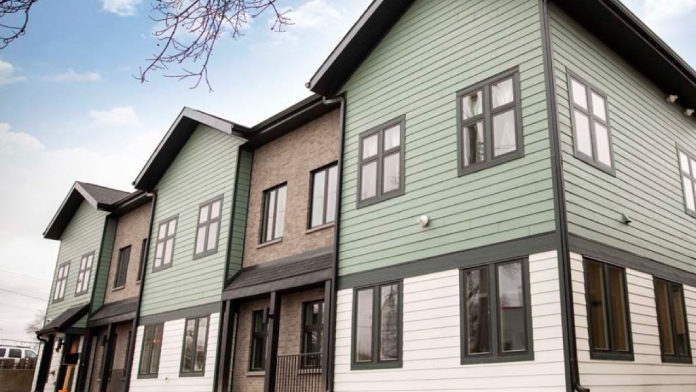
About 5 Door Recovery
5 Door Recovery is a residential addiction treatment center in Madison, Wisconsin, operated by Catholic Charities Diocese of Madison and serving adults in a structured 24/7 staffed environment.
The program offers individualized treatment plans with evidence based and holistic therapies, typically lasting 30 days depending on individual needs and funding.
Clients value the structured approach and report gaining a deeper understanding of their addiction and the tools to maintain lasting sobriety.
What addiction treatment programs does 5 Door Recovery offer?
5 Door Recovery provides residential treatment with individual counseling, group counseling and family programming through “Family Matters” education and therapy sessions.
Evidence based care is paired with experiential therapies including animal-assisted therapy, art therapy, healing yoga, meditation, therapeutic recreation and nutrition education.
The center also coordinates Medication Assisted Treatment (MAT) with physicians and offers AA/NA support groups, tobacco cessation, case management and aftercare planning.
Who can get help at 5 Door Recovery?
The program serves adults age 18 and older of all genders who are struggling with alcohol or drug addiction, including those with co-occurring mental health concerns and trauma.
You do not need to be a Wisconsin resident to receive treatment and services are provided regardless of sexual orientation, religion, ethnicity, race or social background.
Where is the facility located?
5 Door Recovery is located in the Bay Creek neighborhood of Madison, a peaceful residential community setting near Lake Monona.
The facility features dedicated spaces for yoga, art therapy and fitness, plus outdoor patio areas with picnic tables and a trauma sensitive homelike design.
| Levels of Care | Detox Service Setting | Programs | Payment Options |
|---|---|---|---|
|
5 Door Recovery runs a residential program where adults live on site while they recover from alcohol or drug addiction. |
In outpatient therapy, you’ll attend therapy sessions several times each week while living at home. This is ideal if you have a strong support system and a lower risk of relapse. Outpatient treatment offers flexibility to maintain work, school or family obligations. |
||
|
Inpatient detox occurs in a dedicated treatment facility. You’ll live there around the clock and receive intensive medical support and supervision to help manage your withdrawal symptoms. It is suitable for individuals with moderate to severe addictions as it ensures a stable detox environment. |
Outpatient detox gives you access to medically supervised withdrawal services while still allowing you to live at home. You’ll attend a clinic for treatment and monitoring. This flexible option is suitable for those with mild to moderate withdrawal symptoms who have strong support systems. |
||
|
Alcohol detox programs offer medical support to help individuals withdraw safely from alcohol. Your care team may use medications to ease your symptoms and provide medical monitoring to address complications.
|
Drug detox programs support individuals who are withdrawing from addictive substances like cocaine and heroin. Medical support helps you manage symptoms in a controlled and safe environment so you can achieve initial sobriety.
|
||
|
Private Insurance
|
Self Pay
|
Levels of Care
5 Door Recovery runs a residential program where adults live on site while they recover from alcohol or drug addiction.
In outpatient therapy, you’ll attend therapy sessions several times each week while living at home. This is ideal if you have a strong support system and a lower risk of relapse. Outpatient treatment offers flexibility to maintain work, school or family obligations.
Detox Service Setting
Inpatient detox occurs in a dedicated treatment facility. You’ll live there around the clock and receive intensive medical support and supervision to help manage your withdrawal symptoms. It is suitable for individuals with moderate to severe addictions as it ensures a stable detox environment.
Outpatient detox gives you access to medically supervised withdrawal services while still allowing you to live at home. You’ll attend a clinic for treatment and monitoring. This flexible option is suitable for those with mild to moderate withdrawal symptoms who have strong support systems.
Programs
Contact



Amy Greene is an award-winning novelist and essayist. Her acclaimed debut novel, Bloodroot, was a New York Times national best seller. Her second novel, Long Man, was named a Best Book of the Year by The Washington Post in 2014. Her essays have appeared in publications such as The New York Times and Glamor Magazine. She currently resides in her native East Tennessee, amid the mountains she loves. In both her fiction and her nonfiction writing, Amy is dedicated exploring complex issues of mental health and spiritual and emotional wellbeing.
Detox.com regularly reviews this listing for accuracy but changes may occur between updates. For the most up-to-date information, please contact 5 Door Recovery.
Nearby Detox Centers
Search by Wisconsin Cities
FAQs
What levels of care does 5 Door Recovery offer?
It’s a residential program for adults recovering from alcohol or drug addiction. Many clients also live with co-occurring disorders and past trauma. Help is available with an aftercare plan, including finding sober living and connecting to community resources for mental health care and employment.
Where is 5 Door Recovery located, and what is the setting like?
Clients live right in Madison’s Bay Creek neighborhood. The building has sound-proof rooms, with careful attention to light, color and space, and there’s a backyard patio with picnic tables under a pergola for shade. The program is currently accepting all referrals.
What kinds of therapy are used here?
There’s yoga, art therapy for working through a trauma narrative, and animal assisted therapy, where an animal helps clients express feelings and settle. AA and NA meet here and at other locations, and the Family Matters program offers family education and therapy. The team also coordinates medication assisted treatment.
When did this residential program start?
The program was developed in 2020, created to meet the growing needs of the substance use epidemic. From the start it was built around a trauma-sensitive approach to treatment and recovery.