800-671-4304
Advantage Mental Health Center
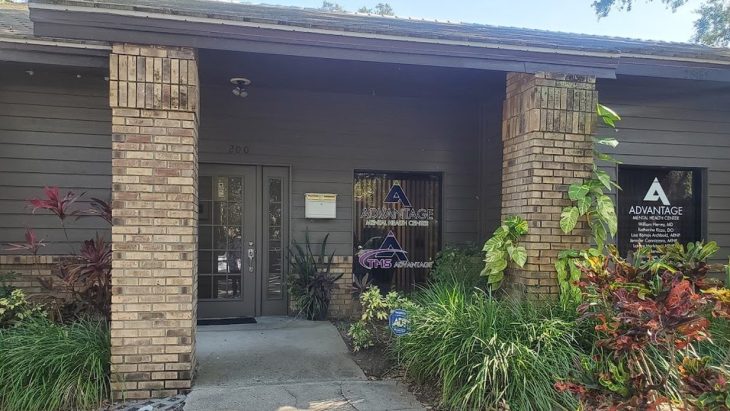
About Advantage Mental Health Center
Advantage Mental Health Center located in Clearwater, Florida, provides clinical treatment for individuals with mental health challenges and addictions. Available services include psychiatric evaluations, medication management, and transcranial magnetic stimulation (TMS).
Appointments are available both in person and virtually for individuals with busy schedules and to bring more mental health services to the community. They accept checks, cash, and credit cards. Check your providers for out-of-network benefits.
Mental Health Services
Evaluations help patients come to terms with struggles like depression, anxiety, addiction, PTSD, and mood disorders. At Advantage Mental Health, clients work with mental health professionals to come up with personalized treatment plans that work for them.
If you have a mental illness, you can also receive help with getting on a low dose of medication and managing it. Transcranial magnetic stimulation and Spravato are FDA-approved treatments for mood regulation and insurance is accepted at Advantage Mental Health for this thirty six day program. Other psychiatric medications are also available.
Connecting with the Community
Near the facility, you can find healing spaces that provide relaxation, connection to the community, and areas to spend time with loved ones. Crestlake Park in Clearwater has walking trails that go along the lake, a dog park, and areas to fish. Other resources can be the beaches and nature reserves along the Gulf.
| Levels of Care | Detox Service Setting | Programs | Payment Options | |||
|---|---|---|---|---|---|---|
|
In outpatient therapy, you’ll attend therapy sessions several times each week while living at home. This is ideal if you have a strong support system and a lower risk of relapse. Outpatient treatment offers flexibility to maintain work, school or family obligations. |
Dual diagnosis programs address substance use disorders and co-occurring mental health conditions simultaneously. This integrated approach to care improves the likelihood of long term recovery and stability by addressing the root causes of addiction. |
|||||
|
Outpatient detox gives you access to medically supervised withdrawal services while still allowing you to live at home. You’ll attend a clinic for treatment and monitoring. This flexible option is suitable for those with mild to moderate withdrawal symptoms who have strong support systems. |
||||||
|
Adult programs address the substance use and life challenges specific to adults. Therapists can deliver sessions in individual, group and family settings. Services often include job support and life skills training in a structured environment. |
Alcohol detox programs offer medical support to help individuals withdraw safely from alcohol. Your care team may use medications to ease your symptoms and provide medical monitoring to address complications. |
EMDR stands for eye movement desensitization and reprocessing therapy. It helps you process traumatic memories that may underlie addiction. You’ll learn how to reduce emotional distress and begin healing from past events. This makes it effective for trauma related addiction causes. |
Men's programs address substance use while also considering the social pressures, family roles and mental health concerns that are specific to men. You’ll learn healthy coping mechanisms as you build emotional resilience and develop communication skills. |
Opioid detox uses medications to ease severe withdrawal symptoms. It also includes medical supervision to help you manage potential complications. These services allow you to stabilize and begin a recovery plan. |
Women's programs offer a safe and supportive space to focus on gender specific issues such as trauma, family roles and mental health conditions. Therapists tailor the sessions to address women's needs and foster empowerment in a healing and nurturing environment. |
Young adult programs are designed for individuals who are transitioning into adulthood. Topics of discussion typically include identity, independence and peer relationships. Providers may also offer life skills training and career support. |
|
Private Insurance
|
Self Pay
|
Levels of Care
In outpatient therapy, you’ll attend therapy sessions several times each week while living at home. This is ideal if you have a strong support system and a lower risk of relapse. Outpatient treatment offers flexibility to maintain work, school or family obligations.
Dual diagnosis programs address substance use disorders and co-occurring mental health conditions simultaneously. This integrated approach to care improves the likelihood of long term recovery and stability by addressing the root causes of addiction.
Detox Service Setting
Outpatient detox gives you access to medically supervised withdrawal services while still allowing you to live at home. You’ll attend a clinic for treatment and monitoring. This flexible option is suitable for those with mild to moderate withdrawal symptoms who have strong support systems.
Programs
Adult programs address the substance use and life challenges specific to adults. Therapists can deliver sessions in individual, group and family settings. Services often include job support and life skills training in a structured environment.
Alcohol detox programs offer medical support to help individuals withdraw safely from alcohol. Your care team may use medications to ease your symptoms and provide medical monitoring to address complications.
EMDR stands for eye movement desensitization and reprocessing therapy. It helps you process traumatic memories that may underlie addiction. You’ll learn how to reduce emotional distress and begin healing from past events. This makes it effective for trauma related addiction causes.
Men's programs address substance use while also considering the social pressures, family roles and mental health concerns that are specific to men. You’ll learn healthy coping mechanisms as you build emotional resilience and develop communication skills.
Opioid detox uses medications to ease severe withdrawal symptoms. It also includes medical supervision to help you manage potential complications. These services allow you to stabilize and begin a recovery plan.
Women's programs offer a safe and supportive space to focus on gender specific issues such as trauma, family roles and mental health conditions. Therapists tailor the sessions to address women's needs and foster empowerment in a healing and nurturing environment.
Young adult programs are designed for individuals who are transitioning into adulthood. Topics of discussion typically include identity, independence and peer relationships. Providers may also offer life skills training and career support.
Contact


Natalie is a recent Purdue University graduate where she studied Psychology and Creative Writing. She’s a fierce advocate for others and is committed to always showing up with a compassionate heart. She enjoys writing poetry, dancing, and playing piano in her free time.

Peter W.Y. Lee is a historian with a focus in American Cold War culture. He has examined how popular culture has served as a coping mechanism for the challenges and changes impacting American society throughout the twentieth century.