

 800-262-4205
Carolina Behavioral Care Centers

About Carolina Behavioral Care Centers
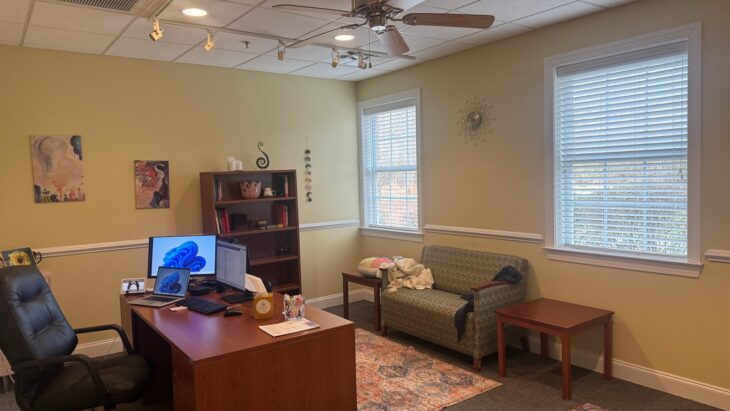
Based in Hillsborough, North Carolina, Carolina Behavioral Care is a behavioral health clinic that offers a broad range of mental health and addiction treatment services. Directed by physicians, this center has been providing care to clients of all ages since 1982. They accept North Carolina Medicaid, Medicare and other private insurance options.
The center provides a full spectrum of addiction treatment services including outpatient detox. Detox here is medically managed and supervised for safety to help clients feel more comfortable as they ride the waves of cravings and withdrawal symptoms. Clients can also access counseling during this time to tackle the emotional component of the process.
Further treatment also involves medication-assisted treatment (MAT), using buprenorphine treatment and maintenance therapy for opioid addiction. MAT is always offered alongside comprehensive addiction counseling.
The preferred counseling style used here is motivational interviewing, which seeks to engage clients to change their behavioral patterns by facilitating motivation. It is a nonjudgemental and nonconfrontational process, designed to help clients imagine a better life for themselves while setting goals to achieve it.
Other therapy options are available with styles including behavior therapy, cognitive behavior therapy (CBT), dialectical behavior therapy (DBT), exposure therapy, psychodynamic psychotherapy, play therapy, interpersonal therapy and eye movement desensitization and reprocessing (EMDR).
In terms of what former clients have to say about their experience here, feedback is mixed. Some describe coordination and communication issues while others mention the client portal system is tricky to navigate. Others mention confusion over appointments being made, canceled, and rescheduled at short notice or on the day.
| Levels of Care | Detox Service Setting | Programs | Payment Options | Medications Offered | |
|---|---|---|---|---|---|
|
Outpatient
|
|||||
|
Outpatient detox gives you access to medically supervised withdrawal services while still allowing you to live at home. You’ll attend a clinic for treatment and monitoring. This flexible option is suitable for those with mild to moderate withdrawal symptoms who have strong support systems. |
Medication-assisted treatment combines medication and counseling to manage withdrawal and reduce cravings for opioid and alcohol addiction. Medications may include methadone, buprenorphine, or naltrexone. MAT is tailored to your needs so you can actively participate in your treatment journey. |
||||
|
Adult programs address the substance use and life challenges specific to adults. Therapists can deliver sessions in individual, group, and family settings. Services often include job support and life-skills training in a structured environment.
|
Young adult programs are designed for individuals who are transitioning into adulthood. Topics of discussion typically include identity, independence, and peer relationships. Providers may also offer life-skills training and career support.
|
Women's programs offer a safe and supportive space to focus on gender-specific issues such as trauma, family roles, and mental health conditions. Therapists tailor the sessions to address women's needs and foster empowerment in a healing and nurturing environment.
|
Men's programs address substance use while also considering the social pressures, family roles, and mental health concerns that are specific to men. You’ll learn healthy coping mechanisms as you build emotional resilience and develop communication skills.
|
Military / Veterans
|
Opioid detox uses medications to ease severe withdrawal symptoms. It also includes medical supervision to help you manage potential complications. These services allow you to stabilize and begin a recovery plan. |
|
Self Pay
|
Medicaid
|
Medicare
|
State Family Services
|
Private Insurance
|
Military Insurance
|
|
Buprenorphine
|
Naltrexone (Vivitrol)
|
Levels of Care
Detox Service Setting
Outpatient detox gives you access to medically supervised withdrawal services while still allowing you to live at home. You’ll attend a clinic for treatment and monitoring. This flexible option is suitable for those with mild to moderate withdrawal symptoms who have strong support systems.
Medication-assisted treatment combines medication and counseling to manage withdrawal and reduce cravings for opioid and alcohol addiction. Medications may include methadone, buprenorphine, or naltrexone. MAT is tailored to your needs so you can actively participate in your treatment journey.
Programs
Opioid detox uses medications to ease severe withdrawal symptoms. It also includes medical supervision to help you manage potential complications. These services allow you to stabilize and begin a recovery plan.
Medications Offered
Amenities
Accepted Insurance
Contact


- Monday 8AM - 5PM
- Tuesday 8AM - 5PM
- Wednesday 8AM - 5PM
- Thursday 8AM - 5PM
- Friday 8AM - 5PM

Lauren wears many hats, and works as a holistic deep tissue massage therapist, content strategist, and copywriter. She’s been writing copy and dreaming up content for a number of brands for almost 10 years, having worked with a mixture of B2B and B2C brand. Some of her more notable clients include adidas, Gucci, Pepsi, and Hotels.com. A skilled editor and copywriter, she also enjoys planning content for social media and brand marketing campaigns.

Courtney Myers writes and edits professionally from her home in North Carolina. She holds an MS in Technical Communication from N.C. State University and has worked in proposal management, marketing, and online content creation. She specializes in creating resources related to behavioral health and addiction recovery.
Detox.com regularly reviews this listing for accuracy but changes may occur between updates. For the most up-to-date information, please contact Carolina Behavioral Care Centers.
Nearby Detox Centers


Search by North Carolina Cities
FAQs
What opioid detox medications does Carolina Behavioral Care Centers offer?
Carolina Behavioral Care Centers provides buprenorphine (Suboxone) treatment for opioid addiction. Buprenorphine is a medication used to reduce cravings and withdrawal symptoms from opiates such as heroin, morphine, oxycodone, hydrocodone, and codeine. The medication is combined with required counseling and behavioral health services as part of a comprehensive outpatient treatment approach.
Is counseling required during opioid treatment at Carolina Behavioral Care Centers?
Yes, counseling is a required component of the buprenorphine treatment program at Carolina Behavioral Care Centers. The facility provides individual and group counseling alongside medication management. Treatment also includes regular follow-up visits, urine drug screens, and medication adjustments to monitor progress and support long-term recovery.
Does Carolina Behavioral Care Centers treat mental health conditions alongside opioid addiction?
Yes, Carolina Behavioral Care Centers treats both substance use disorders and co-occurring mental health conditions through integrated psychiatric services. The facility provides medication management and therapy for depression, anxiety, bipolar disorder, PTSD, and ADHD. This integrated approach addresses addiction alongside mental health needs to support overall recovery.
What insurance does Carolina Behavioral Care Centers accept for opioid treatment?
Carolina Behavioral Care Centers accepts Medicare, Medicaid, and most major private insurance plans. The facility also offers a self-pay option for patients without insurance. Prospective patients should contact the Hillsborough clinic to verify their specific insurance coverage and discuss payment options before beginning treatment.
Does Carolina Behavioral Care Centers offer telehealth appointments for opioid treatment?
Yes, Carolina Behavioral Care Centers offers both in-person and telehealth appointments for eligible patients. The Hillsborough clinic is located at 209 Millstone Drive, Suite A, and operates Monday through Thursday from 8:00 a.m. to 5:00 p.m. and Friday from 8:00 a.m. to 12:00 p.m. Virtual visits provide flexible access to medication management and counseling services.
How does Carolina Behavioral Care Centers monitor patients during buprenorphine treatment?
Carolina Behavioral Care Centers monitors patients through regular follow-up appointments, urine drug screens, and treatment progress reviews. The facility uses a structured, accountable treatment approach that includes treatment agreements and close clinical oversight. Medication doses are adjusted based on patient response and clinical need to support stabilization and recovery.