

 800-262-4205
The Carter Clinic, P.A.

About The Carter Clinic, P.A.
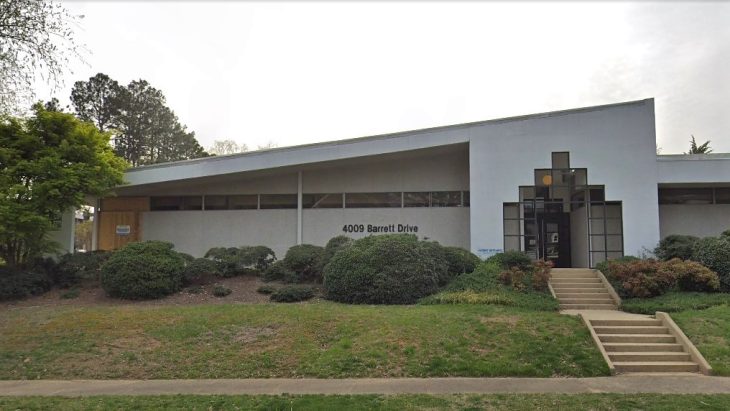
The Carter Clinic gives clients access to mental illness or addiction services in over 10 outpatient clinics. They also provide some services via telehealth. They treat a range of issues including autism spectrum disorders, schizophrenia, substance use disorders, anxiety and panic disorders and more. One of their sites is in Raleigh, North Carolina. It is staffed with board-certified psychiatrists, nurse practitioners, therapists and other specialists.
Here, they offer an opiate dependence treatment using buprenorphine. This program is sometimes called medication-assisted treatment or MAT. Buprenorphine is prescribed to help clients stop using heroin, pain medication or other opioids.
There are three main phases to this treatment program. Induction happens in the first one to two days where your body is introduced to the mediation. Then, the next phase is stabilization. This generally takes several weeks. The final stage is maintenance which continues as long as you need. You’ll discuss weaning off the medication with your provider when the time comes.
Individual, couples and/or family therapy is also part of their offerings. Combined with medication, psychotherapy can be a powerful way to leave addiction behind and begin a new recovery lifestyle. The couples and family sessions can be educational for family members and also promote healing of the relationship. They can also perform psychiatric assessments and get you a referral for psychological testing if needed.
The Carter Clinic accepts most insurance providers including Medicaid, Medicare, Tricare, Cigna, Blue Cross Blue Shield and others. They also accept self pay and have a sliding scale fee schedule for folks who don’t have coverage. Payment is due at time of service.
| Levels of Care | Detox Service Setting | Programs | Payment Options | |||
|---|---|---|---|---|---|---|
|
Outpatient
|
Dual diagnosis programs address substance use disorders and co-occurring mental health conditions simultaneously. This integrated approach to care improves the likelihood of long term recovery and stability by addressing the root causes of addiction. |
|||||
|
Outpatient detox gives you access to medically supervised withdrawal services while still allowing you to live at home. You’ll attend a clinic for treatment and monitoring. This flexible option is suitable for those with mild to moderate withdrawal symptoms who have strong support systems. |
Medication assisted treatment combines medication and counseling to manage withdrawal and reduce cravings for opioid and alcohol addiction. Medications may include methadone, buprenorphine or naltrexone. MAT is tailored to your needs so you can actively participate in your treatment journey. |
|||||
|
Adult programs address the substance use and life challenges specific to adults. Therapists can deliver sessions in individual, group, and family settings. Services often include job support and life-skills training in a structured environment.
|
Alcohol detox programs offer medical support to help individuals withdraw safely from alcohol. Your care team may use medications to ease your symptoms and provide medical monitoring to address complications.
|
Drug detox programs support individuals who are withdrawing from addictive substances like cocaine and heroin. Medical support helps you manage symptoms in a controlled and safe environment so you can achieve initial sobriety.
|
Men's programs address substance use while also considering the social pressures, family roles, and mental health concerns that are specific to men. You’ll learn healthy coping mechanisms as you build emotional resilience and develop communication skills.
|
Opioid detox uses medications to ease severe withdrawal symptoms. It also includes medical supervision to help you manage potential complications. These services allow you to stabilize and begin a recovery plan.
|
Women's programs offer a safe and supportive space to focus on gender-specific issues such as trauma, family roles, and mental health conditions. Therapists tailor the sessions to address women's needs and foster empowerment in a healing and nurturing environment.
|
Cognitive behavioral therapy focuses on changing harmful thought patterns and behaviors associated with addiction. You’ll learn healthier coping mechanisms by identifying and replacing negative thoughts. This improves your emotional resilience and decreases your relapse potential. |
|
Payment Assistance
|
Medicaid
|
Medicare
|
Military Insurance
|
Private Insurance
|
Self Pay
|
Levels of Care
Dual diagnosis programs address substance use disorders and co-occurring mental health conditions simultaneously. This integrated approach to care improves the likelihood of long term recovery and stability by addressing the root causes of addiction.
Detox Service Setting
Outpatient detox gives you access to medically supervised withdrawal services while still allowing you to live at home. You’ll attend a clinic for treatment and monitoring. This flexible option is suitable for those with mild to moderate withdrawal symptoms who have strong support systems.
Medication assisted treatment combines medication and counseling to manage withdrawal and reduce cravings for opioid and alcohol addiction. Medications may include methadone, buprenorphine or naltrexone. MAT is tailored to your needs so you can actively participate in your treatment journey.
Programs
Cognitive behavioral therapy focuses on changing harmful thought patterns and behaviors associated with addiction. You’ll learn healthier coping mechanisms by identifying and replacing negative thoughts. This improves your emotional resilience and decreases your relapse potential.
Amenities
Accreditations

Accepted Insurance

Contact


- Monday 8AM - 5PM
- Tuesday 8AM - 6:30PM
- Wednesday 8AM - 5PM
- Thursday 8AM - 6:30PM
- Friday 8AM - 5PM

Mari Mendoza is an Ontario-based writer and facilitator. She has close to 20 years of writing experience and has written web content for a wide range of topic including mental health. She holds an BA in English from University of Toronto.

Courtney Myers writes and edits professionally from her home in North Carolina. She holds an MS in Technical Communication from N.C. State University and has worked in proposal management, marketing, and online content creation. She specializes in creating resources related to behavioral health and addiction recovery.
Detox.com regularly reviews this listing for accuracy but changes may occur between updates. For the most up-to-date information, please contact The Carter Clinic, P.A..
Nearby Detox Centers


Search by North Carolina Cities
FAQs
Does The Carter Clinic offer medication-assisted treatment for opioid addiction?
Yes, The Carter Clinic in Raleigh provides medication-assisted treatment (MAT) for opioid use disorder. The facility offers buprenorphine (Suboxone) combined with counseling and therapy as part of outpatient treatment. Medication management is paired with individual or group counseling to address both the physical and behavioral aspects of opioid addiction.
What kind of detox and addiction treatment does The Carter Clinic provide?
The Carter Clinic is a CARF-accredited outpatient addiction treatment center specializing in opioid use disorder. The facility provides medication-assisted treatment, medication management, individual counseling, group therapy, and relapse prevention services. Treatment is available both in-person and via telehealth for eligible patients.
Does The Carter Clinic treat mental health conditions alongside substance use?
Yes, The Carter Clinic provides dual-diagnosis treatment for individuals with substance use disorders and co-occurring mental health conditions. The medical team addresses depression, anxiety, PTSD, bipolar disorder, and other mental health concerns as part of a comprehensive outpatient treatment plan.
What are the age and gender requirements for admission to The Carter Clinic?
The Carter Clinic serves adults 18 and older, including both men and women. The facility offers specialized outpatient programs tailored to different populations, with treatment focused on individual needs and co-occurring mental health or substance use concerns.
Can patients receive addiction treatment through telehealth at The Carter Clinic?
Yes, The Carter Clinic offers both in-person and telehealth appointments for eligible patients. Virtual appointments provide flexibility for individuals in the Raleigh area seeking outpatient addiction treatment and medication management without requiring in-person clinic visits.