800-262-4205
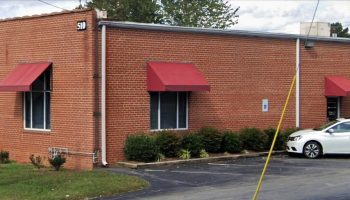
Charles George VA Medical Center Franklin VA Clinic

About Charles George VA Medical Center Franklin VA Clinic
The Charles George VA Medical Center Franklin VA Clinic is an outpatient mental health clinic in Franklin, North Carolina serving Veterans in the area. As a community based outpatient clinic within the VA Asheville Health Care system it provides mental health care including treatment for addiction and other behavioral health conditions.
What mental health and addiction services are available?
The clinic offers outpatient mental health care that includes individual therapy and group therapy for a range of conditions including substance use disorders. This location provides consultation, evaluation, and ongoing treatment with the ability to refer Veterans to additional VA Asheville services for detox and other intensive treatments.
Who can receive care at this clinic?
The Franklin VA Clinic serves Veterans enrolled in VA health care. Treatment is available for clients dealing with addiction and trauma, PTSD and depression, anxiety and bipolar disorder, schizophrenia and OCD, and related mental health concerns.
Where is the clinic located and when is it open?
The clinic is located at on Wayah Street in Franklin, North Carolina. It is open Monday through Friday from 7:30 a.m. to 4:00 p.m. and services are available by appointment only.
What does treatment cost?
Clinic visits are free for eligible Veterans. The VA also offers beneficiary travel support which may include transportation assistance, van services, or mileage reimbursement for those who qualify.
| Levels of Care | Detox Service Setting | Programs | Payment Options | ||||
|---|---|---|---|---|---|---|---|
|
Inpatient
|
Outpatient
|
Aftercare programs provide ongoing support once you complete a rehab program. They may include several components to help you maintain sobriety, including therapy, community support groups, and relapse-prevention strategies. This gives you a network of resources as you reintegrate into your daily life. |
Dual Diagnosis
|
An intervention is a structured and professionally guided conversation with an individual who is struggling with addiction. During the conversation, family and friends encourage the individual to seek treatment. This is often a pivotal step for those resistant to getting help. |
|||
|
Inpatient detox occurs in a dedicated treatment facility. You’ll live there around the clock and receive intensive medical support and supervision to help manage your withdrawal symptoms. It is suitable for individuals with moderate to severe addictions as it ensures a stable detox environment. |
Outpatient detox gives you access to medically supervised withdrawal services while still allowing you to live at home. You’ll attend a clinic for treatment and monitoring. This flexible option is suitable for those with mild to moderate withdrawal symptoms who have strong support systems. |
||||||
|
Adult programs address the substance use and life challenges specific to adults. Therapists can deliver sessions in individual, group, and family settings. Services often include job support and life-skills training in a structured environment.
|
Alcohol detox programs offer medical support to help individuals withdraw safely from alcohol. Your care team may use medications to ease your symptoms and provide medical monitoring to address complications.
|
Cognitive behavioral therapy focuses on changing harmful thought patterns and behaviors associated with addiction. You’ll learn healthier coping mechanisms by identifying and replacing negative thoughts. This improves your emotional resilience and decreases your relapse potential.
|
Men's programs address substance use while also considering the social pressures, family roles, and mental health concerns that are specific to men. You’ll learn healthy coping mechanisms as you build emotional resilience and develop communication skills.
|
Military / Veterans
|
Opioid detox uses medications to ease severe withdrawal symptoms. It also includes medical supervision to help you manage potential complications. These services allow you to stabilize and begin a recovery plan.
|
Senior programs address the unique needs of older adults like chronic pain, grief, and isolation. Programs include peer support and medical oversight for age-related health concerns. The goal is to improve quality of life and promote sober aging.
|
Women's programs offer a safe and supportive space to focus on gender-specific issues such as trauma, family roles, and mental health conditions. Therapists tailor the sessions to address women's needs and foster empowerment in a healing and nurturing environment.
|
|
Payment Assistance
|
Medicare
|
Military Insurance
|
Private Insurance
|
Self Pay
|
Levels of Care
Aftercare programs provide ongoing support once you complete a rehab program. They may include several components to help you maintain sobriety, including therapy, community support groups, and relapse-prevention strategies. This gives you a network of resources as you reintegrate into your daily life.
An intervention is a structured and professionally guided conversation with an individual who is struggling with addiction. During the conversation, family and friends encourage the individual to seek treatment. This is often a pivotal step for those resistant to getting help.
Detox Service Setting
Inpatient detox occurs in a dedicated treatment facility. You’ll live there around the clock and receive intensive medical support and supervision to help manage your withdrawal symptoms. It is suitable for individuals with moderate to severe addictions as it ensures a stable detox environment.
Outpatient detox gives you access to medically supervised withdrawal services while still allowing you to live at home. You’ll attend a clinic for treatment and monitoring. This flexible option is suitable for those with mild to moderate withdrawal symptoms who have strong support systems.
Programs
Accreditations


Contact



Kimberly Hawkins holds a Masters degree in Computing and Information Sciences from East Tennessee State University. She is also a freelance writer specializing in content related to mental health, addiction recovery, and overall wellness. On Valentine’s Day of 2024, Kimberly’s only sibling passed away of an accidental drug overdose. Since then, Kimberly has become a passionate advocate for addiction recovery awareness and support.
Detox.com regularly reviews this listing for accuracy but changes may occur between updates. For the most up-to-date information, please contact Charles George VA Medical Center Franklin VA Clinic.