

 800-262-4205
Chattanooga Recovery Center

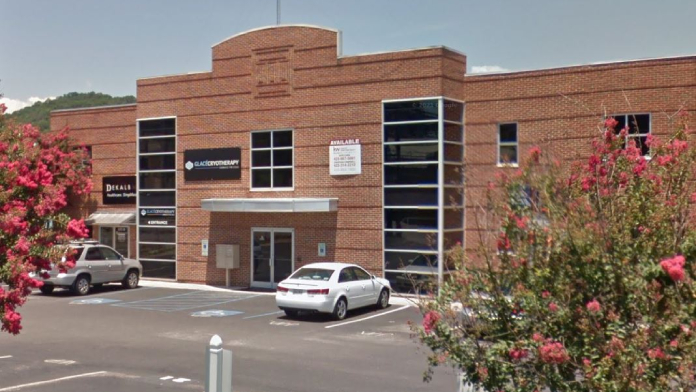
About Chattanooga Recovery Center
Chattanooga Recovery Center is a drug rehab in Tennessee that provides support to adults struggling with substance abuse and mental health issues. They accept most private insurance plans, along with self-pay options.
Medication Assisted Treatment (MAT) For Substance Abuse
You can benefit from MAT services designed to provide holistic support that accounts for your physical and mental health throughout the recovery process. FDA-approved Suboxone and Vivitrol are used to help you manage cravings and withdrawal symptoms, while ongoing therapy sessions give you space to discuss and unpack the psychological and emotional reality of addiction.
Outpatient Addiction Treatment in Southeastern Tennessee
Choose from various outpatient options, including partial hospitalization programming (PHP), and intensive outpatient programming (IOP). Both provide structured yet flexible support, without the commitment of inpatient care.
A specialized night outpatient option is also available for clients who work full-time, allowing them access to PHP and IOP during evening hours.
Alongside MAT, these programs feature various innovative treatment options, like brain mapping, equine therapy, trauma intervention models, and adventure-based counseling. The center has natural wood accents to encourage peace of mind and ample space for fellowship.
Location-wise, the facility is easily accessible on bus lines 16 and 2A. Ample on-site parking is also available for individuals who do choose to drive to sessions.
The center is also based near Renaissance Park, a peaceful space that provides an ideal backdrop for introspection and mindfulness practices. Similarly, Coolidge Park is also nearby, along with the Tennessee Riverwalk. They offer scenic paths and walking trails that are great spots for mindful movement and physical activities to support the recovery process.
| Levels of Care | Detox Service Setting | Programs | Payment Options |
|---|---|---|---|
|
Inpatient and residential programs provide round-the-clock medical and emotional support as you live at the treatment facility. This level of care may be recommended if you have severe addictions or mental health conditions since it removes outside distractions and allows you to focus solely on therapy. |
Night Outpatient Treatment is for someone who can’t devote full time to rehabilitation. That program is the outpatient option named here. |
Intensive Outpatient
|
|
|
Inpatient detox occurs in a dedicated treatment facility. You’ll live there around the clock and receive intensive medical support and supervision to help manage your withdrawal symptoms. It is suitable for individuals with moderate to severe addictions as it ensures a stable detox environment. |
Outpatient detox gives you access to medically supervised withdrawal services while still allowing you to live at home. You’ll attend a clinic for treatment and monitoring. This flexible option is suitable for those with mild to moderate withdrawal symptoms who have strong support systems. |
||
|
Alcohol detox programs offer medical support to help individuals withdraw safely from alcohol. Your care team may use medications to ease your symptoms and provide medical monitoring to address complications.
|
Drug detox programs support individuals who are withdrawing from addictive substances like cocaine and heroin. Medical support helps you manage symptoms in a controlled and safe environment so you can achieve initial sobriety.
|
||
|
Private Insurance
|
Self Pay
|
Levels of Care
Inpatient and residential programs provide round-the-clock medical and emotional support as you live at the treatment facility. This level of care may be recommended if you have severe addictions or mental health conditions since it removes outside distractions and allows you to focus solely on therapy.
Night Outpatient Treatment is for someone who can’t devote full time to rehabilitation. That program is the outpatient option named here.
Detox Service Setting
Inpatient detox occurs in a dedicated treatment facility. You’ll live there around the clock and receive intensive medical support and supervision to help manage your withdrawal symptoms. It is suitable for individuals with moderate to severe addictions as it ensures a stable detox environment.
Outpatient detox gives you access to medically supervised withdrawal services while still allowing you to live at home. You’ll attend a clinic for treatment and monitoring. This flexible option is suitable for those with mild to moderate withdrawal symptoms who have strong support systems.
Programs
Contact


Detox.com regularly reviews this listing for accuracy but changes may occur between updates. For the most up-to-date information, please contact Chattanooga Recovery Center.
Nearby Detox Centers
Search by Tennessee Cities
FAQs
What levels of care does Chattanooga Recovery Center offer?
A partial hospitalization program offers a structured stay with care around the clock. The intensive outpatient program is less restrictive than that partial hospitalization program. Night Outpatient Treatment is for someone who can’t give full time to rehabilitation. Primary mental health care is offered along with addiction treatment.
How do the partial hospitalization and outpatient programs differ?
Partial hospitalization is a structured stay, and care is available around the clock. Intensive outpatient therapy sessions and other activities run in a less restrictive setting than partial hospitalization. Night Outpatient Treatment fits someone who can’t give rehabilitation the full day.
Which insurers does Chattanooga Recovery Center work with?
Most major insurance providers are accepted at this Chattanooga center. Aetna and Cigna are named, along with UnitedHealthcare, Optum, Humana, Beacon, MultiPlan and BlueCross BlueShield as well.
Who on the care team has personal experience of substance use?
Many team members are people in recovery. They can personally identify with patients because they’ve been through substance use themselves. That identification comes from the team’s own experience, and it sits with the care they give.
What therapies and medication support are part of treatment?
Group therapy, family therapy and individual therapy are offered to all patients. Brain mapping relies on neurofeedback. The approach is non-invasive and is used to show thoughts and behaviors tied to addiction. Medication-assisted treatment is generally reserved for serious cravings and withdrawal symptoms related to a drug addiction.