

 800-262-4205
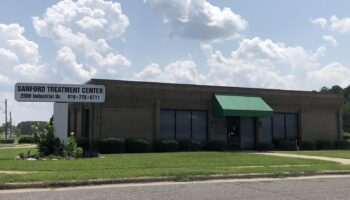
Coastal Horizons Center Brunswick Office

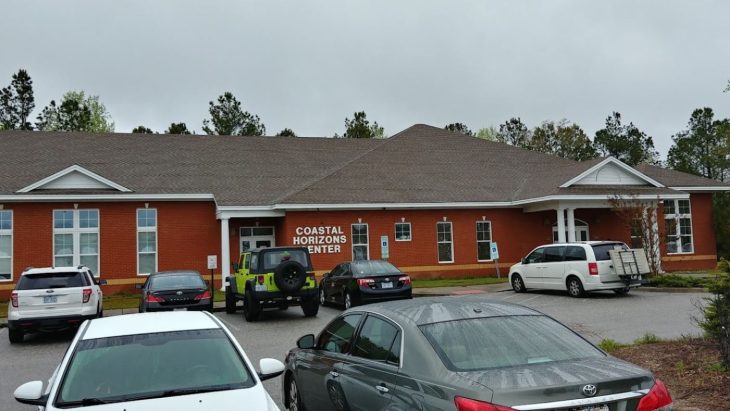
About Coastal Horizons Center Brunswick Office
You’ll find Coastal Horizons Center Brunswick in Shallotte, North Carolina, about 40 miles southwest of Wilmington. As one of Coastal Horizon’s three largest outpatient facilities, they provide addiction and mental health disorder care for Eastern North Carolina residents. You can participate in intensive and comprehensive outpatient programs (SACOT) as well as medication assisted treatment (MAT).
Medication Assisted Treatment in Shallotte
One great thing I noticed was their opioid treatment program. They offer MAT with buprenorphine or methadone. These FDA approved medications can help you manage the physical symptoms of quitting opioids while getting to the root of addiction. Along with daily medication dispensing, you’ll participate in group and individual counseling, peer support services, medication management, and more.
Mobile Clinics
What stands out most to me is their mobile clinics. They bring support and treatment to you, with mobile services available in Columbus, Bladen, and Brunswick counties. You can access substance use and mental health assessments, individual therapy, MAT, psychiatric medication management, and peer support services. Mobile services are available Monday through Friday from 10 a.m. to 3 p.m.
Veteran Services
Another standout feature was their Veterans program. They partner with Save a Vet Now to connect local Veterans to outpatient services. This program has a special account to cover private pay costs and copays not covered by other funding sources. You’ll benefit from access to specialized care without worrying about treatment costs.
DWI Telehealth Services
I also think their DWI services seem beneficial. You can participate in assessments as well as group and individual sessions in their fully licensed program. One awesome part is that you can access these services virtually from the comfort of your home.
| Levels of Care | Detox Service Setting | Programs | Payment Options | |||||
|---|---|---|---|---|---|---|---|---|
|
SACOT runs 16 weeks with group, individual and family therapy plus case management, offered daily for four hours in the Brunswick office. |
SAIOP, the intensive outpatient program, combines structured group, individual and family addiction treatment sessions across New Hanover, Brunswick and Pender counties. |
Aftercare programs provide ongoing support after you complete a rehab program. They may include several components to help you maintain sobriety including therapy, community support groups and relapse prevention strategies. This gives you a network of resources as you reintegrate into your daily life. |
||||||
|
Outpatient detox gives you access to medically supervised withdrawal services while still allowing you to live at home. You’ll attend a clinic for treatment and monitoring. This flexible option is suitable for those with mild to moderate withdrawal symptoms who have strong support systems. |
Through the Opioid Treatment Program, Coastal Horizons Center offers methadone and buprenorphine treatment for opioid use disorder in Brunswick County. |
|||||||
|
Adults ages 18 and older attend a 12 week program of group, individual and family therapy with case management. |
Alcohol detox programs offer medical support to help individuals withdraw safely from alcohol. Your care team may use medications to ease your symptoms and provide medical monitoring to address complications.
|
Drug detox programs support individuals who are withdrawing from addictive substances like cocaine and heroin. Medical support helps you manage symptoms in a controlled and safe environment so you can achieve initial sobriety.
|
Men's programs address substance use while also considering the social pressures, family roles, and mental health concerns that are specific to men. You’ll learn healthy coping mechanisms as you build emotional resilience and develop communication skills.
|
Opioid detox uses medications to ease severe withdrawal symptoms. It also includes medical supervision to help you manage potential complications. These services allow you to stabilize and begin a recovery plan.
|
Women's programs offer a safe and supportive space to focus on gender-specific issues such as trauma, family roles, and mental health conditions. Therapists tailor the sessions to address women's needs and foster empowerment in a healing and nurturing environment.
|
Young adult programs are designed for individuals who are transitioning into adulthood. Topics of discussion typically include identity, independence, and peer relationships. Providers may also offer life-skills training and career support.
|
Specialized programming includes Adolescents and Their Parents, a track built for teens and their parents together. |
Cognitive behavioral therapy focuses on changing harmful thought patterns and behaviors associated with addiction. You’ll learn healthier coping mechanisms by identifying and replacing negative thoughts. This improves your emotional resilience and decreases your relapse potential. |
|
Payment Assistance
|
Medicaid
|
Medicare
|
Military Insurance
|
Private Insurance
|
Self Pay
|
Sliding Scale Payment
|
Levels of Care
SACOT runs 16 weeks with group, individual and family therapy plus case management, offered daily for four hours in the Brunswick office.
SAIOP, the intensive outpatient program, combines structured group, individual and family addiction treatment sessions across New Hanover, Brunswick and Pender counties.
Aftercare programs provide ongoing support after you complete a rehab program. They may include several components to help you maintain sobriety including therapy, community support groups and relapse prevention strategies. This gives you a network of resources as you reintegrate into your daily life.
Detox Service Setting
Outpatient detox gives you access to medically supervised withdrawal services while still allowing you to live at home. You’ll attend a clinic for treatment and monitoring. This flexible option is suitable for those with mild to moderate withdrawal symptoms who have strong support systems.
Through the Opioid Treatment Program, Coastal Horizons Center offers methadone and buprenorphine treatment for opioid use disorder in Brunswick County.
Programs
Adults ages 18 and older attend a 12 week program of group, individual and family therapy with case management.
Specialized programming includes Adolescents and Their Parents, a track built for teens and their parents together.
Cognitive behavioral therapy focuses on changing harmful thought patterns and behaviors associated with addiction. You’ll learn healthier coping mechanisms by identifying and replacing negative thoughts. This improves your emotional resilience and decreases your relapse potential.
Accepted Insurance
Contact


- Monday 8AM - 5PM
- Tuesday 8AM - 5PM
- Wednesday 8AM - 5PM
- Thursday 8AM - 5PM
- Friday 8AM - 5PM

Mariah Bourne earned a Master of Arts in Community Social Psychology from the University of Massachusetts Lowell. She has worked as a research associate on addiction and treatment studies, including opioid craving interventions. Today, she is a freelance writer. She’s passionate about sharing knowledge and resources to help others start their recovery journey.

Peter W.Y. Lee is a historian with a focus in American Cold War culture. He has examined how popular culture has served as a coping mechanism for the challenges and changes impacting American society throughout the twentieth century.
Detox.com regularly reviews this listing for accuracy but changes may occur between updates. For the most up-to-date information, please contact Coastal Horizons Center Brunswick Office.
Nearby Detox Centers
Search by North Carolina Cities
FAQs
What medications does Coastal Horizons Center use for opioid treatment?
The Opioid Treatment Program at the Shallotte location includes methadone and buprenorphine. Both medications are used in treatment for opioid use disorder in the eastern region of North Carolina.
What levels of care are available at this location?
Care here is outpatient. Options include the SAIOP intensive outpatient program, the 16 week SACOT program, and an Opioid Treatment Program with methadone and buprenorphine.
How long do the outpatient programs last?
SACOT runs 16 weeks and meets daily for four hours each day in the Brunswick office. The SAIOP intensive outpatient program combines structured group, individual and family addiction treatment.
Does Coastal Horizons Center accept Medicaid?
Yes. Medicaid is accepted, and state funding is accepted too. Fees are affordably based on a sliding scale, so costs adjust to each client’s situation.
Who can attend these treatment programs?
The 12 week program serves people ages 18 and older. It combines therapy in group, individual and family settings with case management that connects clients to community resources.