800-262-4205
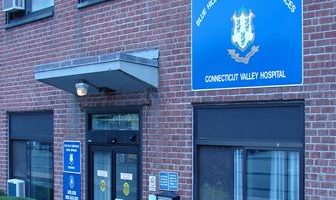
Health Care Resource Centers Hartford


About Health Care Resource Centers Hartford
Health Care Resource Centers Hartford is a federally certified and CARF accredited outpatient treatment center specializing in detox and medication assisted treatment for opioid use disorder. The program offers evidence based MAT with methadone and buprenorphine which is supported by individual, group, and family counseling.
Detox for Opioid Use Disorder
HCRC Hartford’s core focus is providing methadone maintenance and buprenorphine treatment for adults, young adults, and pregnant or postpartum women struggling with opioid addiction. The program delivers daily medication dosing combined with mandatory individual counseling and optional group support.
Treatment includes medical assessments, substance use counseling, and relapse prevention strategies using cognitive behavioral therapy, contingency management, and community reinforcement approaches. Early morning dosing hours starting at 6:30 AM.
Case Management and Wraparound Services
Beyond medication and counseling, HCRC Hartford offers integrated case management addressing housing, employment, transportation, legal needs, and community resource connections.
The program also provides HIV/AIDS screening, Narcan overdose prevention training, domestic violence support, and treatment for co-occurring mental health and pain disorders.
Getting Started with Treatment
HCRC Hartford serves Hartford, Middletown, Meriden, New Haven and surrounding Connecticut areas and offers over three decades of CARF accredited care and SAMHSA certification. The program accepts Medicare, Medicaid, most private insurance, VA Community Care Network, and self pay options with payment plans available.
| Levels of Care | Detox Service Setting | Programs | Payment Options | Medications Offered |
|---|---|---|---|---|
|
In outpatient therapy, you’ll attend therapy sessions several times each week while living at home. This is ideal if you have a strong support system and a lower risk of relapse. Outpatient treatment offers flexibility to maintain work, school or family obligations. |
Aftercare programs provide ongoing support after you complete a rehab program. They may include several components to help you maintain sobriety including therapy, community support groups and relapse prevention strategies. This gives you a network of resources as you reintegrate into your daily life. |
|||
|
Outpatient detox gives you access to medically supervised withdrawal services while still allowing you to live at home. You’ll attend a clinic for treatment and monitoring. This flexible option is suitable for those with mild to moderate withdrawal symptoms who have strong support systems. |
Medication assisted treatment combines medication and counseling to manage withdrawal and reduce cravings for opioid and alcohol addiction. Medications may include methadone, buprenorphine or naltrexone. MAT is tailored to your needs so you can actively participate in your treatment journey. |
|||
|
Adult programs address the substance use and life challenges specific to adults. Therapists can deliver sessions in individual, group and family settings. Services often include job support and life skills training in a structured environment.
|
Women's programs offer a safe and supportive space to focus on gender specific issues such as trauma, family roles and mental health conditions. Therapists tailor the sessions to address women's needs and foster empowerment in a healing and nurturing environment.
|
Men's programs address substance use while also considering the social pressures, family roles and mental health concerns that are specific to men. You’ll learn healthy coping mechanisms as you build emotional resilience and develop communication skills.
|
||
|
Self Pay
|
Medicaid
|
State Family Services
|
Private Insurance
|
|
|
Methadone
|
Buprenorphine
|
Naltrexone (Vivitrol)
|
Levels of Care
In outpatient therapy, you’ll attend therapy sessions several times each week while living at home. This is ideal if you have a strong support system and a lower risk of relapse. Outpatient treatment offers flexibility to maintain work, school or family obligations.
Aftercare programs provide ongoing support after you complete a rehab program. They may include several components to help you maintain sobriety including therapy, community support groups and relapse prevention strategies. This gives you a network of resources as you reintegrate into your daily life.
Detox Service Setting
Outpatient detox gives you access to medically supervised withdrawal services while still allowing you to live at home. You’ll attend a clinic for treatment and monitoring. This flexible option is suitable for those with mild to moderate withdrawal symptoms who have strong support systems.
Medication assisted treatment combines medication and counseling to manage withdrawal and reduce cravings for opioid and alcohol addiction. Medications may include methadone, buprenorphine or naltrexone. MAT is tailored to your needs so you can actively participate in your treatment journey.
Programs
Medications Offered
Amenities
Accreditations


Accepted Insurance



Contact


- Saturday 6:30AM - 12:30PM
- Sunday Closed

Kimberly Hawkins holds a Masters degree in Computing and Information Sciences from East Tennessee State University. She is also a freelance writer specializing in content related to mental health, addiction recovery, and overall wellness. On Valentine’s Day of 2024, Kimberly’s only sibling passed away of an accidental drug overdose. Since then, Kimberly has become a passionate advocate for addiction recovery awareness and support.
Detox.com regularly reviews this listing for accuracy but changes may occur between updates. For the most up-to-date information, please contact Health Care Resource Centers Hartford.