860-294-9332
Stonington Institute
North Stonington, CT
06359
Hartford, CT’s addiction crisis is worsening by the year, just like many other major cities in the United States. The City of Dreams is struggling with prescription and illicit drug abuse among its citizens, and treatment is often necessary. It is usually beneficial for recovering addicts to begin with detox treatment, which helps them overcome their withdrawal symptoms safely.
We can help you or your loved one begin addiction recovery as safely as possible. Call 860-980-1339 today to find the best drug and alcohol detox centers in Hartford, CT, and let us match you with the safest, most effective facilities for your detoxification and early recovery.

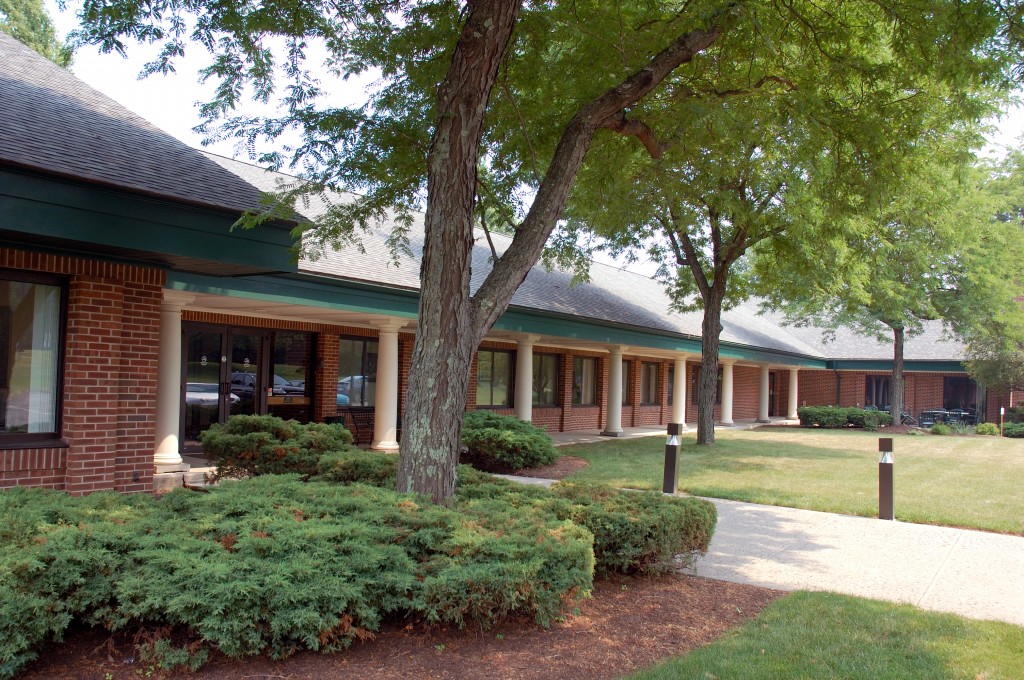
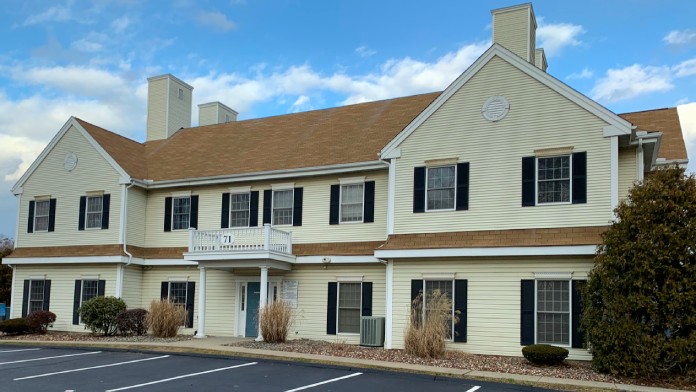
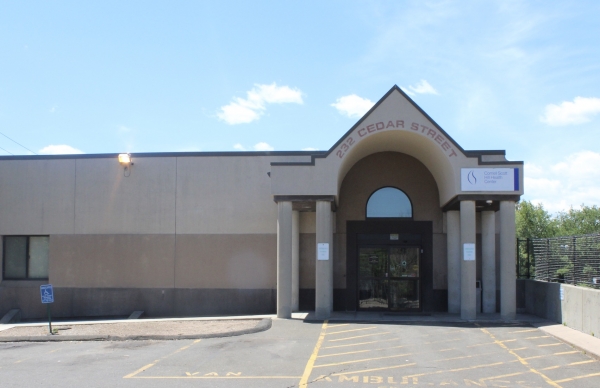
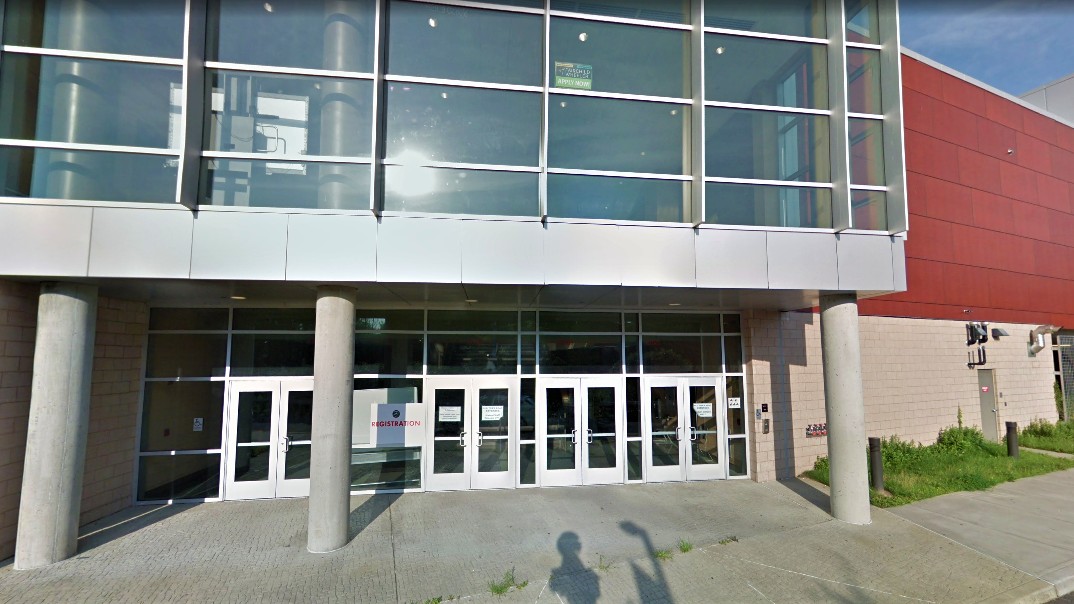
| Name | Address | Detox Service Setting | Levels Of Care | Media |
|---|---|---|---|---|
Blue Hills Treatment Center |
500 Vine Street Hartford, CT 06112 |
Detox Service Setting
Hospital DetoxOutpatient DetoxInpatient Detox
|
Levels Of Care
OutpatientPHPInpatient+1
|
|
Health Care Resource Centers Hartford |
55 Fishfry Street Hartford, CT 06120 |
Detox Service Setting
Outpatient DetoxMAT
|
Levels Of Care
OutpatientAftercare
|

|
Connecticut Addiction Medicine Hartford |
330 Main St Hartford, CT 06106 |
Detox Service Setting
Inpatient DetoxOutpatient Detox
|
Levels Of Care
InpatientOutpatient
|
|
Institute of Living |
200 Retreat Avenue Hartford, CT 06102 |
Detox Service Setting
|
Levels Of Care
|
|
InterCommunity Healthcare – Withdrawal Management |
500 Blue Hills Avenue Hartford, CT 06112 |
Detox Service Setting
|
Levels Of Care
|
|
Wheeler Clinic |
43 Woodland Street Hartford, CT 06105 |
Detox Service Setting
Inpatient DetoxOutpatient DetoxMAT
|
Levels Of Care
InpatientOutpatientDual Diagnosis
|
|
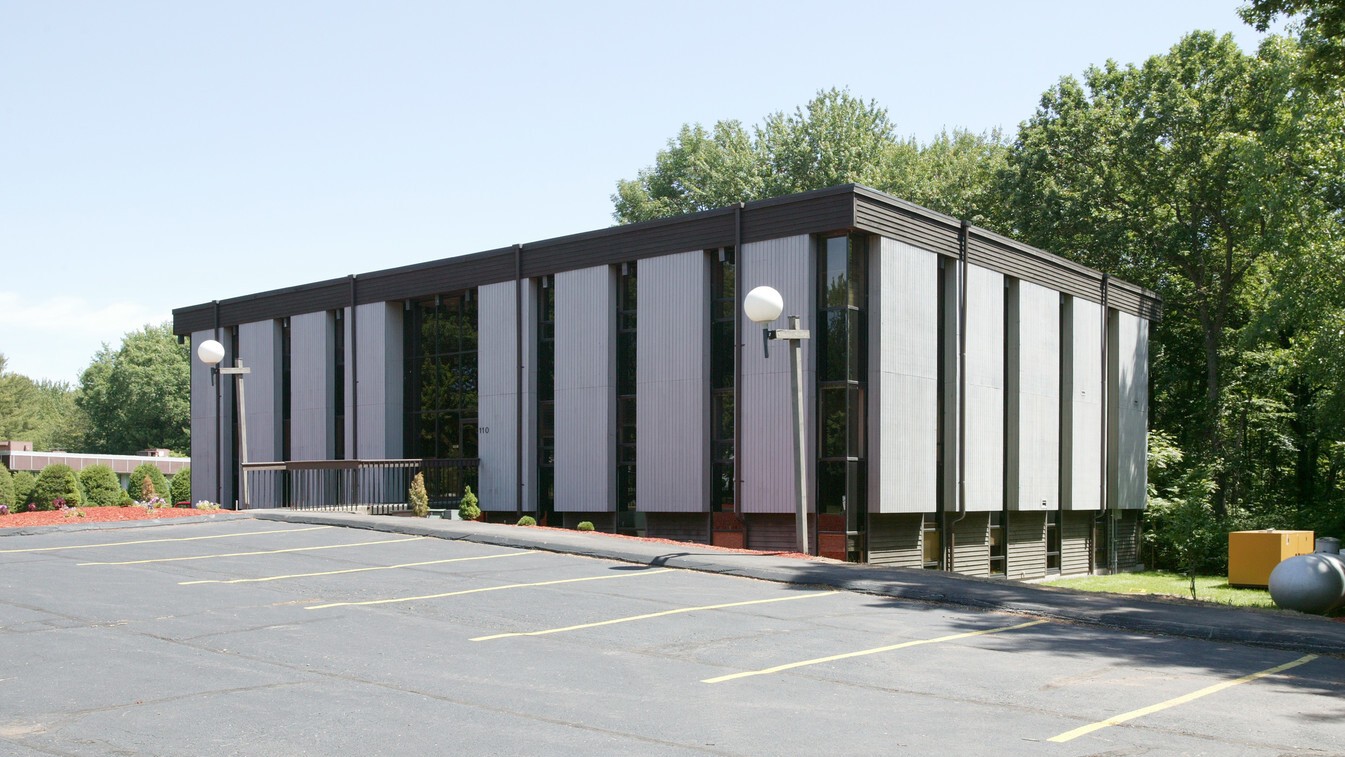
Rushford |
110 National Drive Glastonbury, CT 06033 |
Detox Service Setting
Outpatient DetoxInpatient DetoxMAT
|
Levels Of Care
OutpatientDual DiagnosisInpatient+2
|

|
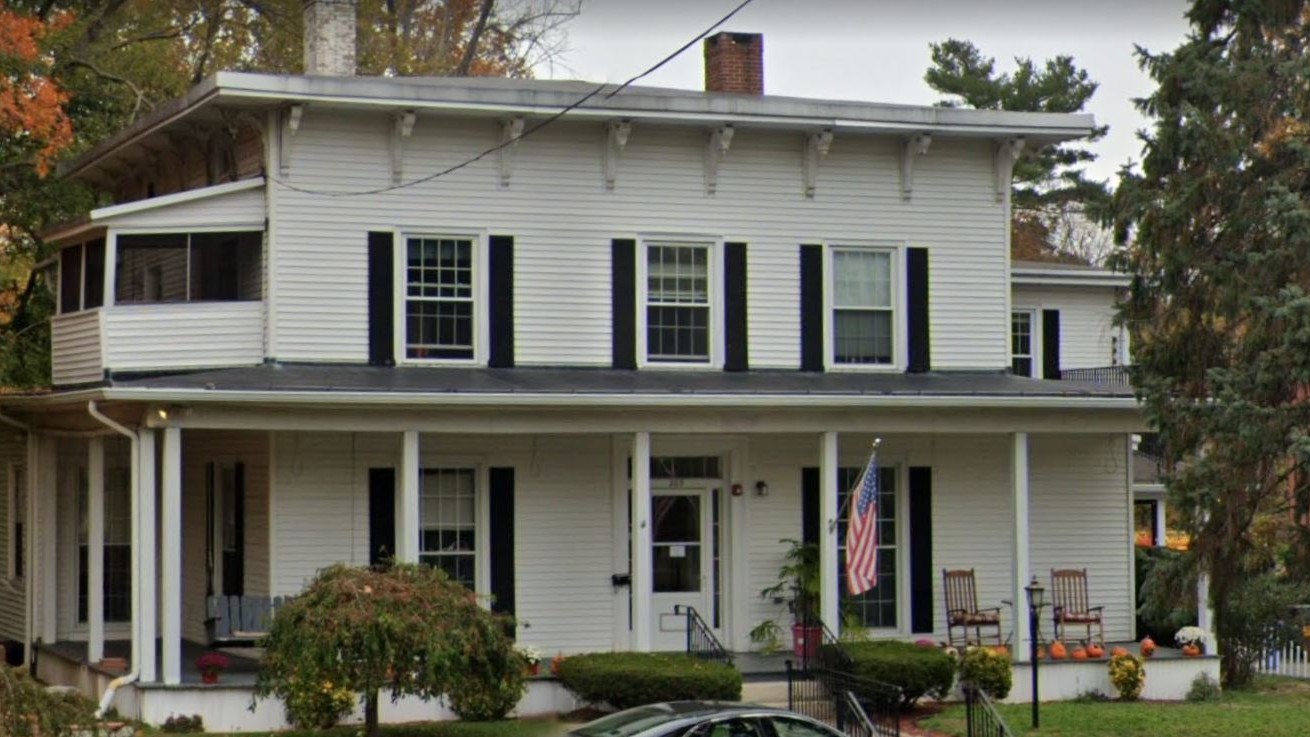
InterCommunity Addiction Recovery Clayton House |
203 Williams Street East Glastonbury, CT 06033 |
Detox Service Setting
Inpatient Detox
|
Levels Of Care
InpatientAftercareDual Diagnosis+1
|

|
Root Center—Manchester |
335 Broad Street Manchester, CT 06040 |
Detox Service Setting
Outpatient DetoxMAT
|
Levels Of Care
InpatientOutpatientAftercare
|

|
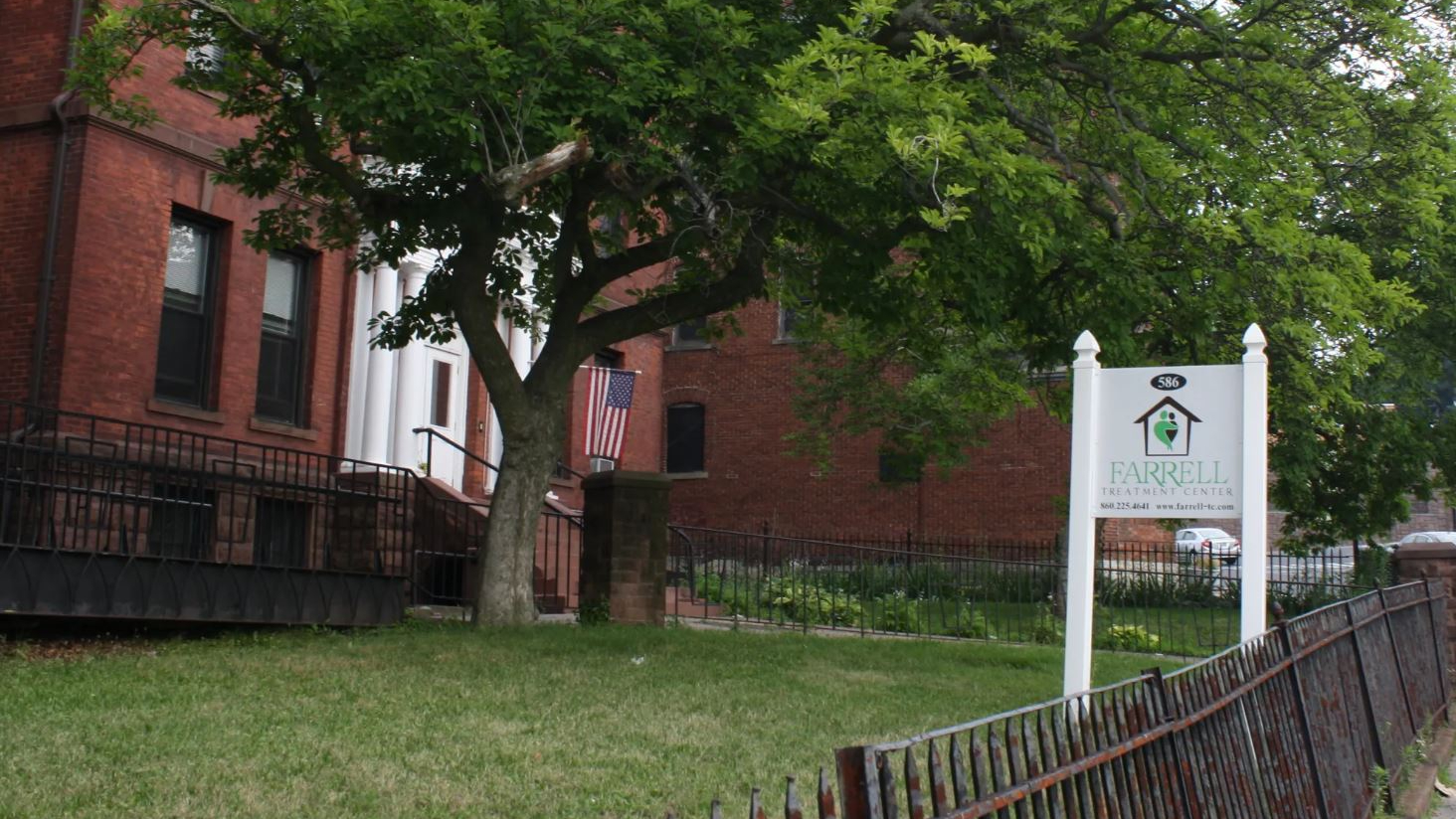
Farrell Treatment Center |
586 Main Street New Britain, CT 06051 |
Detox Service Setting
Inpatient DetoxOutpatient Detox
|
Levels Of Care
InpatientOutpatientDual Diagnosis
|

|
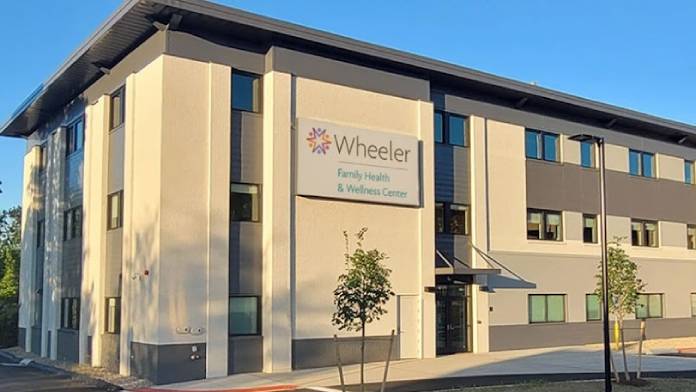
Wheeler Health – New Britain Family Health and Wellness Center |
40 Hart St New Britain, CT 06052 |
Detox Service Setting
Inpatient DetoxOutpatient Detox
|
Levels Of Care
InpatientOutpatient
|

|
Connecticut Valley Hospital |
1000 Silver Street Middletown, CT 06457 |
Detox Service Setting
Inpatient DetoxMAT
|
Levels Of Care
InpatientPHPOutpatient+1
|

|
Connecticut Valley Hospital Addiction Services |
1000 Silver Street Middletown, CT 06457 |
Detox Service Setting
Inpatient Detox
|
Levels Of Care
InpatientDual Diagnosis
|
|
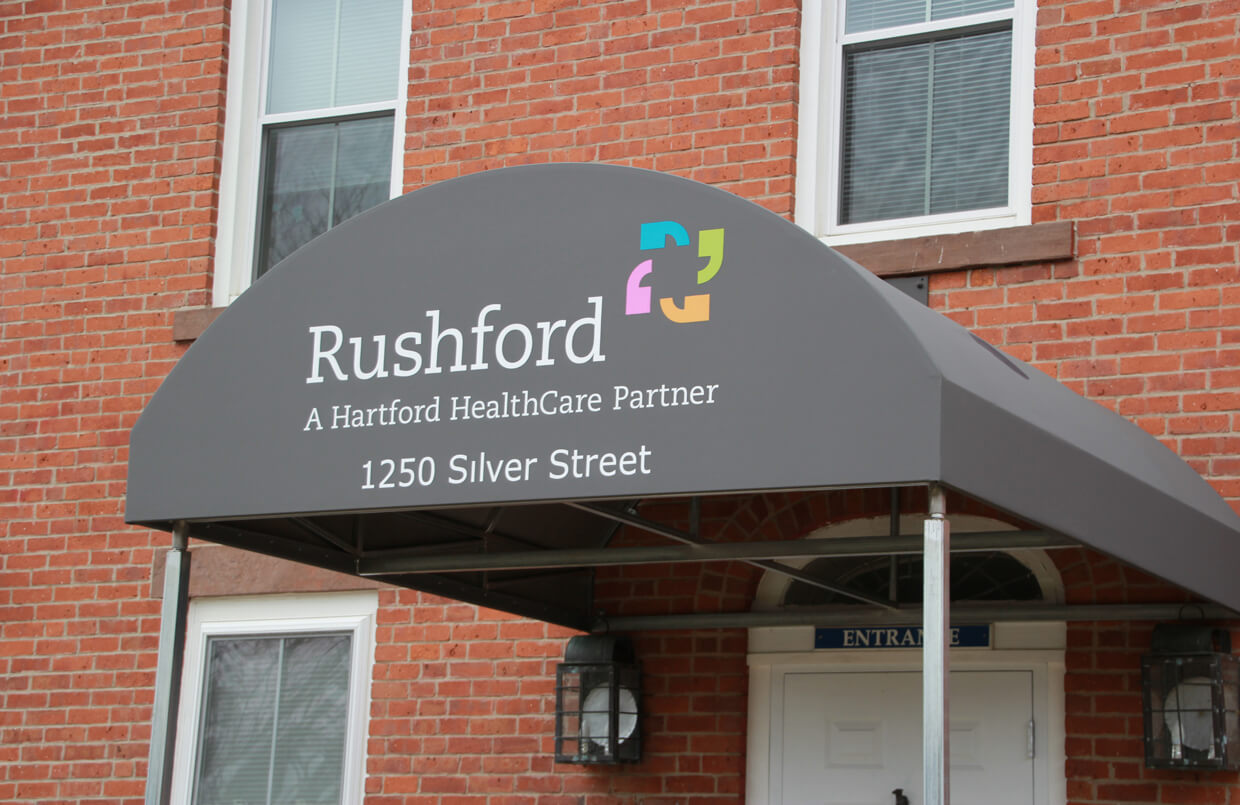
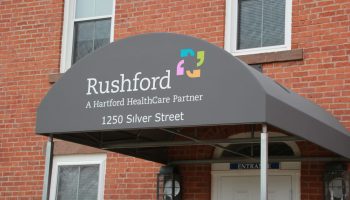
Rushford |
1250 Silver Street Middletown, CT 06457 |
Detox Service Setting
Outpatient DetoxMAT
|
Levels Of Care
OutpatientPHPDual Diagnosis
|
|
Wheeler Clinic Outpatient Mental Health |
One Hope Street Bristol, CT 06010 |
Detox Service Setting
Outpatient Detox
|
Levels Of Care
OutpatientDual DiagnosisIntensive Outpatient
|

|
Hartford sits at the center of Connecticut’s addiction treatment infrastructure. The state’s two primary regulatory bodies, the Connecticut Department of Mental Health and Addiction Services (DMHAS) and the Connecticut Department of Public Health (DPH), share oversight of the city’s detox and substance use disorder facilities.
DMHAS serves as the lead agency for prevention and treatment funding statewide. While DPH issues the facility licenses required for detox programs to operate. Any new or expanded residential detox program must also obtain a Certificate of Need through the Connecticut Office of Health Strategy before opening.
Hartford is one of four cities identified by DMHAS as having the highest overdose burden in Connecticut, alongside Waterbury, New Haven and New London.
This designation has made the city a priority for expanded harm reduction resources and opioid settlement funding through the state’s Opioid Settlement Advisory Committee (OSAC). In fact, Connecticut expects to receive approximately $600 million from pharmaceutical settlements over 18 years, and Hartford-area providers are among those receiving early investments in MAT access and recovery community centers.
People seeking publicly funded detox in Hartford can call the DMHAS 24/7 Access Line, which connects callers to residential detox statewide and can arrange transportation to approved facilities. Beds at these publicly funded programs operate on a first-come, first-served basis, so calling ahead is strongly recommended.
Connecticut’s Good Samaritan Law (CGS § 52-557b) provides civil immunity to anyone who administers naloxone in good faith during a suspected opioid overdose. This protection extends to bystanders, family members and community volunteers throughout the Hartford area.
Finding a detox program in Hartford is only part of the process. Understanding what it will cost and what your coverage actually includes can make the difference between starting care immediately or facing unexpected delays.
Whether you are privately insured, covered by Medicaid or uninsured, Hartford offers publicly funded and sliding-scale options that can help to reduce out-of-pocket costs significantly.
Connecticut is one of the more expensive states for inpatient addiction treatment, ranking 47th nationally for residential rehab affordability.
Costs vary based on level of care, length of stay, medical complexity and whether the facility is private or nonprofit. Urban facilities in Hartford generally charge at or above state averages for comparable services.
Connecticut law requires certain health insurance policies to directly cover medically necessary inpatient detoxification services for people diagnosed with a substance use disorder (CGS §§ 38a-492p and 38a-518p, as amended in 2017).
Additionally, a 2019 state law further prohibits insurers from applying prior authorization restrictions to substance use disorder benefits in ways that differ substantially from how they apply those restrictions to medical and surgical benefits. The Connecticut Insurance Department oversees compliance with these requirements.
Residents can verify in-network coverage and plan details through Access Health CT, the state’s official marketplace.
The most widely held commercial insurance plans in Hartford include:


Medicare covers inpatient and outpatient detox and substance use disorder treatment in Hartford. Part B covers opioid treatment program (OTP) services, including methadone and buprenorphine, at federally certified providers. Root Center for Advanced Recovery, Hartford’s largest MAT provider, accepts Medicare across its Hartford locations. Copays, deductibles, and coverage details vary by plan and treatment setting.
Connecticut’s Medicaid program, HUSKY Health, covers detoxification, residential treatment, outpatient services and all FDA-approved medications for opioid use disorder, including methadone, buprenorphine/naloxone (Suboxone) and naltrexone (Vivitrol).
Under HUSKY A, C, and D, there are generally no copays for substance use treatment services, and enrollees do not need a referral to access addiction treatment.
For adults who earn too much to qualify for HUSKY but still have limited income, the Covered Connecticut Program provides free health coverage, including SUD treatment, through Access Health CT with no premiums, deductibles or copays.
Other ways to pay for rehab in Hartford include:

InterCommunity Health Care’s Detoxification Center bases fees on income for those who do not qualify for free services.
Connecticut’s OSAC has approved grants to expand same-day MAT access at outpatient opioid treatment programs statewide, reducing cost barriers for Hartford-area residents.
Hartford-area VA resources can connect eligible veterans to covered detox and SUD treatment services.
Root Center for Advanced Recovery (formerly Hartford Dispensary) accepts HUSKY Health, Medicare and multiple private insurance plans across its Hartford locations.
Connecticut’s regulatory structure for detox and substance use disorder treatment involves multiple agencies with distinct roles. For this reason, knowing who sets the rules helps people evaluate whether a program meets state standards.
Providers offering medication-assisted detox in Hartford are subject to both state and federal oversight requirements.
DMHAS is the primary state authority for behavioral health licensing, compliance inspections and SUD treatment funding. Facilities receiving DMHAS funding or seeking to serve Medicaid enrollees must maintain a valid DMHAS certification and comply with staffing ratios and reporting requirements.
DPH issues the facility license required for any residential detoxification program operating in Connecticut. Facilities must demonstrate a medically supervised environment for managing withdrawal symptoms safely before licensure is granted.
Residential detox facilities and programs that add or expand services in Connecticut generally require a Certificate of Need from OHS before construction or service changes.
Root Center for Advanced Recovery, operating multiple Hartford locations under the trade name of The Hartford Dispensary, is the city’s largest MAT provider. The organization offers a full range of FDA-approved medications for opioid use disorder alongside individual counseling, group therapy and peer support services.
Hartford HealthCare’s Institute of Living also provides MAT as part of inpatient and outpatient treatment programs.
MAT medications available at Hartford-area opioid treatment programs include:
Available in sublingual film, subdermal implant, and extended-release injectable form at Root Center locations
Dispensed through federally certified opioid treatment programs, including Root Center’s Hartford dispensary clinics
Offered orally and as a monthly injectable at multiple Hartford providers
Hartford has some of the most developed harm reduction infrastructure in Connecticut, a direct result of the city’s sustained position as one of the highest-overdose-burden municipalities in the state.
Naloxone distribution, syringe services and peer outreach programs operate throughout Hartford’s neighborhoods and can connect people to detox and treatment when they are ready. For people managing active opioid use while considering next steps, these resources provide a bridge. Opioid withdrawal and detox can begin at any point, and harm reduction services are a low-barrier entry point.
ACT’s Hartford SSP operates a mobile van running through the South End and North End neighborhoods five days per week during morning and afternoon hours.
Importantly, the program removes more than 200,000 used needles from Hartford streets and surrounding towns annually. Staff also provide warm referrals to detox and treatment programs for clients who express interest.
GHHRC operates “557 The Drop,” a low-threshold drop-in center in Hartford that averages 75 to 110 visits per day Monday through Friday and 35 to 50 on weekends.
Crucially, staff distributed 4,379 naloxone kits and documented 1,177 overdose reversals in a recent reporting period. The coalition is one of four harm reduction sites DMHAS expanded under its opioid response initiative, using state appropriations to increase reach in Hartford.
CHRA operates a mobile outreach van providing free harm reduction supplies across Hartford.
The organization maintains a physical storefront in Hartford and partners with DMHAS and the Hartford Health Department on naloxone availability and overdose prevention research.
DMHAS designated Hartford as one of four priority municipalities for expanded Harm Reduction Center services, alongside Waterbury, New Haven and New London.
The center operates with opioid settlement and state appropriation funding and can connect individuals directly to the DMHAS 24/7 Access Line for residential detox placement.
Hartford County has carried one of the heaviest overdose burdens in Connecticut for years, though recent data show the city and state are making measurable progress.
The declines are attributed in part to expanded naloxone saturation, harm reduction center investment and increased MAT access supported by opioid settlement funding.
Hartford saw a 33% decline in overdose deaths in 2024 compared to 2023, outpacing the statewide 26% decline reported by the Connecticut Department of Public Health.
Connecticut distributed close to 60,000 naloxone kits in 2024, exceeding the state’s own saturation goal for the year. Hartford was among the highest-priority cities for distribution.
InterCommunity Health Care’s Detoxification Center at 500 Blue Hills Avenue offers free detox for those who qualify financially, with a sliding-scale fee structure for others. You can also call the DMHAS 24/7 Access Line, which connects callers anywhere in Connecticut to residential detox programs and can arrange transportation.
Arrive prepared to provide proof of Connecticut residency and income documentation for publicly funded programs.
The DMHAS Access Line is a statewide phone line operating 24 hours a day, 7 days a week that links individuals to residential detox programs across Connecticut, including Hartford-area facilities.
The line can prioritize transportation to detox for those who need it. It does not require insurance and is available to any Connecticut resident seeking substance use treatment.
Connecticut law (CGS § 52-557b) grants civil immunity to anyone who provides emergency assistance, including administering naloxone, in a good-faith effort to help someone experiencing a suspected opioid overdose.
The law covers both trained professionals and bystanders. It does not protect against existing criminal charges or warrants unrelated to the overdose situation.
Detox addresses physical withdrawal and stabilization, but it is not a treatment for the underlying substance use disorder.
After completing detox, most people benefit from transitioning into inpatient or residential treatment or an intensive outpatient program for ongoing counseling and relapse prevention support.
Root Center for Advanced Recovery can bridge people from detox directly into outpatient MAT with counseling. The DMHAS Access Line can also help arrange a post-detox placement.
Hartford HealthCare’s Institute of Living provides medically supervised detox alongside psychiatric evaluation and treatment, making it a strong option for people with co-occurring mental health conditions.
In fact, several Hartford-area outpatient programs, including Root Center for Advanced Recovery, integrate behavioral health services into MAT programs.
When evaluating providers, ask whether they offer integrated assessment for both substance use and mental health conditions at the time of admission.
Xylazine, a veterinary sedative increasingly detected in Hartford’s illicit opioid supply, complicates withdrawal management because standard naloxone doses do not reverse its sedative effects.
Detox programs that treat people with fentanyl-xylazine polysubstance use require wound care protocols and extended monitoring beyond what opioid-only withdrawal management typically involves.
When contacting a Hartford detox program, ask specifically whether their clinical staff are trained to manage xylazine-involved withdrawal.