800-671-4304
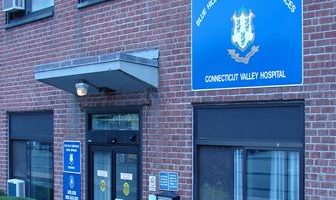
Connecticut Valley Hospital Addiction Services
About Connecticut Valley Hospital Addiction Services
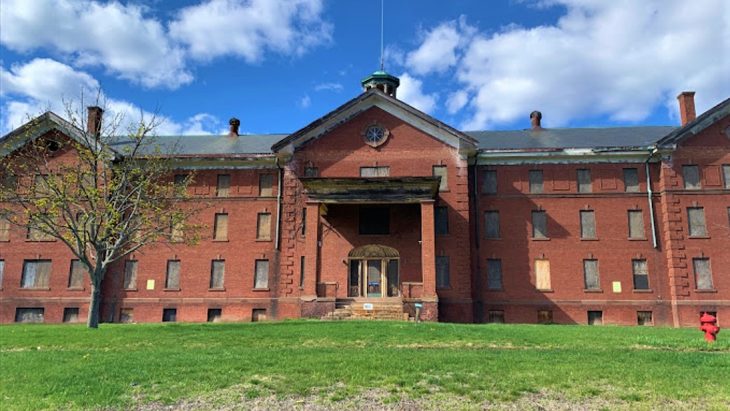
Connecticut Valley Hospital Addiction Services is a state operated inpatient addiction treatment facility in Middletown, Connecticut, part of the Connecticut Department of Mental Health and Addiction Services.
The Addiction Services Division operates in Merritt Hall on the Middletown campus, offering inpatient detoxification and gender separated residential rehabilitation programs for adults with substance use disorders.
What treatment do they offer?
The facility provides a 20 bed acute inpatient detoxification program with medical support to manage withdrawal symptoms, typically lasting around five days.
Connecticut Valley Hospital also offers intensive inpatient residential rehabilitation on gender separated units for men and women, with stays up to 45 days and Medication Assisted Treatment combining medications like methadone, buprenorphine and naltrexone with counseling and behavioral therapy.
What treatment approaches are used?
Evidence based therapies include cognitive behavioral therapy, dialectical behavior therapy, motivational interviewing, contingency management and trauma related counseling, delivered through individual, group, family and couples counseling sessions.
Recovery support services such as peer support, employment counseling, discharge planning, naloxone education and self help groups help clients build long term recovery skills.
Do they accept insurance?
Connecticut Valley Hospital accepts Medicare, Medicaid, Military insurance including TRICARE, state financed health insurance plans, private health insurance and cash or self payment.
Sliding scale payment assistance is available, and no one is denied treatment based on inability to pay.
State supported recovery in Connecticut
Connecticut Valley Hospital Addiction Services offers comprehensive inpatient treatment from detox through rehabilitation for Connecticut residents at little to no cost.
| Levels of Care | Detox Service Setting | Programs | Payment Options | ||
|---|---|---|---|---|---|
|
Inpatient and residential programs provide round-the-clock medical and emotional support as you live at the treatment facility. This level of care may be recommended if you have severe addictions or mental health conditions since it removes outside distractions and allows you to focus solely on therapy. |
Dual diagnosis programs address substance use disorders and co-occurring mental health conditions simultaneously. This integrated approach to care improves the likelihood of long term recovery and stability by addressing the root causes of addiction. |
||||
|
Inpatient detox occurs in a dedicated treatment facility. You’ll live there around the clock and receive intensive medical support and supervision to help manage your withdrawal symptoms. It is suitable for individuals with moderate to severe addictions as it ensures a stable detox environment. |
|||||
|
Adult programs address the substance use and life challenges specific to adults. Therapists can deliver sessions in individual, group and family settings. Services often include job support and life skills training in a structured environment. |
Alcohol detox programs offer medical support to help individuals withdraw safely from alcohol. Your care team may use medications to ease your symptoms and provide medical monitoring to address complications. |
Men's programs address substance use while also considering the social pressures, family roles and mental health concerns that are specific to men. You’ll learn healthy coping mechanisms as you build emotional resilience and develop communication skills. |
Opioid detox uses medications to ease severe withdrawal symptoms. It also includes medical supervision to help you manage potential complications. These services allow you to stabilize and begin a recovery plan. |
Women's programs offer a safe and supportive space to focus on gender specific issues such as trauma, family roles and mental health conditions. Therapists tailor the sessions to address women's needs and foster empowerment in a healing and nurturing environment. |
Young adult programs are designed for individuals who are transitioning into adulthood. Topics of discussion typically include identity, independence and peer relationships. Providers may also offer life skills training and career support. |
|
Payment Assistance
|
Medicaid
|
Medicare
|
Military Insurance
|
Private Insurance
|
Self Pay
|
Levels of Care
Inpatient and residential programs provide round-the-clock medical and emotional support as you live at the treatment facility. This level of care may be recommended if you have severe addictions or mental health conditions since it removes outside distractions and allows you to focus solely on therapy.
Dual diagnosis programs address substance use disorders and co-occurring mental health conditions simultaneously. This integrated approach to care improves the likelihood of long term recovery and stability by addressing the root causes of addiction.
Detox Service Setting
Inpatient detox occurs in a dedicated treatment facility. You’ll live there around the clock and receive intensive medical support and supervision to help manage your withdrawal symptoms. It is suitable for individuals with moderate to severe addictions as it ensures a stable detox environment.
Programs
Adult programs address the substance use and life challenges specific to adults. Therapists can deliver sessions in individual, group and family settings. Services often include job support and life skills training in a structured environment.
Alcohol detox programs offer medical support to help individuals withdraw safely from alcohol. Your care team may use medications to ease your symptoms and provide medical monitoring to address complications.
Men's programs address substance use while also considering the social pressures, family roles and mental health concerns that are specific to men. You’ll learn healthy coping mechanisms as you build emotional resilience and develop communication skills.
Opioid detox uses medications to ease severe withdrawal symptoms. It also includes medical supervision to help you manage potential complications. These services allow you to stabilize and begin a recovery plan.
Women's programs offer a safe and supportive space to focus on gender specific issues such as trauma, family roles and mental health conditions. Therapists tailor the sessions to address women's needs and foster empowerment in a healing and nurturing environment.
Young adult programs are designed for individuals who are transitioning into adulthood. Topics of discussion typically include identity, independence and peer relationships. Providers may also offer life skills training and career support.
Accreditations

Contact



Amy Greene is an award-winning novelist and essayist. Her acclaimed debut novel, Bloodroot, was a New York Times national best seller. Her second novel, Long Man, was named a Best Book of the Year by The Washington Post in 2014. Her essays have appeared in publications such as The New York Times and Glamor Magazine. She currently resides in her native East Tennessee, amid the mountains she loves. In both her fiction and her nonfiction writing, Amy is dedicated exploring complex issues of mental health and spiritual and emotional wellbeing.