800-262-4205
Crossroads of Suwanee
About Crossroads of Suwanee
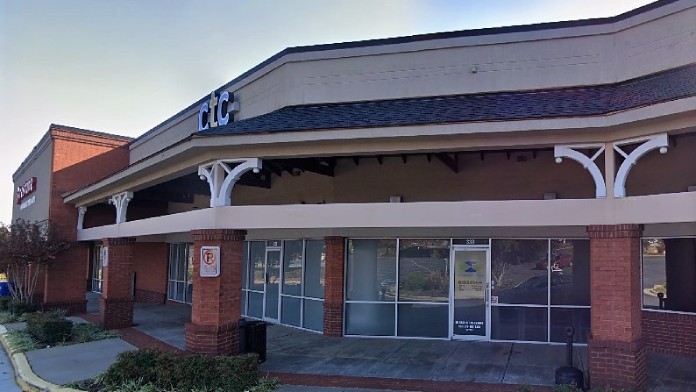
Crossroads of Suwanee was an addiction treatment center located in Horizon Village in Suwanee, Georgia. They specialized in medication assisted treatment (MAT), but also provided social services, peer support and specialty programs for different population groups, including pregnant women.
While this location is closed, Crossroads still has over 100 active locations spread between Tennessee and New York, including three in Georgia.
Specialized Treatment Programs
One of the best parts about Crossroads of Suwanee was the sheer number of specialized programs they offered. They had integrated treatment for co-occurring disorders and Hepatitis C, both of which are common amongst people experiencing addiction. They tailored their general counseling services for members of the LGBTQ+ community and veterans, placing unique emphasis on relevant challenges during counseling sessions.
They helped people experiencing homelessness get connected to housing providers and other support services on top of treating chemical dependencies. They also helped patients who didn’t speak English, ensuring that anyone who needed help was able to receive it.
Medication Incorporated Into Whole-Person Recovery
Their MAT program included more than carefully monitored medication doses. Medication formed one part of a comprehensive approach designed by your counselor, general physician and any other health professional you saw regularly. Your integrated plan was carefully monitored and tracked, giving you the best chance of lasting success.
| Levels of Care | Detox Service Setting | Programs | Payment Options | |||
|---|---|---|---|---|---|---|
|
In outpatient therapy, you’ll attend therapy sessions several times each week while living at home. This is ideal if you have a strong support system and a lower risk of relapse. Outpatient treatment offers flexibility to maintain work, school or family obligations. |
||||||
|
Outpatient detox gives you access to medically supervised withdrawal services while still allowing you to live at home. You’ll attend a clinic for treatment and monitoring. This flexible option is suitable for those with mild to moderate withdrawal symptoms who have strong support systems. |
||||||
|
Adult programs address the substance use and life challenges specific to adults. Therapists can deliver sessions in individual, group and family settings. Services often include job support and life skills training in a structured environment.
|
Alcohol detox programs offer medical support to help individuals withdraw safely from alcohol. Your care team may use medications to ease your symptoms and provide medical monitoring to address complications.
|
Drug detox programs support individuals who are withdrawing from addictive substances like cocaine and heroin. Medical support helps you manage symptoms in a controlled and safe environment so you can achieve initial sobriety.
|
Men's programs address substance use while also considering the social pressures, family roles and mental health concerns that are specific to men. You’ll learn healthy coping mechanisms as you build emotional resilience and develop communication skills.
|
Opioid detox uses medications to ease severe withdrawal symptoms. It also includes medical supervision to help you manage potential complications. These services allow you to stabilize and begin a recovery plan.
|
Women's programs offer a safe and supportive space to focus on gender specific issues such as trauma, family roles and mental health conditions. Therapists tailor the sessions to address women's needs and foster empowerment in a healing and nurturing environment.
|
Young adult programs are designed for individuals who are transitioning into adulthood. Topics of discussion typically include identity, independence and peer relationships. Providers may also offer life skills training and career support.
|
|
Self Pay
|
Levels of Care
In outpatient therapy, you’ll attend therapy sessions several times each week while living at home. This is ideal if you have a strong support system and a lower risk of relapse. Outpatient treatment offers flexibility to maintain work, school or family obligations.
Detox Service Setting
Outpatient detox gives you access to medically supervised withdrawal services while still allowing you to live at home. You’ll attend a clinic for treatment and monitoring. This flexible option is suitable for those with mild to moderate withdrawal symptoms who have strong support systems.
Programs
Accreditations

Contact



Hayley’s love of writing started with exploring the wondrous world of Narnia and slowly grew into a desire to help others through practical, accessible writing. She writes about detox to bridge the gap between the lost, who aren’t sure where to turn, and the people willing and able to help them.

Gayle Morris, BSN, MSN, received her bachelor’s from the University of Illinois Chicago Medical Center and her first master’s from the Indiana University Purdue University Indianapolis. She practiced nursing for over two decades with a focus on pediatric physical rehabilitation, which required mental health skills to help children, and their parents work through new challenges after a head injury or spinal cord injury. She has been a freelance writer in health, wellness, and mental health for over 15 years. She loves exercise, her dogs and guinea pigs, and gardening.
Detox.com regularly reviews this listing for accuracy but changes may occur between updates. For the most up-to-date information, please contact Crossroads of Suwanee.