

 800-262-4205
Destination Hope

About Destination Hope
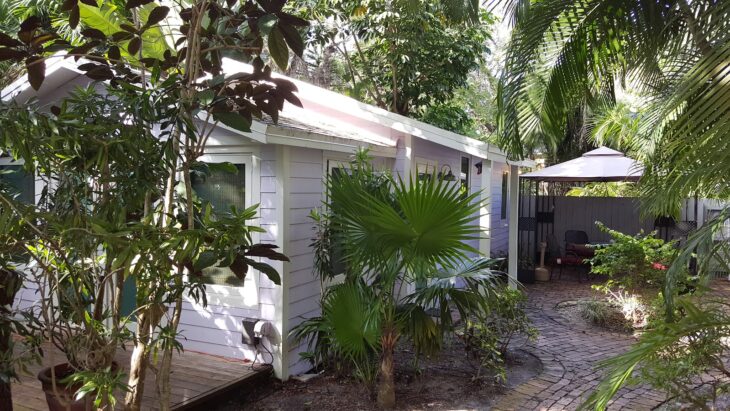
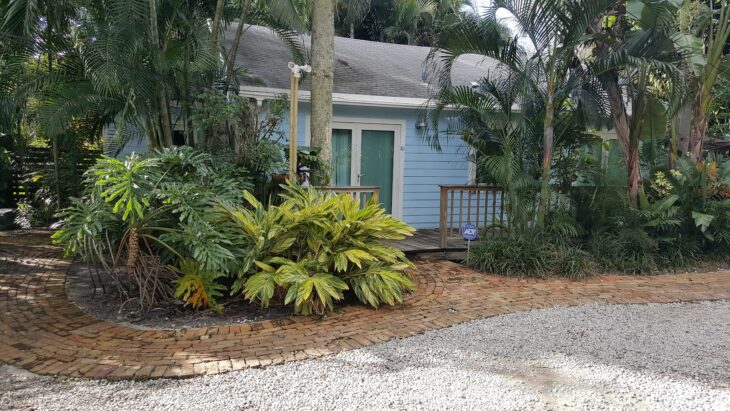
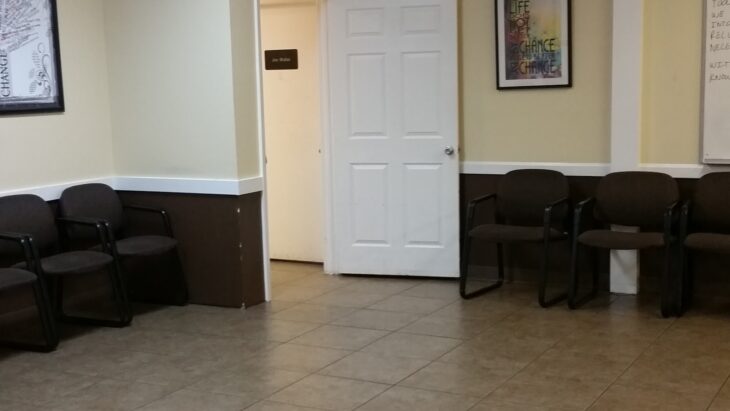
Destination Hope is a drug and alcohol rehab home for adults in balmy Fort Lauderdale, Florida. This sun-soaked coastline gets more than 3000 hours of sunshine every year making it a wholesome place to raise your spirit and begin your recovery. The center is a comfortable place, filled with natural light that treats both substance use and mental health disorders.
You’ll be able to detox onsite under close monitoring. They’ll give you medications to make it easier for you as the chemicals leave your system. Once you feel well enough, you’ll be able to start exercising. You’ll connect with others and begin to develop a support system. All of this will help you feel better sooner.
Throughout your treatment, you’ll find they aim to reduce stress and increase your sense of well-being. This is an important part of your healing journey physically, mentally and emotionally. Part of this is their focus on nutrition. The meals you’ll get will be balanced. They take it a step further by teaching you nutritional principles so that you can continue to look after yourself when you complete the program.
A valuable aspect of recovery here is the opportunities you get to do everyday things and practice the skills you learn during therapy. They organize many outings and activities. You may visit nearby beaches or take boat trips through the Everglades. There’s an activity center to play pingpong and to start a gym regimen. You can socialize in the common room or bond over buffet-style meals.
Their wellness program is designed to reduce stress and bring you emotional comfort. They offer music, art and pet therapy. You can do yoga classes, learn meditation, or practice Tai Chi and Qigong. Along with those, you can take part in unusual activities such as virtual reality and floral workshops.
| Levels of Care | Detox Service Setting | Programs | Payment Options | ||||||||
|---|---|---|---|---|---|---|---|---|---|---|---|
|
Inpatient and residential programs provide round-the-clock medical and emotional support as you live at the treatment facility. This level of care may be recommended if you have severe addictions or mental health conditions since it removes outside distractions and allows you to focus solely on therapy. |
In outpatient therapy, you’ll attend therapy sessions several times each week while living at home. This is ideal if you have a strong support system and a lower risk of relapse. Outpatient treatment offers flexibility to maintain work, school or family obligations. |
Aftercare programs provide ongoing support after you complete a rehab program. They may include several components to help you maintain sobriety including therapy, community support groups and relapse prevention strategies. This gives you a network of resources as you reintegrate into your daily life. |
Dual diagnosis programs address substance use disorders and co-occurring mental health conditions simultaneously. This integrated approach to care improves the likelihood of long term recovery and stability by addressing the root causes of addiction. |
The IOP track at Destination Hope allows clients to step down from residential or detox care while continuing structured therapy and support for addiction and dual diagnosis needs. |
Partial hospitalization at Destination Hope provides a structured, high-intensity level of care for clients transitioning from detox or residential treatment while still needing substantial clinical support. |
||||||
|
Inpatient detox occurs in a dedicated treatment facility. You’ll live there around the clock and receive intensive medical support and supervision to help manage your withdrawal symptoms. It is suitable for individuals with moderate to severe addictions as it ensures a stable detox environment. |
Outpatient detox gives you access to medically supervised withdrawal services while still allowing you to live at home. You’ll attend a clinic for treatment and monitoring. This flexible option is suitable for those with mild to moderate withdrawal symptoms who have strong support systems. |
Medication-assisted treatment is available at Destination Hope when clinically appropriate, supporting withdrawal management and easing symptoms during the detox phase of care. |
|||||||||
|
Adult programs address the substance use and life challenges specific to adults. Therapists can deliver sessions in individual, group and family settings. Services often include job support and life skills training in a structured environment.
|
Alcohol detox programs offer medical support to help individuals withdraw safely from alcohol. Your care team may use medications to ease your symptoms and provide medical monitoring to address complications.
|
LGBTQ friendly programs create an inclusive and affirming space for recovery. Treatment is sensitive to issues like discrimination and stigma. You’ll receive support and therapy that respects and acknowledges your unique experiences.
|
Men's programs address substance use while also considering the social pressures, family roles and mental health concerns that are specific to men. You’ll learn healthy coping mechanisms as you build emotional resilience and develop communication skills.
|
Opioid detox uses medications to ease severe withdrawal symptoms. It also includes medical supervision to help you manage potential complications. These services allow you to stabilize and begin a recovery plan.
|
Senior programs address the unique needs of older adults like chronic pain, grief and isolation. Programs include peer support and medical oversight for age related health concerns. The goal is to improve quality of life and promote sober aging.
|
Women's programs offer a safe and supportive space to focus on gender specific issues such as trauma, family roles and mental health conditions. Therapists tailor the sessions to address women's needs and foster empowerment in a healing and nurturing environment.
|
Young adult programs are designed for individuals who are transitioning into adulthood. Topics of discussion typically include identity, independence and peer relationships. Providers may also offer life skills training and career support.
|
Destination Hope offers drug detox services covering opioids, benzodiazepines, stimulants, and marijuana, with medication-assisted treatment available when clinically appropriate during withdrawal management. |
CBT is a core evidence-based therapy used at Destination Hope to help clients identify thought patterns tied to substance use and co-occurring conditions like anxiety and depression. |
Destination Hope uses EMDR to address trauma-related symptoms, supporting clients whose PTSD or past trauma contributes to substance use and complicates recovery. |
Destination Hope integrates fitness and movement-based activities, including yoga, into its holistic programming to support physical and emotional wellness during detox and treatment. |
|
Private Insurance
|
Self Pay
|
Levels of Care
Inpatient and residential programs provide round-the-clock medical and emotional support as you live at the treatment facility. This level of care may be recommended if you have severe addictions or mental health conditions since it removes outside distractions and allows you to focus solely on therapy.
In outpatient therapy, you’ll attend therapy sessions several times each week while living at home. This is ideal if you have a strong support system and a lower risk of relapse. Outpatient treatment offers flexibility to maintain work, school or family obligations.
Aftercare programs provide ongoing support after you complete a rehab program. They may include several components to help you maintain sobriety including therapy, community support groups and relapse prevention strategies. This gives you a network of resources as you reintegrate into your daily life.
Dual diagnosis programs address substance use disorders and co-occurring mental health conditions simultaneously. This integrated approach to care improves the likelihood of long term recovery and stability by addressing the root causes of addiction.
The IOP track at Destination Hope allows clients to step down from residential or detox care while continuing structured therapy and support for addiction and dual diagnosis needs.
Partial hospitalization at Destination Hope provides a structured, high-intensity level of care for clients transitioning from detox or residential treatment while still needing substantial clinical support.
Detox Service Setting
Inpatient detox occurs in a dedicated treatment facility. You’ll live there around the clock and receive intensive medical support and supervision to help manage your withdrawal symptoms. It is suitable for individuals with moderate to severe addictions as it ensures a stable detox environment.
Outpatient detox gives you access to medically supervised withdrawal services while still allowing you to live at home. You’ll attend a clinic for treatment and monitoring. This flexible option is suitable for those with mild to moderate withdrawal symptoms who have strong support systems.
Medication-assisted treatment is available at Destination Hope when clinically appropriate, supporting withdrawal management and easing symptoms during the detox phase of care.
Programs
Destination Hope offers drug detox services covering opioids, benzodiazepines, stimulants, and marijuana, with medication-assisted treatment available when clinically appropriate during withdrawal management.
CBT is a core evidence-based therapy used at Destination Hope to help clients identify thought patterns tied to substance use and co-occurring conditions like anxiety and depression.
Destination Hope uses EMDR to address trauma-related symptoms, supporting clients whose PTSD or past trauma contributes to substance use and complicates recovery.
Destination Hope integrates fitness and movement-based activities, including yoga, into its holistic programming to support physical and emotional wellness during detox and treatment.
Amenities
Accreditations


Accepted Insurance



Contact


- Monday 8:30AM - 5PM
- Tuesday 8:30AM - 5PM
- Wednesday 8:30AM - 5PM
- Thursday 8:30AM - 5PM
- Friday 8:30AM - 5PM

Writer by day and author by night, Dianne has written more than a dozen novels. Her goal is to see people set free to live their best lives as whole, happy, and fulfilled. Writing about addiction recovery is a natural extension of her heart.

Peter W.Y. Lee is a historian with a focus in American Cold War culture. He has examined how popular culture has served as a coping mechanism for the challenges and changes impacting American society throughout the twentieth century.
Detox.com regularly reviews this listing for accuracy but changes may occur between updates. For the most up-to-date information, please contact Destination Hope.
Nearby Detox Centers



Search by Florida Cities
FAQs
What detox programs does Destination Hope offer in Fort Lauderdale?
Destination Hope provides medical detoxification and withdrawal management services. The facility offers supervised detox for alcohol and drug addiction, with options ranging from detox-only care to detox combined with residential treatment, allowing patients to step up to longer-term recovery support based on individual needs.
Is medical detox available 24/7 with nursing supervision at Destination Hope?
Destination Hope offers medically supervised detoxification with clinical oversight. The facility’s medical team manages withdrawal symptoms and provides medications as needed to support safe, comfortable detoxification. This approach reduces medical risks and increases the likelihood that patients complete the detox process.
What substances can be treated through detox at Destination Hope?
Destination Hope provides detoxification for alcohol and opioid addiction, as well as other drug dependencies. The facility’s clinical team assesses each patient during intake to determine the appropriate detox protocol and any medications needed to manage withdrawal safely and effectively.
How long does a typical detox stay last at Destination Hope?
Detoxification timelines vary based on the substance, individual health factors, and medical complexity. Destination Hope’s medical team works with each patient to determine the appropriate length of stay, with the option to transition to residential treatment for continued recovery support after detox is complete.
What happens after completing detox at Destination Hope in Fort Lauderdale?
Upon completion of medical detox, patients at Destination Hope can transition directly into residential treatment or step-down care options. The facility provides discharge planning and referrals to support ongoing recovery, ensuring continuity of care beyond the acute detoxification phase.