

 800-262-4205
Residential Treatment Facility (RTF) Dwight D Eisenhower Mem Hospital




About Residential Treatment Facility (RTF) Dwight D Eisenhower Mem Hospital
The Eisenhower Army Medical Center is a military hospital in Augusta, Georgia. It’s a multi-departmental hospital so they have many different specialties and one of them is their mental health and behavioral health care department, which offers addiction treatment. They serve active duty service members of all branches including the Army and Navy as well as the Air Force and Marines and Coast Guard.
They have several levels of care here for addiction treatment and that includes their intensive inpatient treatment which can provide detox care and withdrawal management. During your detox, you’ll have around-the-clock medical care to manage your symptoms and keep you safe and healthy.
During your withdrawal, you’ll also start addressing the mental aspects of addiction through group therapy and individual therapy. Your program could include recreational therapy too and occupational therapy. They’ll also treat any co-occurring mental health disorders like PTSD and depression as well as traumatic brain injuries.
I think what’s most helpful about this facility is the fact that their care is catered to you as a service member. They understand the demands of your job and circumstances and they can treat your addiction in a way that is relevant to your life. Plus they can coordinate your addiction treatment with your other medical care and mental health care as well within the Army’s medical system.
It’s also important to note that they have a full continuum of care here for after your detox. They have residential treatment and varying levels of outpatient treatment like the Army Substance Abuse Program. While managing your withdrawal they can help you plan the next stages of your recovery.
| Levels of Care | Detox Service Setting | Programs | Payment Options | Medications Offered |
|---|---|---|---|---|
|
Inpatient and residential programs provide round-the-clock medical and emotional support as you live at the treatment facility. This level of care may be recommended if you have severe addictions or mental health conditions since it removes outside distractions and allows you to focus solely on therapy. |
In outpatient therapy, you’ll attend therapy sessions several times each week while living at home. This is ideal if you have a strong support system and a lower risk of relapse. Outpatient treatment offers flexibility to maintain work, school or family obligations. |
Partial hospitalization programs provide comprehensive treatment in a structured setting during the day but allow you to return home at night. These programs offer a balance of inpatient and outpatient rehab and provide intensive support without full time residency. |
Aftercare programs provide ongoing support after you complete a rehab program. They may include several components to help you maintain sobriety including therapy, community support groups and relapse prevention strategies. This gives you a network of resources as you reintegrate into your daily life. |
Dual diagnosis programs address substance use disorders and co-occurring mental health conditions simultaneously. This integrated approach to care improves the likelihood of long term recovery and stability by addressing the root causes of addiction. |
|
Inpatient detox occurs in a dedicated treatment facility. You’ll live there around the clock and receive intensive medical support and supervision to help manage your withdrawal symptoms. It is suitable for individuals with moderate to severe addictions as it ensures a stable detox environment. |
Outpatient detox gives you access to medically supervised withdrawal services while still allowing you to live at home. You’ll attend a clinic for treatment and monitoring. This flexible option is suitable for those with mild to moderate withdrawal symptoms who have strong support systems. |
|||
|
Adult programs address the substance use and life challenges specific to adults. Therapists can deliver sessions in individual, group and family settings. Services often include job support and life skills training in a structured environment.
|
Women's programs offer a safe and supportive space to focus on gender specific issues such as trauma, family roles and mental health conditions. Therapists tailor the sessions to address women's needs and foster empowerment in a healing and nurturing environment.
|
Men's programs address substance use while also considering the social pressures, family roles and mental health concerns that are specific to men. You’ll learn healthy coping mechanisms as you build emotional resilience and develop communication skills.
|
Military and veteran programs offer specialized support for clients who served in the armed services. Programs focus on reintegration and healing within a structured and supportive environment that acknowledges the unique struggles of military life.
|
|
|
Self Pay
|
Private Insurance
|
Military Insurance
|
||
|
Buprenorphine
|
Naltrexone (Vivitrol)
|
Levels of Care
Inpatient and residential programs provide round-the-clock medical and emotional support as you live at the treatment facility. This level of care may be recommended if you have severe addictions or mental health conditions since it removes outside distractions and allows you to focus solely on therapy.
In outpatient therapy, you’ll attend therapy sessions several times each week while living at home. This is ideal if you have a strong support system and a lower risk of relapse. Outpatient treatment offers flexibility to maintain work, school or family obligations.
Partial hospitalization programs provide comprehensive treatment in a structured setting during the day but allow you to return home at night. These programs offer a balance of inpatient and outpatient rehab and provide intensive support without full time residency.
Aftercare programs provide ongoing support after you complete a rehab program. They may include several components to help you maintain sobriety including therapy, community support groups and relapse prevention strategies. This gives you a network of resources as you reintegrate into your daily life.
Dual diagnosis programs address substance use disorders and co-occurring mental health conditions simultaneously. This integrated approach to care improves the likelihood of long term recovery and stability by addressing the root causes of addiction.
Detox Service Setting
Inpatient detox occurs in a dedicated treatment facility. You’ll live there around the clock and receive intensive medical support and supervision to help manage your withdrawal symptoms. It is suitable for individuals with moderate to severe addictions as it ensures a stable detox environment.
Outpatient detox gives you access to medically supervised withdrawal services while still allowing you to live at home. You’ll attend a clinic for treatment and monitoring. This flexible option is suitable for those with mild to moderate withdrawal symptoms who have strong support systems.
Programs
Medications Offered
Amenities
Accreditations


Accepted Insurance
Contact


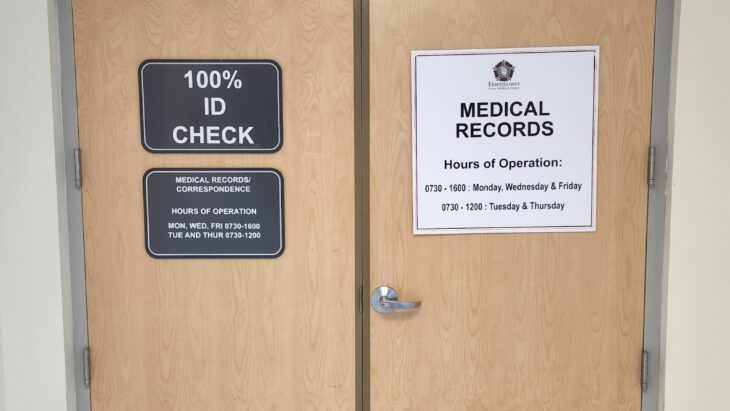
- Monday 7:30AM - 4PM
- Wednesday 7:30AM - 4PM
- Thursday 7:30AM - 4PM
- Friday 7:30AM - 4PM

Lauren wears many hats, and works as a holistic deep tissue massage therapist, content strategist, and copywriter. She’s been writing copy and dreaming up content for a number of brands for almost 10 years, having worked with a mixture of B2B and B2C brand. Some of her more notable clients include adidas, Gucci, Pepsi, and Hotels.com. A skilled editor and copywriter, she also enjoys planning content for social media and brand marketing campaigns.

Courtney Myers writes and edits professionally from her home in North Carolina. She holds an MS in Technical Communication from N.C. State University and has worked in proposal management, marketing, and online content creation. She specializes in creating resources related to behavioral health and addiction recovery.
Detox.com regularly reviews this listing for accuracy but changes may occur between updates. For the most up-to-date information, please contact Residential Treatment Facility (RTF) Dwight D Eisenhower Mem Hospital.
Nearby Detox Centers



Search by Georgia Cities
FAQs
What inpatient detox and substance use treatment does Eisenhower RTF provide for active duty service members?
Eisenhower Army Medical Center’s Residential Treatment Facility provides intensive inpatient psychiatric and substance use disorder treatment for active duty service members. The 12-bed, locked inpatient unit includes individual therapy, group therapy, medication management, and skills-based interventions delivered by an interdisciplinary team of psychiatrists, psychologists, social workers, nurses, and behavioral health technicians.
How long does residential treatment typically last at Eisenhower RTF in Fort Gordon?
The typical length of stay at Eisenhower Army Medical Center’s Residential Treatment Facility ranges from 28 to 45 days, depending on clinical needs and treatment progress. Discharge planning begins at admission to ensure continuity of care and connection to follow-on services in the community.
What level of medical monitoring and nursing care is available during inpatient treatment?
The facility provides 24/7 nursing care and daily provider visits to all patients enrolled in the program. The structured inpatient environment on the 12th Floor West of Eisenhower Army Medical Center ensures continuous clinical supervision and medical support throughout treatment.
Does Eisenhower RTF treat co-occurring mental health and substance use disorders?
Yes, Eisenhower Army Medical Center’s Residential Treatment Facility treats active duty service members with co-occurring severe mental health and substance use disorders. The program addresses conditions such as depression, anxiety, PTSD, mood disorders, and personality disorders alongside substance use treatment in an integrated care model.
What specialized therapy tracks are offered at the Eisenhower Residential Treatment Facility?
The Residential Treatment Facility offers Dialectical Behavior Therapy (DBT) focused treatment and a Trauma-Focused Track. Groups focus on skill building, coping strategies, and relapse prevention, with treatment tailored to individual clinical needs and recovery goals.
How does admission work for active duty service members seeking inpatient treatment?
Referrals to Eisenhower Army Medical Center’s Residential Treatment Facility are coordinated through Behavioral Health. Eligibility and admission are determined by clinical need and command support. The facility is located on the 12th Floor West of Eisenhower Army Medical Center in Building 300 at Fort Gordon, GA.