

 800-262-4205
Goldsboro Comprehensive Treatment Center

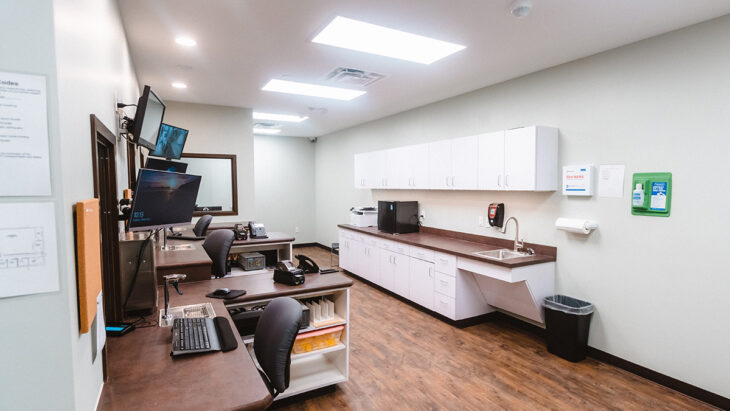
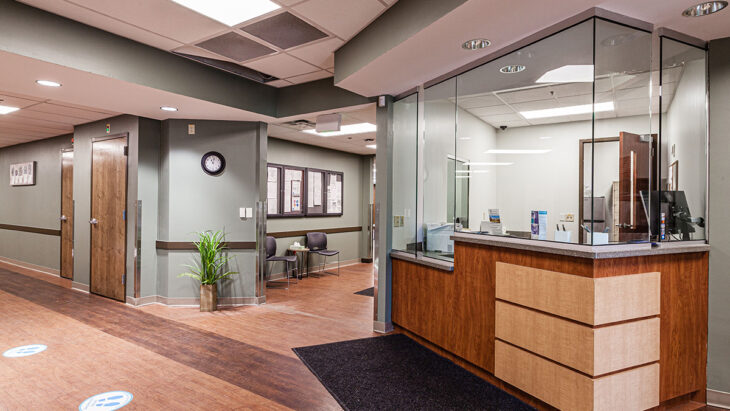
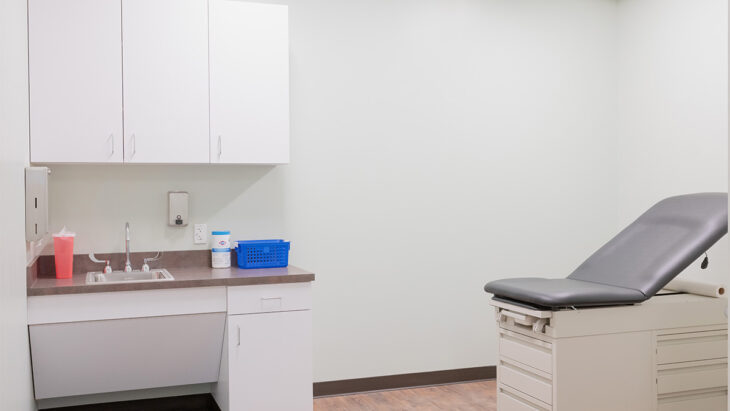
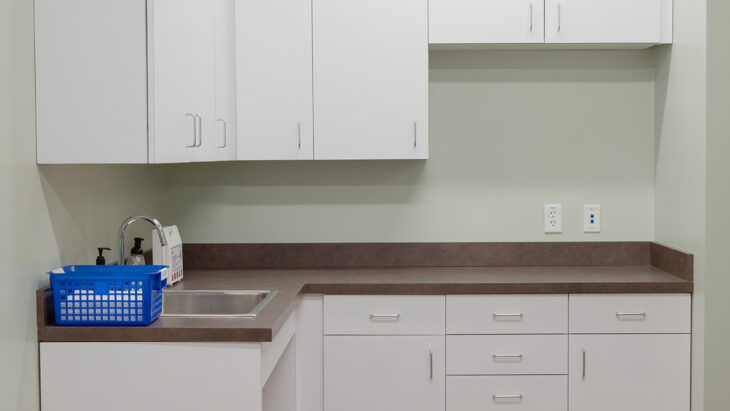
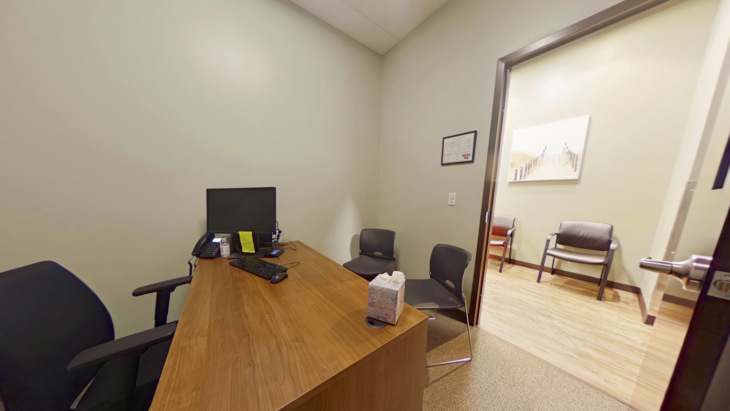
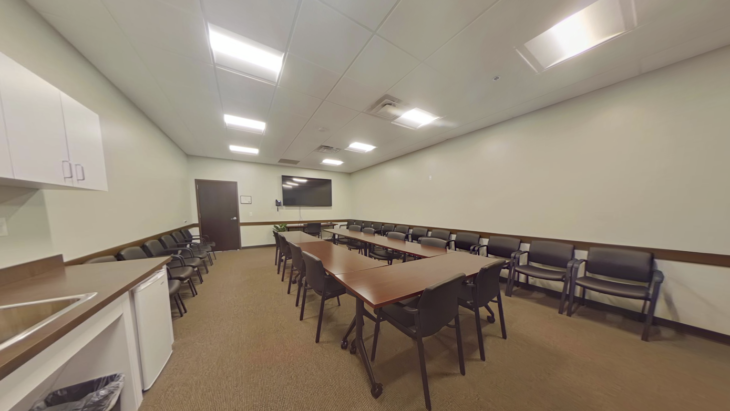
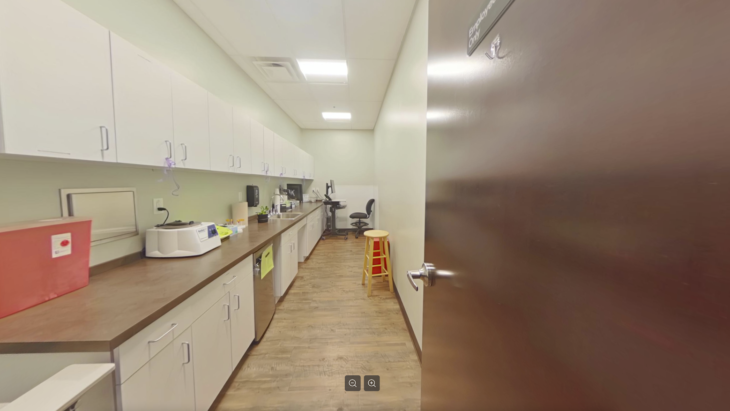
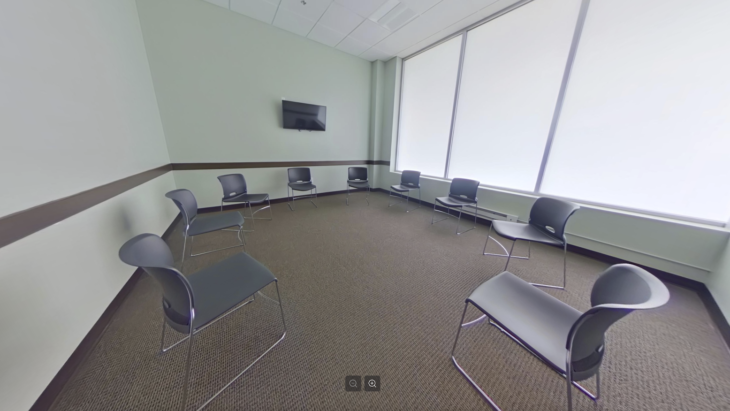
About Goldsboro Comprehensive Treatment Center
The Goldsboro Comprehensive Treatment Center is an outpatient facility in Goldsboro, North Carolina, that is CARF accredited and specializes in medication assisted treatment (MAT). They care for adults aged 18 and older struggling with opioid use disorders including addictions to heroin, fentanyl and prescription painkillers.
The center serves diverse populations including court referred individuals and accepts Medicaid, Medicare, TRICARE, private insurance and self pay.
The Core of Their Program
Their core program is MAT and is combined with FDA approved medications like methadone, buprenorphine, Suboxone and Vivitrol to alleviate your withdrawal symptoms and cravings. It is not a stand-alone service and you will also attend counseling to address the emotional and behavioral aspects of addiction.
What Treatment Will Look Like
Your treatment will begin with a thorough intake assessment to tailor your care. It will be followed by individual and group therapy sessions led by experienced physicians, nurses and counselors.
These sessions are offered in person or via telehealth and focus on relapse prevention, coping skills and understanding addiction triggers. It will also incorporate cognitive behavioral therapy and 12 step principles.
Balancing Treatment and Daily Life
Their outpatient setting allows you the flexibility to balance treatment with daily responsibilities. You will eventually be able to earn take home medication doses which are available under state and federal guidelines.
Clients praise the supportive and respectful environment. It has been mentioned that scheduling challenges have occasionally happened. Backed by SAMHSA and the National Institute on Drug Abuse, the center empowers individuals to rebuild opioid free lives.
| Levels of Care | Detox Service Setting | Programs | Payment Options | |||
|---|---|---|---|---|---|---|
|
Outpatient
|
||||||
|
Outpatient detox gives you access to medically supervised withdrawal services while still allowing you to live at home. You’ll attend a clinic for treatment and monitoring. This flexible option is suitable for those with mild to moderate withdrawal symptoms who have strong support systems. |
Goldsboro Comprehensive Treatment Center provides outpatient medication-assisted treatment combining FDA-approved medications (methadone, buprenorphine, naltrexone) with individual and group counseling for opioid addiction. |
|||||
|
Adult programs address the substance use and life challenges specific to adults. Therapists can deliver sessions in individual, group, and family settings. Services often include job support and life-skills training in a structured environment.
|
Alcohol detox programs offer medical support to help individuals withdraw safely from alcohol. Your care team may use medications to ease your symptoms and provide medical monitoring to address complications.
|
Drug detox programs support individuals who are withdrawing from addictive substances like cocaine and heroin. Medical support helps you manage symptoms in a controlled and safe environment so you can achieve initial sobriety.
|
Men's programs address substance use while also considering the social pressures, family roles, and mental health concerns that are specific to men. You’ll learn healthy coping mechanisms as you build emotional resilience and develop communication skills.
|
Opioid detox uses medications to ease severe withdrawal symptoms. It also includes medical supervision to help you manage potential complications. These services allow you to stabilize and begin a recovery plan.
|
Women's programs offer a safe and supportive space to focus on gender-specific issues such as trauma, family roles, and mental health conditions. Therapists tailor the sessions to address women's needs and foster empowerment in a healing and nurturing environment.
|
Young adult programs are designed for individuals who are transitioning into adulthood. Topics of discussion typically include identity, independence, and peer relationships. Providers may also offer life-skills training and career support.
|
|
Military Insurance
|
Private Insurance
|
Self Pay
|
Medicaid
|
Levels of Care
Detox Service Setting
Outpatient detox gives you access to medically supervised withdrawal services while still allowing you to live at home. You’ll attend a clinic for treatment and monitoring. This flexible option is suitable for those with mild to moderate withdrawal symptoms who have strong support systems.
Goldsboro Comprehensive Treatment Center provides outpatient medication-assisted treatment combining FDA-approved medications (methadone, buprenorphine, naltrexone) with individual and group counseling for opioid addiction.
Programs
Accreditations

Accepted Insurance
Contact


- Monday 5AM - 11AM
- Tuesday 5AM - 11AM
- Wednesday 5AM - 11AM
- Thursday 5AM - 11AM
- Friday 5AM - 11AM
- Saturday 6AM - 8AM

Jenise Alvarez received her pre-law degree in South Florida, where she was born and raised. She now resides in metro Atlanta with her family. She is married with two children, a dog, and a cat. She stays busy running around after her little ones and making sure the animals stay out of trouble.

Courtney Myers writes and edits professionally from her home in North Carolina. She holds an MS in Technical Communication from N.C. State University and has worked in proposal management, marketing, and online content creation. She specializes in creating resources related to behavioral health and addiction recovery.
Detox.com regularly reviews this listing for accuracy but changes may occur between updates. For the most up-to-date information, please contact Goldsboro Comprehensive Treatment Center.
Nearby Detox Centers


Search by North Carolina Cities
FAQs
What medications does Goldsboro Comprehensive Treatment Center use for opioid detox?
Goldsboro Comprehensive Treatment Center offers three FDA-approved medications for opioid addiction treatment: methadone, buprenorphine (Suboxone), and naltrexone. Patients receive a prescription for one of these medications paired with individual and group counseling as part of the center’s outpatient medication-assisted treatment program.
Is medical detox available at Goldsboro Comprehensive Treatment Center in North Carolina?
Goldsboro Comprehensive Treatment Center provides outpatient medication-assisted treatment for opioid addiction rather than inpatient medical detox. The center combines FDA-approved medications with counseling and behavioral therapies to manage opioid withdrawal and support recovery in an outpatient setting.
What types of opioids does Goldsboro Comprehensive Treatment Center treat?
The center treats addiction to both prescription painkillers and illicit opioids, including heroin. The facility’s medication-assisted treatment program is designed for adults struggling with opioid use disorder from any opioid source, paired with individual and group counseling services.
What counseling and therapy services are included in opioid treatment at Goldsboro CTC?
Patients at Goldsboro Comprehensive Treatment Center receive individual counseling sessions and group counseling as part of their medication-assisted treatment. These therapeutic services are combined with FDA-approved medication and recovery support services to address opioid addiction comprehensively.
Who is eligible for treatment at Goldsboro Comprehensive Treatment Center?
Goldsboro Comprehensive Treatment Center serves adults age 18 and older of all genders struggling with opioid addiction. The facility offers outpatient medication-assisted treatment and accepts Medicaid, private insurance, and self-pay options for eligible patients.
What payment options and insurance does Goldsboro Comprehensive Treatment Center accept?
The center accepts Medicaid, private insurance, and self-pay options. Patients can also pay by cash or check. Insurance verification and payment arrangements can be discussed during the initial contact to determine coverage and out-of-pocket costs.