800-262-4205
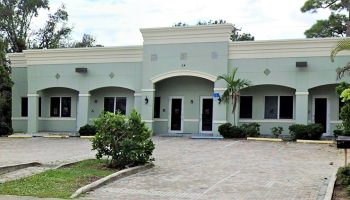
Good Days Recovery Sober Living
About Good Days Recovery Sober Living
Good Days Recovery Sober Living is a recovery residence in Boynton Beach, Florida. This is structured transitional housing for individuals in the early stages of recovery from alcohol and drug addiction. The program provides separate homes for men and women and is built on a 12 step foundation that emphasizes accountability, peer support and personal responsibility. Before admission, you must complete detox. They can offer a referral for medication assisted treatment as needed.
Many residents value the family centered atmosphere, convenient access to public transportation and the consistent guidance provided by experienced house managers.
What Type of Recovery Housing Does Good Days Recovery Offer
Good Days Recovery offers sober living residences that serve as a bridge between formal treatment and independent living. These homes are designed to help individuals strengthen recovery skills while adjusting to daily responsibilities.
Each residence includes an onsite house manager or assistant manager who oversees daily routines, coordinates community resources and supports residents in maintaining sobriety. Accountability measures include participation in 12 step programming, regular urine screening and clearly defined expectations that promote structure and stability.
Who Can Live at Good Days Recovery
The program serves both men and women in separate housing options, focusing on individuals who are in the early stages of recovery from substance use disorders. Gender specific residences help create supportive, focused environments where residents can work toward their personal recovery goals without unnecessary distractions.
This approach encourages mutual respect, shared responsibility and strong peer connections.
Expectations Promote Discipline in a Family Oriented Atmosphere
Residents follow a structured schedule that includes attendance at 12 step meetings, participation in monthly community service and involvement in collaborative sober activities. These expectations help promote discipline, social connection, and personal growth.
Homes are equipped with Wi Fi, cable television, and comfortable living spaces that reflect a family oriented atmosphere. Each residence is located in a safe neighborhood that supports stability and healthy routines.
Good Days Recovery accepts private insurance and self pay arrangements based on a weekly rental rate. Fees are typically non refundable in cases of early departure or dismissal from the program.
| Levels of Care | Detox Service Setting | Programs | Payment Options |
|---|---|---|---|
|
Inpatient and residential programs provide round-the-clock medical and emotional support as you live at the treatment facility. This level of care may be recommended if you have severe addictions or mental health conditions since it removes outside distractions and allows you to focus solely on therapy. |
In outpatient therapy, you’ll attend therapy sessions several times each week while living at home. This is ideal if you have a strong support system and a lower risk of relapse. Outpatient treatment offers flexibility to maintain work, school or family obligations. |
||
|
Inpatient detox occurs in a dedicated treatment facility. You’ll live there around the clock and receive intensive medical support and supervision to help manage your withdrawal symptoms. It is suitable for individuals with moderate to severe addictions as it ensures a stable detox environment. |
Outpatient detox gives you access to medically supervised withdrawal services while still allowing you to live at home. You’ll attend a clinic for treatment and monitoring. This flexible option is suitable for those with mild to moderate withdrawal symptoms who have strong support systems. |
||
|
Alcohol detox programs offer medical support to help individuals withdraw safely from alcohol. Your care team may use medications to ease your symptoms and provide medical monitoring to address complications.
|
Drug detox programs support individuals who are withdrawing from addictive substances like cocaine and heroin. Medical support helps you manage symptoms in a controlled and safe environment so you can achieve initial sobriety.
|
||
|
Private Insurance
|
Self Pay
|
Levels of Care
Inpatient and residential programs provide round-the-clock medical and emotional support as you live at the treatment facility. This level of care may be recommended if you have severe addictions or mental health conditions since it removes outside distractions and allows you to focus solely on therapy.
In outpatient therapy, you’ll attend therapy sessions several times each week while living at home. This is ideal if you have a strong support system and a lower risk of relapse. Outpatient treatment offers flexibility to maintain work, school or family obligations.
Detox Service Setting
Inpatient detox occurs in a dedicated treatment facility. You’ll live there around the clock and receive intensive medical support and supervision to help manage your withdrawal symptoms. It is suitable for individuals with moderate to severe addictions as it ensures a stable detox environment.
Outpatient detox gives you access to medically supervised withdrawal services while still allowing you to live at home. You’ll attend a clinic for treatment and monitoring. This flexible option is suitable for those with mild to moderate withdrawal symptoms who have strong support systems.
Programs
Contact



Gayle Morris, BSN, MSN, received her bachelor’s from the University of Illinois Chicago Medical Center and her first master’s from the Indiana University Purdue University Indianapolis. She practiced nursing for over two decades with a focus on pediatric physical rehabilitation, which required mental health skills to help children, and their parents work through new challenges after a head injury or spinal cord injury. She has been a freelance writer in health, wellness, and mental health for over 15 years. She loves exercise, her dogs and guinea pigs, and gardening.
Detox.com regularly reviews this listing for accuracy but changes may occur between updates. For the most up-to-date information, please contact Good Days Recovery Sober Living.