

 800-262-4205
Grant Blackford Mental Health Inc Cornerstone Behavioral Health
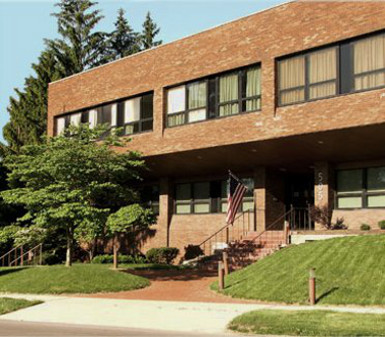
About Grant Blackford Mental Health Inc Cornerstone Behavioral Health
Grant-Blackford, a not-for profit corporation doing business as Cornerstone Behavioral Health Center, Milestone Addiction Services, and Keystone Family Resource Center in Marion, and Hester Hollis Concern Center in Hartford City, is governed by its Board of Directors. It provides mental health and substance abuse services to persons of all ages, primarily in Grant and Blackford Counties. The Center operates 21 properties in the two-county area and serves a range of ages from preschoolers in their homes to psycho geriatric clients in long term care. The Center also has its own freestanding inpatient unit. Grant-Blackford has been operating its flagship, Cornerstone Behavioral Health Center, since 1975, though its history with outpatient treatment stems back to 1950.
The Center is well known for its continuing care adult program, providing a large (30,000 square foot) Community Support Program. It is known for having the longest continuously running psychosocial rehab club in Indiana. Grant-Blackford provides a creative variety of housing options for clients and a very active community outreach case management service.
ADDICTIONS SERVICES – Services for individuals who have been diagnosed with an addictive disorder. We offer two adult Intensive Outpatient Programs and one adolescent program. The addiction program centers around the physical/psychological aspects of addiction, family and social interaction, and wellness (including relapse prevention). We also offer an Education program and Continuing Care for both the adult and adolescent populations. For those individuals who require additional support we offer case management to assist with individual needs (e.g.- education, employment, housing and medication).
INPATIENT SERVICES – The purpose of Inpatient Services is to provide full hospital treatment for those individuals who have lost the capacity to maintain a desirable level of functioning due to emotional distress/illness, chemical dependency. Major goal is to provide short-term intensive evaluation and rapid effective treatment to facilitate the person’s return to the community. Services are provided to those persons age 6 through geriatric.
| Levels of Care | Detox Service Setting | Programs | Payment Options | Medications Offered | |||
|---|---|---|---|---|---|---|---|
|
Inpatient and residential programs provide round-the-clock medical and emotional support as you live at the treatment facility. This level of care may be recommended if you have severe addictions or mental health conditions since it removes outside distractions and allows you to focus solely on therapy. |
In outpatient therapy, you’ll attend therapy sessions several times each week while living at home. This is ideal if you have a strong support system and a lower risk of relapse. Outpatient treatment offers flexibility to maintain work, school or family obligations. |
Dual diagnosis programs address substance use disorders and co-occurring mental health conditions simultaneously. This integrated approach to care improves the likelihood of long term recovery and stability by addressing the root causes of addiction. |
|||||
|
Hospital detoxification allows you to withdraw from drugs or alcohol in a hospital setting. It’s ideal for people with severe withdrawal symptoms or complex medical needs. You’ll receive constant monitoring, emergency care if needed and FDA approved prescription medications. |
Inpatient detox occurs in a dedicated treatment facility. You’ll live there around the clock and receive intensive medical support and supervision to help manage your withdrawal symptoms. It is suitable for individuals with moderate to severe addictions as it ensures a stable detox environment. |
Outpatient detox gives you access to medically supervised withdrawal services while still allowing you to live at home. You’ll attend a clinic for treatment and monitoring. This flexible option is suitable for those with mild to moderate withdrawal symptoms who have strong support systems. |
Medication assisted treatment combines medication and counseling to manage withdrawal and reduce cravings for opioid and alcohol addiction. Medications may include methadone, buprenorphine or naltrexone. MAT is tailored to your needs so you can actively participate in your treatment journey. |
||||
|
Teen (13 - 18)
|
Adult programs address the substance use and life challenges specific to adults. Therapists can deliver sessions in individual, group and family settings. Services often include job support and life skills training in a structured environment.
|
Young adult programs are designed for individuals who are transitioning into adulthood. Topics of discussion typically include identity, independence and peer relationships. Providers may also offer life skills training and career support.
|
Women's programs offer a safe and supportive space to focus on gender specific issues such as trauma, family roles and mental health conditions. Therapists tailor the sessions to address women's needs and foster empowerment in a healing and nurturing environment.
|
Men's programs address substance use while also considering the social pressures, family roles and mental health concerns that are specific to men. You’ll learn healthy coping mechanisms as you build emotional resilience and develop communication skills.
|
Senior programs address the unique needs of older adults like chronic pain, grief and isolation. Programs include peer support and medical oversight for age related health concerns. The goal is to improve quality of life and promote sober aging.
|
Cognitive behavioral therapy focuses on changing harmful thought patterns and behaviors associated with addiction. You’ll learn healthier coping mechanisms by identifying and replacing negative thoughts. This improves your emotional resilience and decreases your relapse potential.
|
EMDR stands for eye movement desensitization and reprocessing therapy. It helps you process traumatic memories that may underlie addiction. You’ll learn how to reduce emotional distress and begin healing from past events. This makes it effective for trauma related addiction causes.
|
|
Self Pay
|
Medicaid
|
Medicare
|
State Family Services
|
Private Insurance
|
Military Insurance
|
Sliding Scale Payment
|
|
|
Methadone
|
Levels of Care
Inpatient and residential programs provide round-the-clock medical and emotional support as you live at the treatment facility. This level of care may be recommended if you have severe addictions or mental health conditions since it removes outside distractions and allows you to focus solely on therapy.
In outpatient therapy, you’ll attend therapy sessions several times each week while living at home. This is ideal if you have a strong support system and a lower risk of relapse. Outpatient treatment offers flexibility to maintain work, school or family obligations.
Dual diagnosis programs address substance use disorders and co-occurring mental health conditions simultaneously. This integrated approach to care improves the likelihood of long term recovery and stability by addressing the root causes of addiction.
Detox Service Setting
Hospital detoxification allows you to withdraw from drugs or alcohol in a hospital setting. It’s ideal for people with severe withdrawal symptoms or complex medical needs. You’ll receive constant monitoring, emergency care if needed and FDA approved prescription medications.
Inpatient detox occurs in a dedicated treatment facility. You’ll live there around the clock and receive intensive medical support and supervision to help manage your withdrawal symptoms. It is suitable for individuals with moderate to severe addictions as it ensures a stable detox environment.
Outpatient detox gives you access to medically supervised withdrawal services while still allowing you to live at home. You’ll attend a clinic for treatment and monitoring. This flexible option is suitable for those with mild to moderate withdrawal symptoms who have strong support systems.
Medication assisted treatment combines medication and counseling to manage withdrawal and reduce cravings for opioid and alcohol addiction. Medications may include methadone, buprenorphine or naltrexone. MAT is tailored to your needs so you can actively participate in your treatment journey.
Programs
Medications Offered
Amenities
Accreditations

Accepted Insurance
Contact


- Monday Open 24 hours
- Tuesday Open 24 hours
- Wednesday Open 24 hours
- Thursday Open 24 hours
- Friday Open 24 hours
- Saturday Open 24 hours
- Sunday Open 24 hours
Detox.com regularly reviews this listing for accuracy but changes may occur between updates. For the most up-to-date information, please contact Grant Blackford Mental Health Inc Cornerstone Behavioral Health.
Nearby Detox Centers

Search by Indiana Cities
FAQs
Does Cornerstone Behavioral Health in Marion offer outpatient detox for alcohol or drugs?
Cornerstone Behavioral Health provides outpatient substance abuse treatment services in Marion, Indiana, including substance abuse counseling, 12-step facilitation, relapse prevention, and substance abuse education. The facility specializes in outpatient care rather than residential detoxification, making it suitable for individuals who can safely manage withdrawal at home with professional support.
What happens if someone has both addiction and mental health problems at Cornerstone?
Cornerstone Behavioral Health is a dual diagnosis treatment center that provides integrated care for individuals with co-occurring mental health and substance use disorders. Treatment combines psychiatric medication management, counseling, individual therapy, group therapy, and family therapy to address both conditions simultaneously.
What types of therapy and counseling does Cornerstone Behavioral Health provide?
Cornerstone Behavioral Health offers cognitive behavioral therapy, dialectical behavior therapy, trauma therapy, individual psychotherapy, group therapy, and family therapy as part of outpatient substance abuse and mental health treatment. The facility also provides case management, crisis intervention, and relapse prevention services.
Does Cornerstone Behavioral Health accept Medicaid, Medicare, or sliding scale fees?
Cornerstone Behavioral Health accepts Medicaid, Medicare, private health insurance, and offers sliding scale payment options based on income and other factors. The facility works with multiple payment assistance programs to make outpatient treatment more accessible to individuals in Marion.
What age groups does Cornerstone Behavioral Health serve for substance abuse treatment?
Cornerstone Behavioral Health provides outpatient substance abuse treatment for teens (13–18), young adults (18–25), adults (18+), and seniors (65+). The facility offers specialized programming tailored to different age groups, including gender-specific programs for men and women.
Does Cornerstone offer telemedicine or telehealth for outpatient substance abuse treatment?
Cornerstone Behavioral Health provides both in-person outpatient treatment and telemedicine/telehealth services for mental health and substance abuse care. This flexibility allows individuals in Marion to access counseling, therapy, and medication management through remote appointments when appropriate.