

 800-262-4205
McNabb Center — CenterPointe

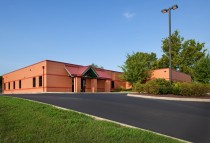
About McNabb Center — CenterPointe
High risk withdrawal is medically monitored at Centerpointe, a medical detox program in Knoxville, Tennessee.
They admit adults 18 and over, including young adults 18 to 25, for withdrawal from an opioid, alcohol or another substance.
How is detox monitored?
At Centerpointe, nurses and a clinical team deliver withdrawal care under physician approved protocols, so staff can check symptoms as they change.
What happens after detox?
Centerpointe’s average residential stay is 28 days, and it takes adults with a substance use disorder, a co-occurring mental health disorder, or both.
The 24/7 residential facility in Knoxville can now serve 72 patients after adding 26 beds, and rooms are usually shared with one roommate.
Tennessee designates the center a Co-Occurring Disorders Enhanced provider. Outpatient options are for adults who don’t need inpatient care, and medication assisted treatment with counseling is among them.
If you enter the gender specific intensive outpatient program, which includes people healing from trauma, plan on about 3 to 4 sessions each week across 6 to 12 weeks.
If you’re using insurance or paying yourself, they take private insurance, TRICARE, Medicaid, Medicare, TennCare, self pay and other state funded insurance.
| Levels of Care | Detox Service Setting | Programs | Payment Options | Medications Offered | |
|---|---|---|---|---|---|
|
Average stay is 28 days. Adults have a substance use or co-occurring disorder. You get individual, group and family therapy, plus education and skills. |
Outpatient is for adults who may not need inpatient intensity. Centerpointe offers outpatient treatment options and recovery support for that group. |
Partial hospitalization programs provide comprehensive treatment in a structured setting during the day but allow you to return home at night. These programs offer a balance of inpatient and outpatient rehab and provide intensive support without full time residency. |
Residential treatment takes adults with a substance use disorder or a co-occurring disorder. Education, skills and support are part of that stay. |
||
|
Inpatient detox occurs in a dedicated treatment facility. You’ll live there around the clock and receive intensive medical support and supervision to help manage your withdrawal symptoms. It is suitable for individuals with moderate to severe addictions as it ensures a stable detox environment. |
Outpatient detox gives you access to medically supervised withdrawal services while still allowing you to live at home. You’ll attend a clinic for treatment and monitoring. This flexible option is suitable for those with mild to moderate withdrawal symptoms who have strong support systems. |
Medication assisted treatment combines medication and counseling to manage withdrawal and reduce cravings for opioid and alcohol addiction. Medications may include methadone, buprenorphine or naltrexone. MAT is tailored to your needs so you can actively participate in your treatment journey. |
|||
|
Adults are the group served. Medical detox covers high-risk withdrawal. Residential stays average 28 days, with therapy. Outpatient is there if you may not need inpatient intensity. |
Military and veteran programs offer specialized support for clients who served in the armed services. Programs focus on reintegration and healing within a structured and supportive environment that acknowledges the unique struggles of military life.
|
Young adult programs are designed for individuals who are transitioning into adulthood. Topics of discussion typically include identity, independence and peer relationships. Providers may also offer life skills training and career support.
|
Gender-specific intensive outpatient programming may run 3 to 4 sessions a week for 6 to 12 weeks, by treatment plan. |
Gender-specific intensive outpatient programming may run 3 to 4 sessions a week across 6 to 12 weeks, by recovery needs. |
LGBTQ friendly programs create an inclusive and affirming space for recovery. Treatment is sensitive to issues like discrimination and stigma. You’ll receive support and therapy that respects and acknowledges your unique experiences.
|
|
Self Pay
|
State Family Services
|
Private Insurance
|
Sliding Scale Payment
|
Payment Assistance
|
Medicaid
|
|
Buprenorphine
|
Naltrexone (Vivitrol)
|
Levels of Care
Average stay is 28 days. Adults have a substance use or co-occurring disorder. You get individual, group and family therapy, plus education and skills.
Outpatient is for adults who may not need inpatient intensity. Centerpointe offers outpatient treatment options and recovery support for that group.
Partial hospitalization programs provide comprehensive treatment in a structured setting during the day but allow you to return home at night. These programs offer a balance of inpatient and outpatient rehab and provide intensive support without full time residency.
Residential treatment takes adults with a substance use disorder or a co-occurring disorder. Education, skills and support are part of that stay.
Detox Service Setting
Inpatient detox occurs in a dedicated treatment facility. You’ll live there around the clock and receive intensive medical support and supervision to help manage your withdrawal symptoms. It is suitable for individuals with moderate to severe addictions as it ensures a stable detox environment.
Outpatient detox gives you access to medically supervised withdrawal services while still allowing you to live at home. You’ll attend a clinic for treatment and monitoring. This flexible option is suitable for those with mild to moderate withdrawal symptoms who have strong support systems.
Medication assisted treatment combines medication and counseling to manage withdrawal and reduce cravings for opioid and alcohol addiction. Medications may include methadone, buprenorphine or naltrexone. MAT is tailored to your needs so you can actively participate in your treatment journey.
Programs
Adults are the group served. Medical detox covers high-risk withdrawal. Residential stays average 28 days, with therapy. Outpatient is there if you may not need inpatient intensity.
Gender-specific intensive outpatient programming may run 3 to 4 sessions a week for 6 to 12 weeks, by treatment plan.
Gender-specific intensive outpatient programming may run 3 to 4 sessions a week across 6 to 12 weeks, by recovery needs.
Medications Offered
Accreditations

Accepted Insurance

Contact


- Monday Open 24 hours
- Tuesday Open 24 hours
- Wednesday Open 24 hours
- Thursday Open 24 hours
- Friday Open 24 hours
- Saturday Open 24 hours
- Sunday Open 24 hours

Natalie is a recent Purdue University graduate where she studied Psychology and Creative Writing. She’s a fierce advocate for others and is committed to always showing up with a compassionate heart. She enjoys writing poetry, dancing, and playing piano in her free time.
Detox.com regularly reviews this listing for accuracy but changes may occur between updates. For the most up-to-date information, please contact McNabb Center — CenterPointe.
Nearby Detox Centers

Search by Tennessee Cities
FAQs
What levels of care does Centerpointe offer adults?
Medical detox covers high-risk withdrawal from opioids, alcohol or other substances. Residential care averages 28 days with individual, group and family therapy, and it includes co-occurring disorders care. Outpatient fits adults who may not need inpatient intensity. Gender-specific intensive outpatient may run 3 to 4 sessions a week for 6 to 12 weeks, and medication-assisted treatment and counseling services are also offered.
How long is the residential stay, and how is intensive outpatient scheduled?
Residential stays average 28 days. You get individual, group and family therapy in that time, along with education and skills. Gender-specific intensive outpatient may run 3 to 4 sessions a week for 6 to 12 weeks, depending on the treatment plan and recovery needs.
Does Centerpointe take insurance, including TennCare?
Yes. Insurance is accepted, including TennCare, which is a route for using insurance for detox. The program is taking people now for detox and residential services. Outpatient services and recovery support are offered too, in a newly renovated space.
What is the setting like after the renovation?
The space is newly renovated, with bright open areas and expanded capacity. Treatment planning is collaborative. Detox, residential treatment, outpatient services and recovery support run there.