800-262-4205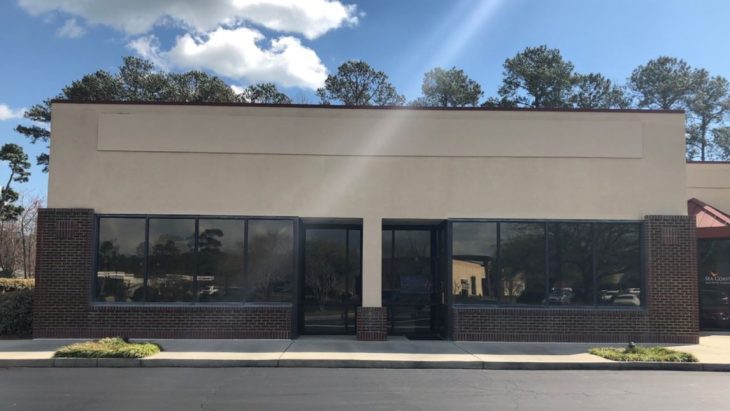
About Lifeline Treatment Center
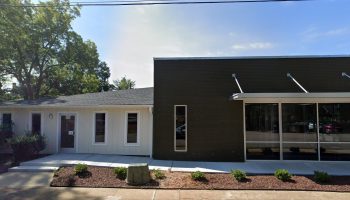
Lifeline Treatment Center was a private drug and alcohol treatment center exclusively for men aged 18 and older. It was based in Wilmington, North Carolina. Care included medication assisted treatment (MAT) for detoxification and stabilization. The facility had outpatient (OP), intensive outpatient (IOP) and partial hospitalization (PHP) programs. They specialized in treating opioid use disorder (OUD), but also helped individuals with other addictions.
The facility was conveniently located near public transportation and was only two miles from downtown Wilmington. They accepted private health insurance and tribal funds to pay for treatment. They had an income based sliding fee scale for eligible clients. Please note that this facility is permanently closed.
Supportive Addiction Treatment Services
In addition to addiction and mental health treatment, staff at the facility offered some supportive services. These included referrals to sober living accommodations for ongoing recovery treatment. Other services included mentoring, peer support, employment counseling, recovery coaching and transitional services.
Focusing on Addiction Recovery for Men
The clinicians focused on helping men address family roles, mental health concerns, and social pressures specific to men. They emphasized building good communication skills and emotional resilience.
| Levels of Care | Detox Service Setting | Programs | Payment Options | |||||
|---|---|---|---|---|---|---|---|---|
|
Inpatient
|
Partial hospitalization programs provide comprehensive treatment in a structured setting during the day but allow you to return home at night. These programs offer a balance of inpatient and outpatient rehab and provide intensive support without full-time residency. |
Outpatient
|
Aftercare programs provide ongoing support once you complete a rehab program. They may include several components to help you maintain sobriety, including therapy, community support groups, and relapse-prevention strategies. This gives you a network of resources as you reintegrate into your daily life. |
Dual Diagnosis
|
An intervention is a structured and professionally guided conversation with an individual who is struggling with addiction. During the conversation, family and friends encourage the individual to seek treatment. This is often a pivotal step for those resistant to getting help. |
|||
|
Inpatient detox occurs in a dedicated treatment facility. You’ll live there around the clock and receive intensive medical support and supervision to help manage your withdrawal symptoms. It is suitable for individuals with moderate to severe addictions as it ensures a stable detox environment. |
Outpatient detox gives you access to medically supervised withdrawal services while still allowing you to live at home. You’ll attend a clinic for treatment and monitoring. This flexible option is suitable for those with mild to moderate withdrawal symptoms who have strong support systems. |
Medication-assisted treatment combines medication and counseling to manage withdrawal and reduce cravings for opioid and alcohol addiction. Medications may include methadone, buprenorphine, or naltrexone. MAT is tailored to your needs so you can actively participate in your treatment journey. |
||||||
|
Adult programs address the substance use and life challenges specific to adults. Therapists can deliver sessions in individual, group, and family settings. Services often include job support and life-skills training in a structured environment.
|
Alcohol detox programs offer medical support to help individuals withdraw safely from alcohol. Your care team may use medications to ease your symptoms and provide medical monitoring to address complications.
|
Cognitive behavioral therapy focuses on changing harmful thought patterns and behaviors associated with addiction. You’ll learn healthier coping mechanisms by identifying and replacing negative thoughts. This improves your emotional resilience and decreases your relapse potential.
|
Exercise therapy incorporates physical activity into treatment to promote mental and physical health. Regular exercise reduces stress, boosts mood and enhances your overall wellbeing. This can give you a positive outlook and lower your relapse risk.
|
Men's programs address substance use while also considering the social pressures, family roles, and mental health concerns that are specific to men. You’ll learn healthy coping mechanisms as you build emotional resilience and develop communication skills.
|
Opioid detox uses medications to ease severe withdrawal symptoms. It also includes medical supervision to help you manage potential complications. These services allow you to stabilize and begin a recovery plan.
|
Rational behavior therapy helps you identify irrational beliefs that contribute to an addiction. Challenging and modifying those beliefs helps you develop healthier attitudes and behaviors. This therapy supports long-term sobriety and sustainable recovery.
|
Women's programs offer a safe and supportive space to focus on gender-specific issues such as trauma, family roles, and mental health conditions. Therapists tailor the sessions to address women's needs and foster empowerment in a healing and nurturing environment.
|
Young adult programs are designed for individuals who are transitioning into adulthood. Topics of discussion typically include identity, independence, and peer relationships. Providers may also offer life-skills training and career support.
|
|
Private Insurance
|
Self Pay
|
Levels of Care
Partial hospitalization programs provide comprehensive treatment in a structured setting during the day but allow you to return home at night. These programs offer a balance of inpatient and outpatient rehab and provide intensive support without full-time residency.
Aftercare programs provide ongoing support once you complete a rehab program. They may include several components to help you maintain sobriety, including therapy, community support groups, and relapse-prevention strategies. This gives you a network of resources as you reintegrate into your daily life.
An intervention is a structured and professionally guided conversation with an individual who is struggling with addiction. During the conversation, family and friends encourage the individual to seek treatment. This is often a pivotal step for those resistant to getting help.
Detox Service Setting
Inpatient detox occurs in a dedicated treatment facility. You’ll live there around the clock and receive intensive medical support and supervision to help manage your withdrawal symptoms. It is suitable for individuals with moderate to severe addictions as it ensures a stable detox environment.
Outpatient detox gives you access to medically supervised withdrawal services while still allowing you to live at home. You’ll attend a clinic for treatment and monitoring. This flexible option is suitable for those with mild to moderate withdrawal symptoms who have strong support systems.
Medication-assisted treatment combines medication and counseling to manage withdrawal and reduce cravings for opioid and alcohol addiction. Medications may include methadone, buprenorphine, or naltrexone. MAT is tailored to your needs so you can actively participate in your treatment journey.
Programs
Amenities
Accreditations

Contact



Susan is a freelance writer and photographer who loves writing from home with her dog, Jack Bauer, at her feet. Having transcribed patient charts in a mental health and addiction treatment hospital, she’s well informed on the subject of substance use and co-occurring disorder treatment. She’s experienced in content creation and writes her own photography blog and newsletter.

Peter W.Y. Lee is a historian with a focus in American Cold War culture. He has examined how popular culture has served as a coping mechanism for the challenges and changes impacting American society throughout the twentieth century.
Detox.com regularly reviews this listing for accuracy but changes may occur between updates. For the most up-to-date information, please contact Lifeline Treatment Center.