800-262-4205
MCCA


About MCCA
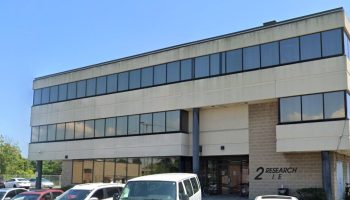
Residential medical detox is offered at MCCA, a detox center in Danbury, Connecticut. They’ll admit adult men and women.
Residential Detox in Danbury
Withdrawal care at MCCA is medically monitored, with nursing and clinical staff on duty day and night. If your symptoms shift overnight, you aren’t waiting until morning for someone to notice.
Counselors and recovery coaches work alongside the medical staff. Also, they’ll help with transportation if you need it, and the center is smoke-free and vape-free.
Continuing Care in Danbury
MCCA offers continuing care planning for the aftercare that follows the withdrawal stay, and residential treatment is also available at McDonough House in Danbury.
They offer methadone, buprenorphine or naltrexone, medications for opioid use disorder. Outpatient groups meet for three hours at a time, three meetings a week.
MCCA is based in Connecticut, established in 1972. Plus, they accept Medicaid and private health insurance, along with self-pay and government funding, and there’s a sliding fee scale.
| Levels of Care | Detox Service Setting | Programs | Payment Options | Medications Offered | |
|---|---|---|---|---|---|
|
Inpatient and residential programs provide round-the-clock medical and emotional support as you live at the treatment facility. This level of care may be recommended if you have severe addictions or mental health conditions since it removes outside distractions and allows you to focus solely on therapy. |
In outpatient therapy, you’ll attend therapy sessions several times each week while living at home. This is ideal if you have a strong support system and a lower risk of relapse. Outpatient treatment offers flexibility to maintain work, school or family obligations. |
Aftercare programs provide ongoing support after you complete a rehab program. They may include several components to help you maintain sobriety including therapy, community support groups and relapse prevention strategies. This gives you a network of resources as you reintegrate into your daily life. |
|||
|
Inpatient detox occurs in a dedicated treatment facility. You’ll live there around the clock and receive intensive medical support and supervision to help manage your withdrawal symptoms. It is suitable for individuals with moderate to severe addictions as it ensures a stable detox environment. |
Outpatient detox gives you access to medically supervised withdrawal services while still allowing you to live at home. You’ll attend a clinic for treatment and monitoring. This flexible option is suitable for those with mild to moderate withdrawal symptoms who have strong support systems. |
Medication assisted treatment combines medication and counseling to manage withdrawal and reduce cravings for opioid and alcohol addiction. Medications may include methadone, buprenorphine or naltrexone. MAT is tailored to your needs so you can actively participate in your treatment journey. |
|||
|
Adult programs address the substance use and life challenges specific to adults. Therapists can deliver sessions in individual, group and family settings. Services often include job support and life skills training in a structured environment.
|
Women's programs offer a safe and supportive space to focus on gender specific issues such as trauma, family roles and mental health conditions. Therapists tailor the sessions to address women's needs and foster empowerment in a healing and nurturing environment.
|
Men's programs address substance use while also considering the social pressures, family roles and mental health concerns that are specific to men. You’ll learn healthy coping mechanisms as you build emotional resilience and develop communication skills.
|
|||
|
Self Pay
|
Medicaid
|
State Family Services
|
Private Insurance
|
Military Insurance
|
Sliding Scale Payment
|
|
Methadone
|
Buprenorphine
|
Naltrexone (Vivitrol)
|
Suboxone
|
Levels of Care
Inpatient and residential programs provide round-the-clock medical and emotional support as you live at the treatment facility. This level of care may be recommended if you have severe addictions or mental health conditions since it removes outside distractions and allows you to focus solely on therapy.
In outpatient therapy, you’ll attend therapy sessions several times each week while living at home. This is ideal if you have a strong support system and a lower risk of relapse. Outpatient treatment offers flexibility to maintain work, school or family obligations.
Aftercare programs provide ongoing support after you complete a rehab program. They may include several components to help you maintain sobriety including therapy, community support groups and relapse prevention strategies. This gives you a network of resources as you reintegrate into your daily life.
Detox Service Setting
Inpatient detox occurs in a dedicated treatment facility. You’ll live there around the clock and receive intensive medical support and supervision to help manage your withdrawal symptoms. It is suitable for individuals with moderate to severe addictions as it ensures a stable detox environment.
Outpatient detox gives you access to medically supervised withdrawal services while still allowing you to live at home. You’ll attend a clinic for treatment and monitoring. This flexible option is suitable for those with mild to moderate withdrawal symptoms who have strong support systems.
Medication assisted treatment combines medication and counseling to manage withdrawal and reduce cravings for opioid and alcohol addiction. Medications may include methadone, buprenorphine or naltrexone. MAT is tailored to your needs so you can actively participate in your treatment journey.
Programs
Medications Offered
Amenities
Accreditations


Accepted Insurance
Contact


- Monday 8:30AM - 8:30PM
- Tuesday 8:30AM - 5PM
- Wednesday 9AM - 8:30PM
- Thursday 9AM - 8:30PM
- Friday 9AM - 2PM
- Saturday 9AM - 3PM
- Sunday Closed

Amy Greene is an award-winning novelist and essayist. Her acclaimed debut novel, Bloodroot, was a New York Times national best seller. Her second novel, Long Man, was named a Best Book of the Year by The Washington Post in 2014. Her essays have appeared in publications such as The New York Times and Glamor Magazine. She currently resides in her native East Tennessee, amid the mountains she loves. In both her fiction and her nonfiction writing, Amy is dedicated exploring complex issues of mental health and spiritual and emotional wellbeing.
Detox.com regularly reviews this listing for accuracy but changes may occur between updates. For the most up-to-date information, please contact MCCA.