800-671-4304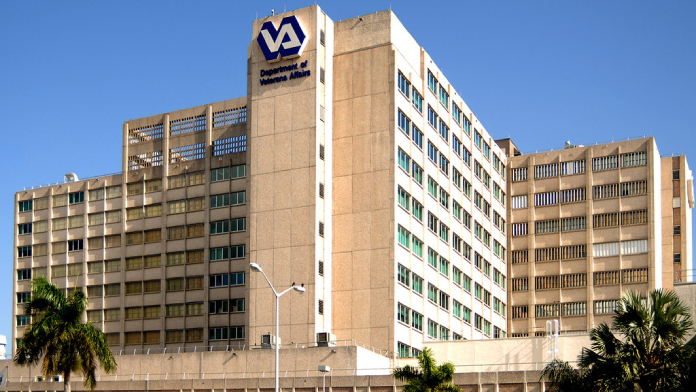
About Miami VA Medical Center
Miami VA Medical Center is also known as the Bruce W. Carter VA Medical Center. This is a major VA hospital in Miami, Florida. They provide healthcare for veterans, including substance use disorder and mental health treatment through its Outpatient Substance Abuse Clinic (OSAC).
Veterans and their families can access outpatient medication-assisted treatment (MAT) and higher levels of care like inpatient detox and residential programs, especially when addiction overlaps with PTSD, anxiety or depression. With integrated medical and behavioral health services under one roof, the program supports clinical needs and real-life stability, including help with challenges like homelessness or unemployment.
Veteran-Focused Treatment in Miami
OSAC features options ranging from individual and group counseling to assessments and case management. For opioid and alcohol use disorders, the program provides MAT such as buprenorphine, methadone and naltrexone.
Treatment typically blends counseling, motivational interviewing, and relapse prevention with coordinated support that addresses co-occurring mental health and physical ailments through the MOVE! program. Veterans can also access inpatient care and medical detox when withdrawal is severe or psychiatric symptoms require hospital-level support.
Inclusive Recovery Support
Miami VA provides trauma-informed care for veterans impacted by combat trauma or military sexual trauma, with integrated support for PTSD and related concerns. The program also offers tailored coordination for LGBTQ+ veterans and seniors and includes tobacco and nicotine dependence services within its broader recovery approach.
Access, Coverage &Next Steps
Care is available in person at the main Miami campus and through telehealth and remote services across many addiction and mental health programs for Miami-Dade County and surrounding South Florida.
Most necessary services are covered for eligible veterans through VA health care, often at no cost, with some situations potentially involving federal military insurance such as TRICARE.
| Levels of Care | Detox Service Setting | Programs | Payment Options |
|---|---|---|---|
|
Inpatient and residential programs provide round-the-clock medical and emotional support as you live at the treatment facility. This level of care may be recommended if you have severe addictions or mental health conditions since it removes outside distractions and allows you to focus solely on therapy. |
In outpatient therapy, you’ll attend therapy sessions several times each week while living at home. This is ideal if you have a strong support system and a lower risk of relapse. Outpatient treatment offers flexibility to maintain work, school or family obligations. |
||
|
Inpatient detox occurs in a dedicated treatment facility. You’ll live there around the clock and receive intensive medical support and supervision to help manage your withdrawal symptoms. It is suitable for individuals with moderate to severe addictions as it ensures a stable detox environment. |
Outpatient detox gives you access to medically supervised withdrawal services while still allowing you to live at home. You’ll attend a clinic for treatment and monitoring. This flexible option is suitable for those with mild to moderate withdrawal symptoms who have strong support systems. |
||
|
Alcohol detox programs offer medical support to help individuals withdraw safely from alcohol. Your care team may use medications to ease your symptoms and provide medical monitoring to address complications. |
Drug detox programs support individuals who are withdrawing from addictive substances like cocaine and heroin. Medical support helps you manage symptoms in a controlled and safe environment so you can achieve initial sobriety. |
||
|
Private Insurance
|
Self Pay
|
Levels of Care
Inpatient and residential programs provide round-the-clock medical and emotional support as you live at the treatment facility. This level of care may be recommended if you have severe addictions or mental health conditions since it removes outside distractions and allows you to focus solely on therapy.
In outpatient therapy, you’ll attend therapy sessions several times each week while living at home. This is ideal if you have a strong support system and a lower risk of relapse. Outpatient treatment offers flexibility to maintain work, school or family obligations.
Detox Service Setting
Inpatient detox occurs in a dedicated treatment facility. You’ll live there around the clock and receive intensive medical support and supervision to help manage your withdrawal symptoms. It is suitable for individuals with moderate to severe addictions as it ensures a stable detox environment.
Outpatient detox gives you access to medically supervised withdrawal services while still allowing you to live at home. You’ll attend a clinic for treatment and monitoring. This flexible option is suitable for those with mild to moderate withdrawal symptoms who have strong support systems.
Programs
Alcohol detox programs offer medical support to help individuals withdraw safely from alcohol. Your care team may use medications to ease your symptoms and provide medical monitoring to address complications.
Drug detox programs support individuals who are withdrawing from addictive substances like cocaine and heroin. Medical support helps you manage symptoms in a controlled and safe environment so you can achieve initial sobriety.