

 800-262-4205
7 Summit Pathways


About 7 Summit Pathways
Outpatient detox is the withdrawal care at 7 Summit Pathways, a detox center in Tampa, Florida.
Outpatient Detox in Tampa
Staff monitor withdrawal and symptoms at 7 Summit Pathways. Physicians and licensed therapists are the staff ready for clients.
You don’t stay overnight, since this detox isn’t for people who need medical supervision around the clock.
Partial Hospitalization and Medication in Tampa
7 Summit also offers partial hospitalization that runs day and night, and people stay at least 28 days. During those weeks they stay in sober living that the program facilitates, meaning there is a bed for those nights.
Daily Alcoholics Anonymous meetings run through the stay.
Intensive outpatient care has two schedules and you’ll go home after treatment. The program uses Suboxone, which combines buprenorphine and naloxone.
It usees Sublocade, an extended release buprenorphine, for opioid use disorder. Vivitrol is offered to lower relapse risk.
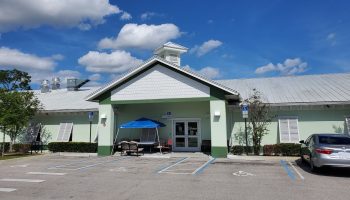
The campus sits in east Tampa, Florida and it’s open at any hour, all week. If you’re concerned about paying, the program is in network with TRICARE, and financing is there if you don’t have insurance.
| Levels of Care | Detox Service Setting | Programs | Payment Options | Medications Offered |
|---|---|---|---|---|
|
Inpatient and residential programs provide round-the-clock medical and emotional support as you live at the treatment facility. This level of care may be recommended if you have severe addictions or mental health conditions since it removes outside distractions and allows you to focus solely on therapy. |
Ongoing support without a heavy schedule. The outpatient programs fit people who still want help but don’t need much structure around the day. |
Aftercare at the center is for people who finished another program there and want support. It gives continued support in recovery. |
Sober living homes provide a supportive and substance free environment for you to live in as you overcome your addiction. Residents must follow house rules and support each other’s recovery journeys. Sober living fosters accountability and stability during this critical phase of recovery. |
An intervention is a structured and professionally guided conversation with an individual who is struggling with addiction. During the conversation, family and friends will encourage you to seek treatment. This is often a pivotal step for those resistant to getting help. |
|
Inpatient detox occurs in a dedicated treatment facility. You’ll live there around the clock and receive intensive medical support and supervision to help manage your withdrawal symptoms. It is suitable for individuals with moderate to severe addictions as it ensures a stable detox environment. |
Outpatient detox, also called ambulatory, is for people who don’t need 24/7 medical supervision. A team of addiction specialists watches the withdrawal closely. |
For opioid addiction treatment, medication support includes Suboxone. That drug combines buprenorphine and naloxone, and it’s often used for that kind of care. |
||
|
Adult programs address the substance use and life challenges specific to adults. Therapists can deliver sessions in individual, group and family settings. Services often include job support and life skills training in a structured environment.
|
Women's programs offer a safe and supportive space to focus on gender specific issues such as trauma, family roles and mental health conditions. Therapists tailor the sessions to address women's needs and foster empowerment in a healing and nurturing environment.
|
Men's programs address substance use while also considering the social pressures, family roles and mental health concerns that are specific to men. You’ll learn healthy coping mechanisms as you build emotional resilience and develop communication skills.
|
||
|
Self Pay
|
State Family Services
|
|||
|
Naltrexone (Vivitrol)
|
Suboxone
|
Levels of Care
Inpatient and residential programs provide round-the-clock medical and emotional support as you live at the treatment facility. This level of care may be recommended if you have severe addictions or mental health conditions since it removes outside distractions and allows you to focus solely on therapy.
Ongoing support without a heavy schedule. The outpatient programs fit people who still want help but don’t need much structure around the day.
Aftercare at the center is for people who finished another program there and want support. It gives continued support in recovery.
Sober living homes provide a supportive and substance free environment for you to live in as you overcome your addiction. Residents must follow house rules and support each other’s recovery journeys. Sober living fosters accountability and stability during this critical phase of recovery.
An intervention is a structured and professionally guided conversation with an individual who is struggling with addiction. During the conversation, family and friends will encourage you to seek treatment. This is often a pivotal step for those resistant to getting help.
Detox Service Setting
Inpatient detox occurs in a dedicated treatment facility. You’ll live there around the clock and receive intensive medical support and supervision to help manage your withdrawal symptoms. It is suitable for individuals with moderate to severe addictions as it ensures a stable detox environment.
Outpatient detox, also called ambulatory, is for people who don’t need 24/7 medical supervision. A team of addiction specialists watches the withdrawal closely.
For opioid addiction treatment, medication support includes Suboxone. That drug combines buprenorphine and naloxone, and it’s often used for that kind of care.
Programs
Medications Offered
Amenities
Accreditations


Accepted Insurance

Contact


- Monday 8AM - 5PM
- Tuesday 8AM - 5PM
- Wednesday 8AM - 5PM
- Thursday 8AM - 5PM
- Friday 8AM - 5PM
- Saturday 8AM - 5PM
- Sunday 8AM - 5PM

Maygen Brockway, MTC, lives in scenic Southern Utah and has over 10 years of editing and writing experience. She’s created content for the medical, wedding, fashion, and technical industries. She loves poetry and coffee, writing, and being a social butterfly and a mom.
Detox.com regularly reviews this listing for accuracy but changes may occur between updates. For the most up-to-date information, please contact 7 Summit Pathways.
Nearby Detox Centers


Search by Florida Cities
FAQs
Which medications does 7 Summit Pathways use for opioid treatment?
Suboxone, Sublocade and Vivitrol. Suboxone pairs buprenorphine with naloxone for opioid addiction treatment. Sublocade is an extended-release buprenorphine medication meant to ease opioid withdrawal symptoms. Vivitrol is a naltrexone brand used to lower relapse risk. Read more on medication assisted detox.
What levels of care can you get at this Tampa program?
Outpatient detox if you don’t need 24/7 supervision, a day-night PHP of at least 28 days with residency options, and IOP with two schedules so you can go home after. There’s also lighter outpatient care, aftercare once you’ve finished another program here, sober living in Tampa and Suboxone for opioid treatment. Co-occurring disorders are treated too. See aftercare planning for what continued support can look like.
How long is the day-night PHP, and how is IOP scheduled?
The day-night PHP keeps people in treatment for at least 28 days after an evaluation, and residency is an option while they’re active. IOP has two schedule choices so you can go home after sessions. Outpatient is the lighter end: ongoing support without much structure. Detox is ambulatory, for people who don’t need 24/7 medical supervision.
Can you use insurance, or is there a financing option?
Yes. Most insurance plans are accepted, and the program is in-network with several major carriers, including Tricare, Cigna, UnitedHealthcare, Aetna and BlueCross BlueShield. If you don’t have insurance, you can check whether you qualify for financing. Here’s a plain look at using insurance for detox.