

 800-262-4205
Prosperity Counseling


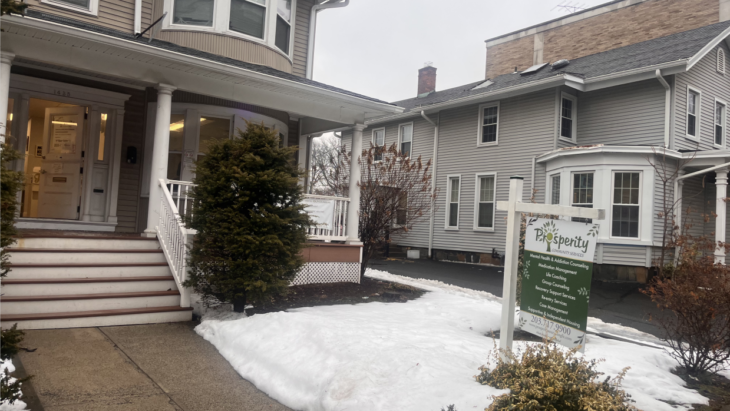





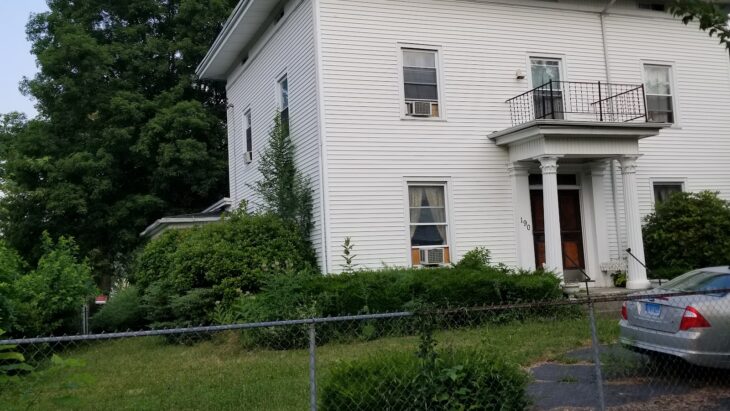
About Prosperity Counseling
If you’re recovering from addiction, you’ll find outpatient counseling for substance use and mental health concerns at Prosperity Counseling. This clinic in New Haven, Connecticut has in person sessions or they have online options.
They can help couples counseling and family counseling too. But it’s important to note that they don’t have detox services here. They can connect you with a detox center in the area if you’re at that stage in your recovery.
The practice works with adults and seniors who are 65 and older, as well as kids and teens. They’ve been serving the New Haven area since 2018.
The team here includes a drug and alcohol counselor and an addiction medicine physician. If you could benefit from psychitric medicines, they can help with medication management too.
Do they serve clients after incarceration?
Yes, Prosperity Counseling has specialized services for people returning to the community after jail or prison. Your counseling will help with substance use but also with the transition home. Their goal is to make it easier for you to come home and also to set you up for a life where you won’t be back behind bars.
Can you have counseling from home?
Yes, they have telehealth therapy as an option here so you can have your therapy sessions over video from anywhere. This makes it easier to fit your treatment around your work or school schedule so you don’t have to compromise on either one.
The clinic accepts many health insurance plans, including Medicaid, Medicare, HUSKY Health and TRICARE. They have self pay options as well.
The clinic is a partner of Prosperity House, Inc., a nonprofit that provides supportive sober housing.
| Levels of Care | Detox Service Setting | Programs | Payment Options | |||||
|---|---|---|---|---|---|---|---|---|
|
Inpatient and residential programs provide round-the-clock medical and emotional support as you live at the treatment facility. This level of care may be recommended if you have severe addictions or mental health conditions since it removes outside distractions and allows you to focus solely on therapy. |
In outpatient therapy, you’ll attend therapy sessions several times each week while living at home. This is ideal if you have a strong support system and a lower risk of relapse. Outpatient treatment offers flexibility to maintain work, school or family obligations. |
|||||||
|
Inpatient detox occurs in a dedicated treatment facility. You’ll live there around the clock and receive intensive medical support and supervision to help manage your withdrawal symptoms. It is suitable for individuals with moderate to severe addictions as it ensures a stable detox environment. |
Outpatient detox gives you access to medically supervised withdrawal services while still allowing you to live at home. You’ll attend a clinic for treatment and monitoring. This flexible option is suitable for those with mild to moderate withdrawal symptoms who have strong support systems. |
|||||||
|
Alcohol detox programs offer medical support to help individuals withdraw safely from alcohol. Your care team may use medications to ease your symptoms and provide medical monitoring to address complications.
|
Drug detox programs support individuals who are withdrawing from addictive substances like cocaine and heroin. Medical support helps you manage symptoms in a controlled and safe environment so you can achieve initial sobriety.
|
Children and adolescents are among the people treated here, which means a teenager fits the caseload. |
Adult programs address the substance use and life challenges specific to adults. Therapists can deliver sessions in individual, group and family settings. Services often include job support and life skills training in a structured environment. |
Senior programs address the unique needs of older adults like chronic pain, grief and isolation. Programs include peer support and medical oversight for age related health concerns. The goal is to improve quality of life and promote sober aging. |
Women’s programs offer a safe and supportive space to focus on gender specific issues such as trauma, family roles and mental health conditions. Therapists tailor the sessions to address women’s needs and foster empowerment in a healing and nurturing environment. |
Men’s programs address substance use while also considering the social pressures, family roles and mental health concerns that are specific to men. You’ll learn healthy coping mechanisms as you build emotional resilience and develop communication skills. |
LGBTQ friendly programs create an inclusive and affirming space for recovery. Treatment is sensitive to issues like discrimination and stigma. You’ll receive support and therapy that respects and acknowledges your unique experiences. |
Cognitive behavioral therapy focuses on changing harmful thought patterns and behaviors associated with addiction. You’ll learn healthier coping mechanisms by identifying and replacing negative thoughts. This improves your emotional resilience and decreases your relapse potential. |
|
Private Insurance
|
Self Pay
|
Sliding Scale Payment
|
Levels of Care
Inpatient and residential programs provide round-the-clock medical and emotional support as you live at the treatment facility. This level of care may be recommended if you have severe addictions or mental health conditions since it removes outside distractions and allows you to focus solely on therapy.
In outpatient therapy, you’ll attend therapy sessions several times each week while living at home. This is ideal if you have a strong support system and a lower risk of relapse. Outpatient treatment offers flexibility to maintain work, school or family obligations.
Detox Service Setting
Inpatient detox occurs in a dedicated treatment facility. You’ll live there around the clock and receive intensive medical support and supervision to help manage your withdrawal symptoms. It is suitable for individuals with moderate to severe addictions as it ensures a stable detox environment.
Outpatient detox gives you access to medically supervised withdrawal services while still allowing you to live at home. You’ll attend a clinic for treatment and monitoring. This flexible option is suitable for those with mild to moderate withdrawal symptoms who have strong support systems.
Programs
Children and adolescents are among the people treated here, which means a teenager fits the caseload.
Adult programs address the substance use and life challenges specific to adults. Therapists can deliver sessions in individual, group and family settings. Services often include job support and life skills training in a structured environment.
Senior programs address the unique needs of older adults like chronic pain, grief and isolation. Programs include peer support and medical oversight for age related health concerns. The goal is to improve quality of life and promote sober aging.
Women’s programs offer a safe and supportive space to focus on gender specific issues such as trauma, family roles and mental health conditions. Therapists tailor the sessions to address women’s needs and foster empowerment in a healing and nurturing environment.
Men’s programs address substance use while also considering the social pressures, family roles and mental health concerns that are specific to men. You’ll learn healthy coping mechanisms as you build emotional resilience and develop communication skills.
LGBTQ friendly programs create an inclusive and affirming space for recovery. Treatment is sensitive to issues like discrimination and stigma. You’ll receive support and therapy that respects and acknowledges your unique experiences.
Cognitive behavioral therapy focuses on changing harmful thought patterns and behaviors associated with addiction. You’ll learn healthier coping mechanisms by identifying and replacing negative thoughts. This improves your emotional resilience and decreases your relapse potential.
Amenities
Accepted Insurance







Contact


- Monday 9AM - 7PM
- Tuesday 9AM - 7PM
- Wednesday 9AM - 7PM
- Thursday 9AM - 7PM
- Friday 9AM - 7PM
- Saturday 9AM - 12PM

Nikki Wisher is an Atlanta-based content writer with over a decade of experience specializing in health and wellness. While she spends most of her days writing about various aspects of health, from addiction recovery to fitness to skin care, she also writes content in many other areas like photography, beauty, and marketing. Her passion project is her inclusive running blog, forallrunners.com.
Detox.com regularly reviews this listing for accuracy but changes may occur between updates. For the most up-to-date information, please contact Prosperity Counseling.
Nearby Detox Centers



Search by Connecticut Cities
FAQs
Does Prosperity Counseling offer telehealth as well as office visits?
Yes. Outpatient services are part of what the practice offers here, and teletherapy lets a person meet a counselor without traveling. Connecting with a counselor this way takes no travel at all.
Does teletherapy replace office visits here?
No, it is counseling without the travel. Teletherapy is counseling held remotely, so a person meets a counselor without travel taking up part of the day. The session itself happens just through a connection rather than in a room.
How do you pay for a counseling session in New Haven?
Through insurance. The practice takes all the insurances, so a policy is the route to paying for sessions. What a specific plan covers is the part that depends on the plan.
What area does the practice serve?
The Greater New Haven area. Couples, families and groups are among the people seen there, and the counseling is based in New Haven itself, so the region and the office line up.