360-639-5550
The Recovery Village Ridgefield Detox Center
Vancouver, WA
98662
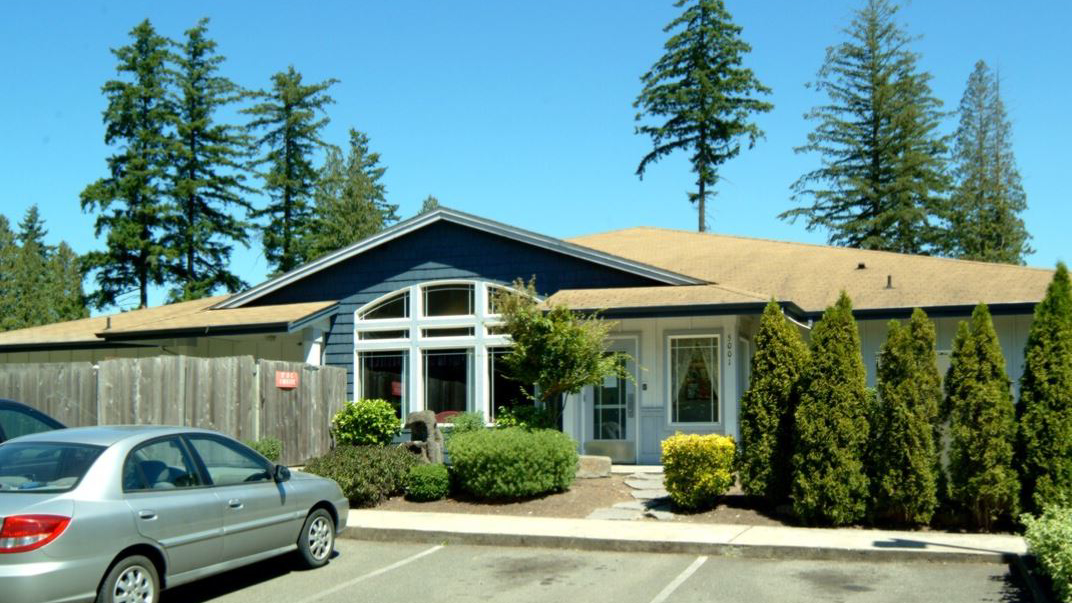
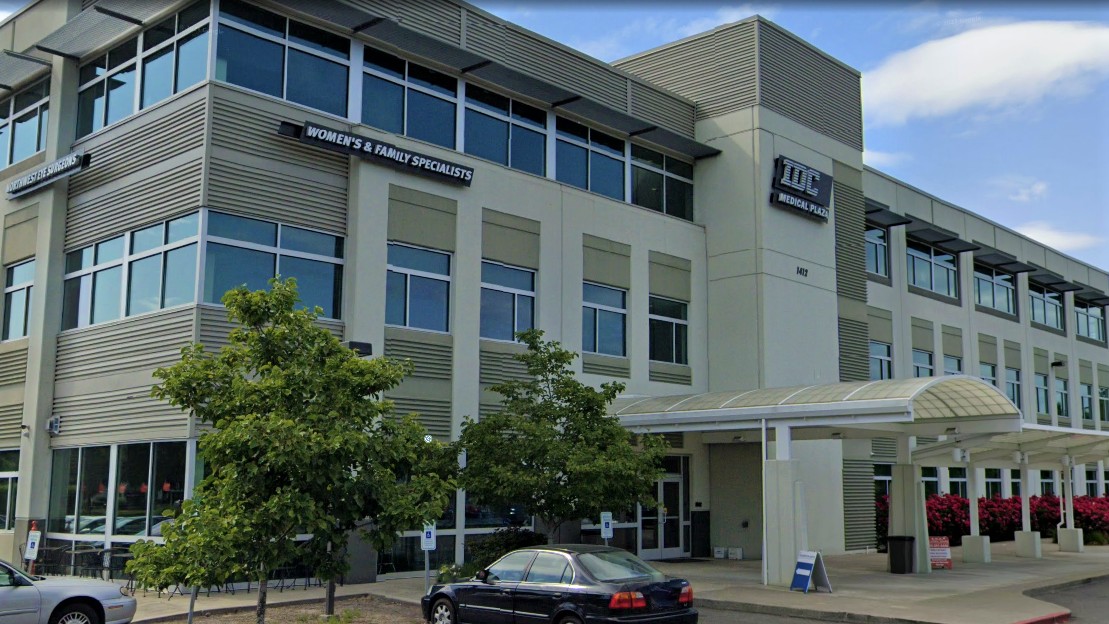
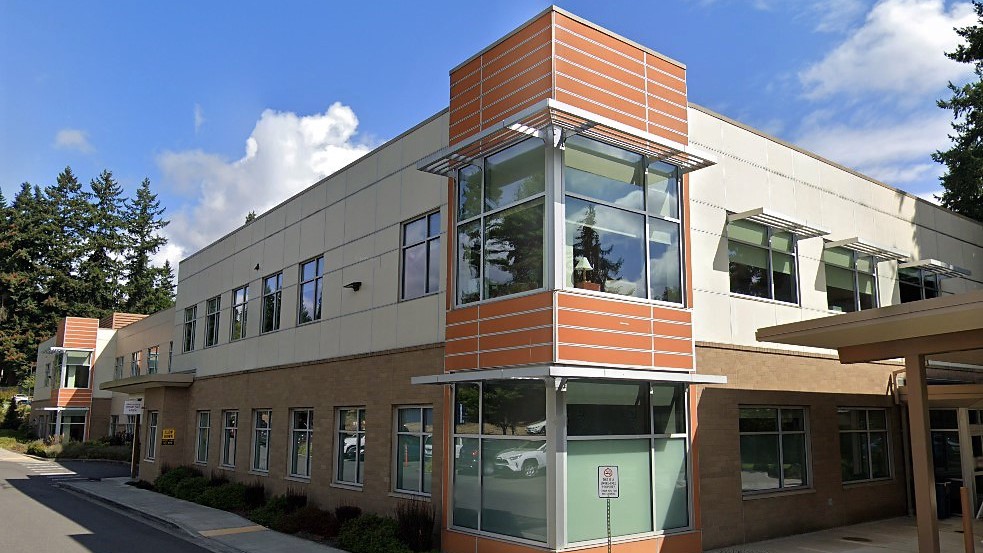
| Name | Address | Detox Service Setting | Levels Of Care | Media |
|---|---|---|---|---|
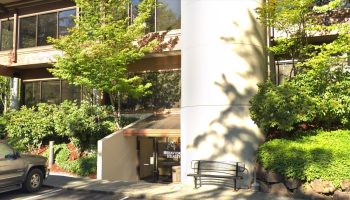
Associated Behavioral Health Care Bellevue |
1800 112th Avenue Northeast Bellevue, WA 98004 |
Detox Service Setting
Outpatient Detox
|
Levels Of Care
OutpatientAftercareDual Diagnosis
|
|
Hazelden Betty Ford Foundation |
1231 116th Ave NE Bellevue, WA 98004 |
Detox Service Setting
Inpatient DetoxOutpatient Detox
|
Levels Of Care
InpatientOutpatient
|

|
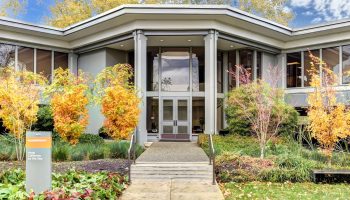
Hotel California by the Sea |
1601 114th Avenue Southeast Bellevue, WA 98004 |
Detox Service Setting
Inpatient DetoxOutpatient Detox
|
Levels Of Care
InpatientOutpatientDual Diagnosis+1
|
|
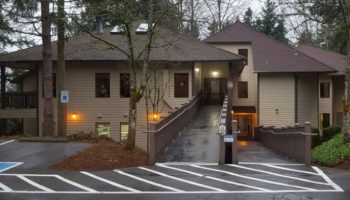
IKRON Corporation of Greater Seattle Main |
3805 108th Ave NE Bellevue, WA 98004 |
Detox Service Setting
Inpatient DetoxOutpatient Detox
|
Levels Of Care
InpatientOutpatient
|
|
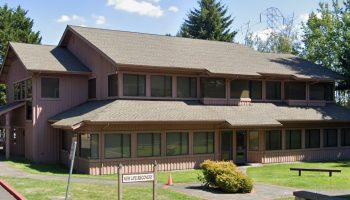
New Life Recovery Solutions Bellevue |
12330 Northeast 8th Street Bellevue, WA 98005 |
Detox Service Setting
Outpatient Detox
|
Levels Of Care
Outpatient
|
|
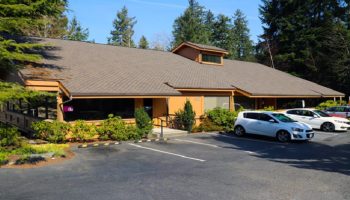
Therapeutic Health Services Eastside Branch |
1412 140th Place Northeast Bellevue, WA 98007 |
Detox Service Setting
Outpatient Detox
|
Levels Of Care
OutpatientAftercareDual Diagnosis
|
|
New Life Recovery Solutions |
12330 Northeast 8th Street Bellevue, WA 98005 |
Detox Service Setting
Outpatient DetoxMAT
|
Levels Of Care
Outpatient
|
|
THIRA Health |
11400 SE 6th St Ste 200 Bellevue, WA 98004 |
Detox Service Setting
Hospital DetoxInpatient DetoxOutpatient Detox
|
Levels Of Care
InpatientOutpatientDual Diagnosis+2
|
|
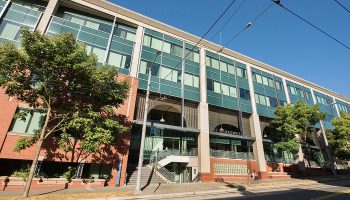
Harborview Medical Center Addictions |
401 Broadway Seattle, WA 98122 |
Detox Service Setting
Outpatient Detox
|
Levels Of Care
OutpatientDual Diagnosis
|
|
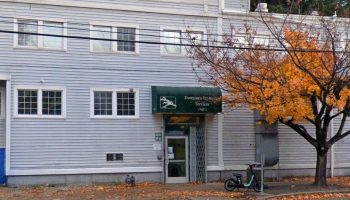
Evergreen Treatment Services Seattle Clinic |
1700 Airport Way South Seattle, WA 98134 |
Detox Service Setting
Outpatient Detox
|
Levels Of Care
OutpatientDual Diagnosis
|
|
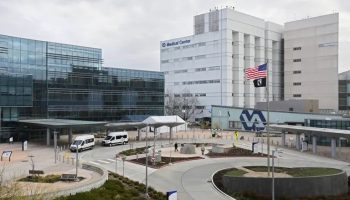
Seattle VA Medical Center |
1660 South Columbian Way Seattle, WA 98108 |
Detox Service Setting
Inpatient DetoxOutpatient Detox
|
Levels Of Care
InpatientOutpatientAftercare+1
|
|
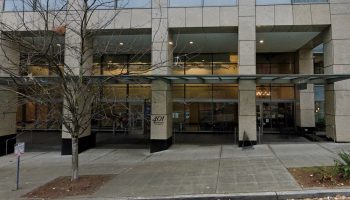
King County Behavioral Health and Recovery Division |
401 5th Avenue Seattle, WA 98104 |
Detox Service Setting
Inpatient DetoxOutpatient DetoxMAT
|
Levels Of Care
InpatientPHPOutpatient+3
|
|
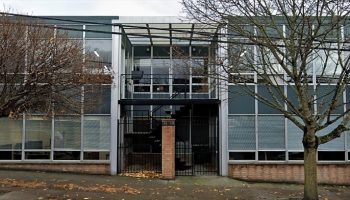
Northbound Treatment Services |
510 2nd Ave W Seattle, WA 98119 |
Detox Service Setting
Inpatient DetoxOutpatient Detox
|
Levels Of Care
InpatientOutpatient
|
|
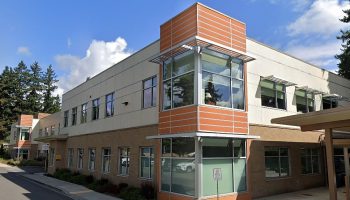
BHC Fairfax Behavioral Health Kirkland |
10200 Northeast 132nd Street Kirkland, WA 98034 |
Detox Service Setting
Inpatient Detox
|
Levels Of Care
InpatientDual Diagnosis
|
|
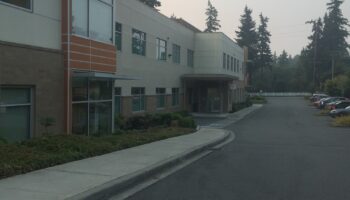
Fairfax Hospital |
10200 Northeast 132nd Street Kirkland, WA 98034 |
Detox Service Setting
Inpatient DetoxHospital DetoxMAT
|
Levels Of Care
InpatientOutpatientPHP+2
|
|
Bellevue’s detoxification landscape is integrated into the broader King County behavioral health system, offering access to high-quality private care alongside robust county-funded safety nets. These programs are regulated primarily by the Washington State Department of Health (DOH) and the Health Care Authority (HCA).
Locally, the system is heavily focused on Medication-Assisted Treatment (MAT) and evidence-based interventions to combat the ongoing fentanyl crisis.
The King County Behavioral Health and Recovery Division (BHRD) manages public funding, including the MIDD Behavioral Health Sales Tax Fund, which injects millions into countywide mental health and substance use initiatives.
For those navigating care in Bellevue and the broader Eastside, understanding the network is crucial.
While Bellevue hosts premium private centers and outpatient services like Connections and Pacific Sky Recovery Center, many of the high-capacity, state-funded inpatient detox facilities are located across Lake Washington in Seattle or further south in King County.
Accessibility via King County Metro or Sound Transit is often necessary for those relying on public treatment networks.
Recent initiatives highlight a strong regional pivot toward low-barrier care. King County has launched a 24/7 telehealth line connecting residents directly to physicians who can prescribe buprenorphine over the phone, removing the added stress of scheduling an in-person appointment during acute withdrawal.
Additionally, while looming federal Medicaid cuts threaten some statewide opioid programs, local authorities are proactively working to shield Washington Apple Health patients from disruptions in life-saving addiction care.
The cost of drug detox in Bellevue varies based on many factors. For those in need, there are financial solutions available to assist you in receiving quality care on the Eastside.
The cost of detox in Bellevue varies and is based on the level of care, the severity of the addiction and whether the facility is a luxury private center or a state-funded program.
Inpatient care with 24/7 medical supervision is naturally more expensive than outpatient management. Many Bellevue residents utilize private insurance, Washington Apple Health (Medicaid) or county grants to reduce out-of-pocket expenses.
Outpatient MAT programs combine prescribed medications with counseling, offering a more affordable route for those who can safely manage withdrawal at home.
Estimated average costs in Washington State before insurance:
Private insurance companies must comply with the Affordable Care Act, ensuring that substance abuse and mental health treatment receive the same level of coverage as standard medical care. The Washington State Office of the Insurance Commissioner enforces these parity laws.
You can check network status through the Washington Healthplanfinder. The most common commercial insurance providers in Washington include:
Medicare: Medicare covers inpatient and outpatient detox services in Bellevue. Under Part B, it also covers Opioid Treatment Program (OTP) services, including medications like methadone and buprenorphine. Deductibles and copays will depend on your specific Medicare plan and the treatment setting.
Medicaid: In Washington, Medicaid is known as Apple Health. It covers comprehensive detox, residential rehab and MAT services. For Bellevue residents, King County’s Behavioral Health and Recovery Division (BHRD) oversees Apple Health enrollments and treatment placements.
Don’t let the cost of treatment prevent you from accessing alcohol or drug detox in Bellevue. There are alternative funding avenues available for those without comprehensive private insurance, including:

Organizations like Sea Mar Community Health Centers, which operate in King County, adjust their treatment fees based on federal poverty guidelines and your personal income.
Youth Eastside Services (YES) provides substance use treatment and mental health counseling to youth and families in Bellevue, regardless of their ability to pay, relying heavily on community donations.
The King County MIDD Behavioral Health Sales Tax Fund helps finance behavioral health and recovery services for low-income, non-Medicaid-eligible residents in the region.
Veterans in the Bellevue area can access specialized federal funding and detox care through the VA Puget Sound Health Care System, which offers comprehensive addiction treatment services.
There are several key regulatory and accreditation bodies that oversee detox and withdrawal management services in Bellevue and Washington State.
The Health Care Authority (HCA) is the primary state agency providing funding, policy direction, and oversight for substance use treatment services. They manage Washington Apple Health (Medicaid) and ensure that certified treatment agencies deliver evidence-based care.
The DOH serves as the main licensing and regulatory authority for behavioral health agencies and residential treatment facilities in Washington. They enforce safety, staffing, and clinical standards to protect patients undergoing medical detox.
As the local oversight body for Bellevue and the surrounding region, the BHRD manages the local crisis network and public behavioral health funding. They contract with local agencies to ensure Medicaid-eligible and low-income residents receive compliant, high-quality detox services.
Medication-assisted treatment (MAT) in Bellevue is regulated by federal SAMHSA guidelines, state HCA policies, and RCW 71.24.595, which mandates that the state eliminate barriers to effective medications.
As well, Washington law protects patients on MAT from discrimination in medical facilities, shelters, and social services.
Some of the most commonly used medications in MAT include:
Widely accessible across King County, buprenorphine can be prescribed by primary care doctors and behavioral health providers. King County operates a 24/7 telehealth hotline allowing residents to get an immediate buprenorphine prescription over the phone.
Highly regulated and dispensed strictly through state-certified Opioid Treatment Programs (OTPs). While the daily clinic visits require commitment, it remains a heavily utilized, evidence-based treatment covered by Apple Health.
As an opioid antagonist with no potential for abuse, naltrexone can be prescribed by any licensed medical professional. It works by blocking the euphoric effects of opioids and alcohol, making it a common choice for relapse prevention following acute detox.
King County has a highly proactive approach to harm reduction, prioritizing public health strategies that keep people alive and connected to care.
While Bellevue is generally more affluent than neighboring Seattle, the Eastside is not immune to the synthetic opioid crisis.
Local health departments and community organizations collaborate to distribute free naloxone, test strips and safer-use supplies, aiming to prevent fatal overdoses and offer bridges to formalized detox programs.
Free nasal naloxone, fentanyl test strips, safer sex kits and hygiene wipes. Additionally, King County has installed harm reduction vending machines across the region to provide anonymous, low-barrier access to life-saving supplies.
These resources help to reduce the stigma associated with obtaining overdose prevention tools.
Intramuscular and nasal naloxone, fentanyl test strips, peer support and safer sex kits. Operating just outside Bellevue, these peer-run organizations provide a welcoming space for individuals navigating addiction.
They distribute vital harm reduction supplies while offering lived-experience coaching to guide individuals toward recovery.
Nasal naloxone, fentanyl test strips, wound care kits and survival supplies. While based in nearby Seattle, this vital resource serves marginalized and unhoused youth across King County.
They provide tailored harm reduction supplies and case management specifically designed for individuals 24 and under.
24/7 crisis intervention, naloxone education, treatment referrals and MAT linkage. They are funded by the state, and provide an around-the- clock helpline that serves as a virtual harm reduction tool.
Their counselors offer immediate support, guide callers on how to use overdose reversal drugs and connect Bellevue residents directly to local detox beds.
The influx of synthetic opioids has dramatically altered the addiction landscape in Washington, forcing local authorities to expand emergency interventions.
While preliminary data show some recent stabilization, the Eastside and broader King County continue to face severe public health challenges.
In 2023, King County recorded an overdose death rate of 55.1 per 100,000 residents, remaining significantly higher than the national average.
In 2023 and 2024, synthetic opioids, primarily fentanyl, have accounted for over 90% of all opioid-involved overdose deaths in Washington state.
The overall drug overdose death rate in Washington state has increased by 3.2 times since 2013, driven almost entirely by the illicit fentanyl supply.
If you have Washington Apple Health (Medicaid), your care is managed by the King County Behavioral Health and Recovery Division (BHRD). You can contact their Client Services line directly to find a contracted inpatient and outpatient detox facility that accepts your coverage on the Eastside.
Yes. King County operates a 24/7 Buprenorphine telehealth line. By calling 206-289-0287, Bellevue residents can speak with a physician and receive a prescription for opioid use medication over the phone, avoiding long waits at a physical clinic.
For immediate help, Bellevue residents can call or text the national 988 lifeline, or reach out to the King County Regional Crisis Line at 206-461-3222.
Mobile behavioral health responders can be dispatched to assist you or schedule a rapid assessment.
Yes. Youth Eastside Services (YES), located in Bellevue, specializes in treating youth ages birth to 22.
They provide comprehensive substance use treatment, mental health counseling and family support, regardless of a family’s ability to pay.
Yes, naloxone (Narcan) is widely available for free in the Bellevue area. King County Public Health offers it at several locations, and it is stocked in automated public health vending machines across the region.
Additionally, many local pharmacies can dispense it directly under Washington’s standing order.