

 800-262-4205
Rogers Behavioral Health Appleton

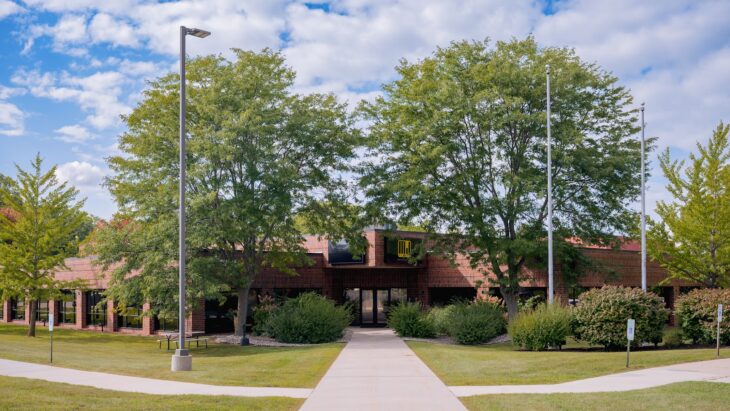
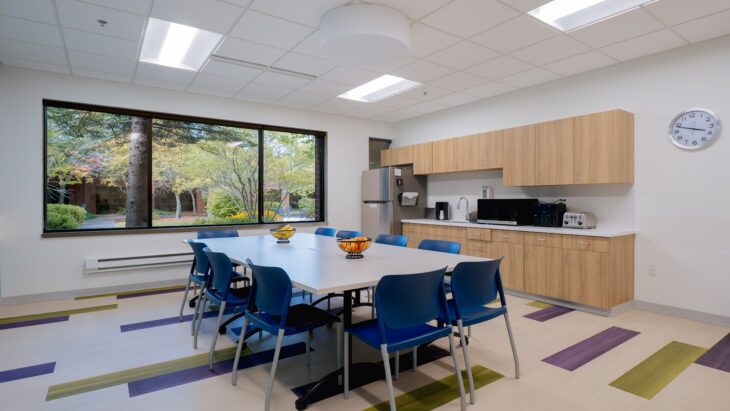
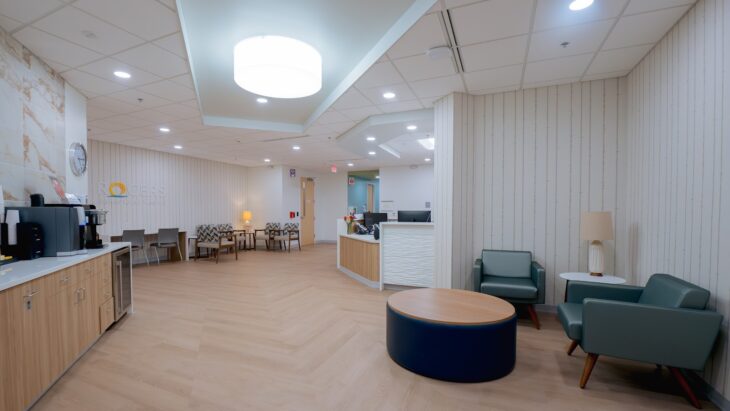
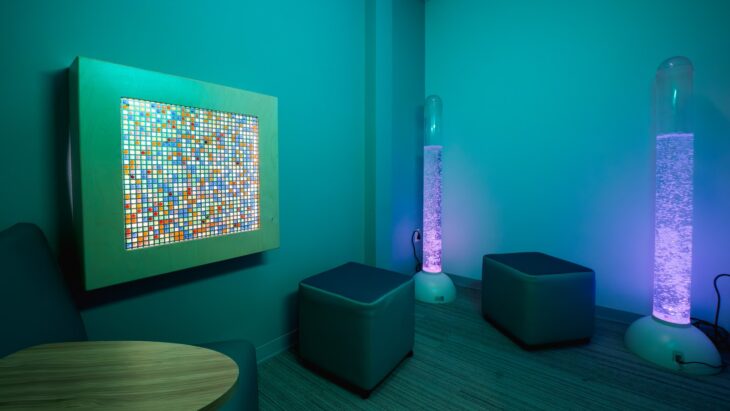

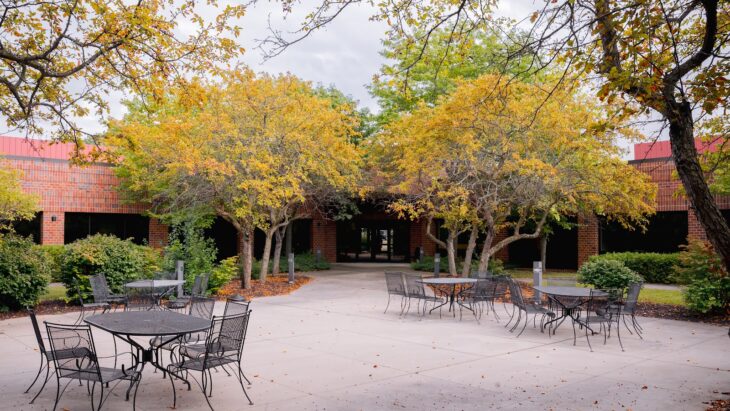
About Rogers Behavioral Health Appleton
In Appleton Wisconsin, Rogers Behavioral Health Appleton provides medication assisted addiction recovery treatment. This effective method of treating alcohol and drug addiction involves using medications such as antabuse, Vivitrol and Suboxone in conjunction with counseling. These medications block the effects of alcohol and opioids, reduce cravings and alleviate withdrawal symptoms.
Mental health conditions like OCD, anxiety, depression and mood disorders frequently coexist with addiction. That’s why they stress the significance of treating both at the same time. Their board certified psychiatrists oversee their outpatient care which follows an evidence based methodology. They use 12 Step facilitation therapy, motivational enhancement therapy and cognitive behavioral therapy.
Intensive outpatient programs (IOP) and partial hospitalization programs (PHP) are available to meet different levels of need. The PHP offers six to seven hours of care per day four to five days a week. This program is specifically designed for individuals dealing with mental health disorders in addition to opioid, drug or alcohol addiction.
The IOP on the other hand provides flexibility while guaranteeing that patients receive the required care. Throughout these programs treatment teams, families and patients work together to decide on the right duration of care based on each patient’s unique situation and progress.
The program helps clients maintain ties to their homes, workplaces or educational institutions. Clients participate in rigorous daily therapy sessions that are offered both during the day and at night. To ensure a comprehensive approach, treatment includes both medication assisted options and general addiction support.
In addition to several evidence based interventions such as dialectical behavior therapy and motivational interviewing, their therapeutic framework integrates the 12 Step program. Other care components could include computer based treatment, experiential therapy and family programs. Patients can set reasonable goals and acquire critical skills for a successful recovery process by developing awareness of their emotions and behaviors.
| Levels of Care | Detox Service Setting | Programs | Payment Options |
|---|---|---|---|
|
Partial hospitalization programs provide comprehensive treatment in a structured setting during the day but allow you to return home at night. These programs offer a balance of inpatient and outpatient rehab and provide intensive support without full time residency. |
Intensive Outpatient
|
In outpatient therapy, you’ll attend therapy sessions several times each week while living at home. This is ideal if you have a strong support system and a lower risk of relapse. Outpatient treatment offers flexibility to maintain work, school or family obligations. |
|
|
Inpatient detox occurs in a dedicated treatment facility. You’ll live there around the clock and receive intensive medical support and supervision to help manage your withdrawal symptoms. It is suitable for individuals with moderate to severe addictions as it ensures a stable detox environment. |
Outpatient detox gives you access to medically supervised withdrawal services while still allowing you to live at home. You’ll attend a clinic for treatment and monitoring. This flexible option is suitable for those with mild to moderate withdrawal symptoms who have strong support systems. |
||
|
Teen (13 - 18)
|
Adult programs address the substance use and life challenges specific to adults. Therapists can deliver sessions in individual, group and family settings. Services often include job support and life skills training in a structured environment. |
Cognitive behavioral therapy focuses on changing harmful thought patterns and behaviors associated with addiction. You’ll learn healthier coping mechanisms by identifying and replacing negative thoughts. This improves your emotional resilience and decreases your relapse potential. |
|
|
Private Insurance
|
Levels of Care
Partial hospitalization programs provide comprehensive treatment in a structured setting during the day but allow you to return home at night. These programs offer a balance of inpatient and outpatient rehab and provide intensive support without full time residency.
In outpatient therapy, you’ll attend therapy sessions several times each week while living at home. This is ideal if you have a strong support system and a lower risk of relapse. Outpatient treatment offers flexibility to maintain work, school or family obligations.
Detox Service Setting
Inpatient detox occurs in a dedicated treatment facility. You’ll live there around the clock and receive intensive medical support and supervision to help manage your withdrawal symptoms. It is suitable for individuals with moderate to severe addictions as it ensures a stable detox environment.
Outpatient detox gives you access to medically supervised withdrawal services while still allowing you to live at home. You’ll attend a clinic for treatment and monitoring. This flexible option is suitable for those with mild to moderate withdrawal symptoms who have strong support systems.
Programs
Adult programs address the substance use and life challenges specific to adults. Therapists can deliver sessions in individual, group and family settings. Services often include job support and life skills training in a structured environment.
Cognitive behavioral therapy focuses on changing harmful thought patterns and behaviors associated with addiction. You’ll learn healthier coping mechanisms by identifying and replacing negative thoughts. This improves your emotional resilience and decreases your relapse potential.
Amenities
Accreditations

Accepted Insurance


Contact


- Monday 7AM - 7PM
- Tuesday 7AM - 7PM
- Wednesday 7AM - 7PM
- Thursday 7AM - 7PM
- Friday 7AM - 7PM


Kerry Nenn is a full-time freelance writer and prize-winning author. She contributes regularly to addiction-recovery sites, international journal publications, and Christian ministries. Her published works include 10 books and myriad articles. Her work has received recognition both locally and nationally.
Detox.com regularly reviews this listing for accuracy but changes may occur between updates. For the most up-to-date information, please contact Rogers Behavioral Health Appleton.
Nearby Detox Centers

Search by Wisconsin Cities
FAQs
Does Rogers Behavioral Health Appleton treat substance use and addiction?
Yes, Rogers Behavioral Health Appleton provides addiction treatment services for adults struggling with substance use and co-occurring mental health conditions. The facility offers intensive outpatient and outpatient levels of care with evidence-based therapies including cognitive behavioral therapy and group-based skills training to support recovery.
What levels of care does Rogers Appleton offer for addiction treatment?
Rogers Behavioral Health Appleton offers partial hospitalization programming (PHP) and intensive outpatient (IOP) levels of care for addiction. PHP provides structured daytime treatment while allowing patients to return home at night, while IOP offers flexible scheduling with evidence-based therapy and ongoing support.
Does Rogers Behavioral Health Appleton treat depression and anxiety alongside addiction?
Yes, Rogers Behavioral Health Appleton specializes in treating co-occurring mental health conditions. The facility addresses depression, anxiety, OCD, and trauma alongside substance use through measurement-based care and structured group therapy designed to build coping skills and support long-term recovery.
What insurance does Rogers Behavioral Health Appleton accept?
Rogers Behavioral Health Appleton accepts most major insurance plans, including Blue Cross Blue Shield, Aetna, Cigna, and UnitedHealth Group. Patients interested in treatment should verify their specific coverage and eligibility through the facility.
Does Rogers Appleton offer telehealth services for addiction and mental health treatment?
Yes, Rogers Behavioral Health Appleton provides telehealth services for patients who prefer to receive care from home. Both outpatient and intensive outpatient programming are available through in-person and remote options at the Appleton location.
What age groups does Rogers Behavioral Health Appleton serve?
Rogers Behavioral Health Appleton provides outpatient mental health and addiction treatment for children, adolescents (ages 13-18), and adults 18 and older. The facility offers age-appropriate programming tailored to the specific needs of each population.