

 800-262-4205
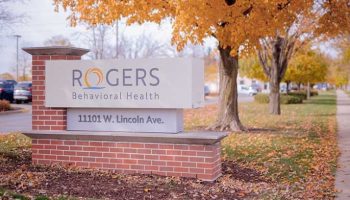
Rogers Behavioral Health


About Rogers Behavioral Health
Rogers Behavioral Health offers individualized treatment and support for individuals with mental health and substance use disorders in West Allis, Wisconsin, just outside Milwaukee. It’s easily accessible via the city’s public transit line. They also address co-occurring disorders which is when someone is simultaneously experiencing both mental health and substance dependence. Their main campus in West Lincoln Avenue offers residential addiction treatment including detox and inpatient rehabilitation. This program serves adults as well as adolescents aged 12 to 17. I like that they’re LGBTQ+ friendly, cost-efficient and accept Medicaid and Medicare.
The program starts with assessment and individualized treatment planning. This is followed by medical detox and inpatient rehabilitation. Detox is geared toward removing addiction-related toxins from your body in preparation for the main therapy. It involves a carefully managed withdrawal procedure with 24/7 monitoring by a specialized addiction physician. They may administer meds to ease uncomfortable withdrawal symptoms. This ensures your detox is safe and comfy.
Upon stabilization, you’ll normally continue your recovery journey via their inpatient rehabilitation. This involves intensive therapeutic intervention with 24-hour support by their interdisciplinary clinical team. The program is rooted in clinically proven practices, specifically behavioral activation.
This approach encourages individuals to engage in positive activities that promote healthy habits and reduce triggers for substance use. Staying active and involved in meaningful tasks can help you build new routines and improve your overall recovery process. This model may incorporate cognitive behavioral therapy (CBT) or they may offer CBT and dialectical behavioral therapy (DBT) as a standalone option in group and individual therapy.
The goal is to break the cycle of inactivity and negative emotions fueling substance misuse and develop sound coping mechanisms against such triggers. That way you can prevent relapse and stay sober.
They may even incorporate spiritual therapy to help you explore more profound emotional healing and develop a sense of inner peace. This can be especially helpful in reconnecting with your values and finding purpose in your recovery journey.
The program includes psychoeducation to help you better grasp the symptoms and effects of substance misuse, including its mental health impacts and the tools available for you to manage cravings and prevent relapse. Psychiatric care including medication management, is also provided to support those with co-occurring conditions. The aftercare plan involves a transition to their outpatient facility for continued recovery.
They are accredited by the Joint Commission and certified by LegitScript. This indicates a commitment to transparent and quality care.
| Levels of Care | Detox Service Setting | Programs | Payment Options | Medications Offered | |||||
|---|---|---|---|---|---|---|---|---|---|
|
Both inpatient care and residential care are offered here, and the ages covered for both are children, adolescents, and adults. |
Outpatient care is offered at the West Allis Outpatient Center, where it is listed alongside PHP and intensive outpatient care. |
Partial hospitalization runs at the West Allis Outpatient Center, where PHP sits with IOP and outpatient care at that site. |
Intensive outpatient care is based at the West Allis Outpatient Center, and it is listed there with PHP and outpatient services. |
||||||
|
Hospital detoxification allows you to withdraw from drugs or alcohol in a hospital setting. It’s ideal for people with severe withdrawal symptoms or complex medical needs. You’ll receive constant monitoring, emergency care if needed and FDA approved prescription medications. |
This location offers inpatient addiction care and withdrawal management for adults, and that same care is open to adolescents too. |
Outpatient detox gives you access to medically supervised withdrawal services while still allowing you to live at home. You’ll attend a clinic for treatment and monitoring. This flexible option is suitable for those with mild to moderate withdrawal symptoms who have strong support systems. |
Medication assisted treatment combines medication and counseling to manage withdrawal and reduce cravings for opioid and alcohol addiction. Medications may include methadone, buprenorphine or naltrexone. MAT is tailored to your needs so you can actively participate in your treatment journey. |
||||||
|
Adolescents and children can receive inpatient care, and the Teen Recovery Residential Program takes teens ages 12 to 17. |
Adults can receive inpatient care, including inpatient addiction and withdrawal management, which is also open to adolescents. |
Young adult programs are designed for individuals who are transitioning into adulthood. Topics of discussion typically include identity, independence and peer relationships. Providers may also offer life skills training and career support.
|
Senior programs address the unique needs of older adults like chronic pain, grief and isolation. Programs include peer support and medical oversight for age related health concerns. The goal is to improve quality of life and promote sober aging.
|
Women's programs offer a safe and supportive space to focus on gender specific issues such as trauma, family roles and mental health conditions. Therapists tailor the sessions to address women's needs and foster empowerment in a healing and nurturing environment.
|
Men's programs address substance use while also considering the social pressures, family roles and mental health concerns that are specific to men. You’ll learn healthy coping mechanisms as you build emotional resilience and develop communication skills.
|
Military and veteran programs offer specialized support for clients who served in the armed services. Programs focus on reintegration and healing within a structured and supportive environment that acknowledges the unique struggles of military life.
|
Alcohol detox programs offer medical support to help individuals withdraw safely from alcohol. Your care team may use medications to ease your symptoms and provide medical monitoring to address complications.
|
Drug detox programs support individuals who are withdrawing from addictive substances like cocaine and heroin. Medical support helps you manage symptoms in a controlled and safe environment so you can achieve initial sobriety.
|
Opioid detox uses medications to ease severe withdrawal symptoms. It also includes medical supervision to help you manage potential complications. These services allow you to stabilize and begin a recovery plan.
|
|
Self Pay
|
Medicaid
|
Medicare
|
State Family Services
|
Private Insurance
|
Military Insurance
|
||||
|
Methadone
|
Levels of Care
Both inpatient care and residential care are offered here, and the ages covered for both are children, adolescents, and adults.
Outpatient care is offered at the West Allis Outpatient Center, where it is listed alongside PHP and intensive outpatient care.
Partial hospitalization runs at the West Allis Outpatient Center, where PHP sits with IOP and outpatient care at that site.
Intensive outpatient care is based at the West Allis Outpatient Center, and it is listed there with PHP and outpatient services.
Detox Service Setting
Hospital detoxification allows you to withdraw from drugs or alcohol in a hospital setting. It’s ideal for people with severe withdrawal symptoms or complex medical needs. You’ll receive constant monitoring, emergency care if needed and FDA approved prescription medications.
This location offers inpatient addiction care and withdrawal management for adults, and that same care is open to adolescents too.
Outpatient detox gives you access to medically supervised withdrawal services while still allowing you to live at home. You’ll attend a clinic for treatment and monitoring. This flexible option is suitable for those with mild to moderate withdrawal symptoms who have strong support systems.
Medication assisted treatment combines medication and counseling to manage withdrawal and reduce cravings for opioid and alcohol addiction. Medications may include methadone, buprenorphine or naltrexone. MAT is tailored to your needs so you can actively participate in your treatment journey.
Programs
Adolescents and children can receive inpatient care, and the Teen Recovery Residential Program takes teens ages 12 to 17.
Adults can receive inpatient care, including inpatient addiction and withdrawal management, which is also open to adolescents.
Medications Offered
Amenities
Accreditations


Contact



Susan is a freelance writer and photographer who loves writing from home with her dog, Jack Bauer, at her feet. Having transcribed patient charts in a mental health and addiction treatment hospital, she’s well informed on the subject of substance use and co-occurring disorder treatment. She’s experienced in content creation and writes her own photography blog and newsletter.

Courtney Myers writes and edits professionally from her home in North Carolina. She holds an MS in Technical Communication from N.C. State University and has worked in proposal management, marketing, and online content creation. She specializes in creating resources related to behavioral health and addiction recovery.
Detox.com regularly reviews this listing for accuracy but changes may occur between updates. For the most up-to-date information, please contact Rogers Behavioral Health.
Nearby Detox Centers


Search by Wisconsin Cities
FAQs
Which levels of care does Rogers Behavioral Health offer in West Allis?
Inpatient withdrawal management for addiction, for adults and adolescents, plus residential services and inpatient care for children, adolescents, and adults. Adults can also get mental health and addiction care together. The West Allis Outpatient Center lists PHP, IOP, and outpatient care. Buprenorphine is offered for opioid use disorder. See co-occurring disorders care for that combined track.
Are national health plans accepted, and is a payer listed?
Many national health plans are under contract with Rogers. That contract relationship is with many national health plans. You can read about using insurance for detox as background on how those plans are used for care.
Who can get inpatient care, including teens?
Adults, adolescents, and children can get inpatient care. Teens ages 12 to 17 can also enter the Teen Recovery Residential Program, which is the residential track for that age band. The 12 to 17 range is specific to that program, while inpatient care covers adults, adolescents, and children more broadly.