800-262-4205
Schaumburg Interventions and Counseling Center LLC
About Schaumburg Interventions and Counseling Center LLC
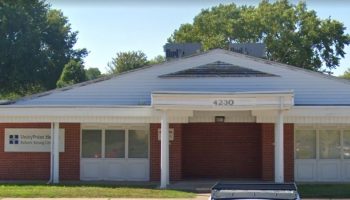
Schaumburg Interventions and Counseling Center LLC is an outpatient addiction treatment center in Schaumburg, Illinois that specializes in medication assisted treatment for opioid, alcohol, and benzodiazepine addiction.
The center offers ambulatory medical detox and outpatient programs that combine medications with evidence based therapy to help clients manage withdrawals.
The center accepts private insurance including Aetna, BlueCross BlueShield, Cigna, Humana, TRICARE, and other major carriers. Self-pay and financing options are available with sessions typically around $85.
What addiction treatment programs are available?
Schaumburg Interventions provides ambulatory medical detoxification with supervised withdrawal management plus outpatient treatment that allows clients to live at home while receiving regular medication assisted therapy and counseling.
Medication assistance uses methadone, buprenorphine, naltrexone, and disulfiram alongside individual and group therapy, motivational interviewing, and rational emotive behavioral therapy. Aftercare support and referrals to health providers and other community resources are provided.
Who can get help at this center?
The center serves adolescents, young adults, adults, military veterans, and LGBTQ clients seeking treatment for opioid, alcohol, or benzodiazepine use disorders. Gender specific programs for men and women address specific gender related challenges and dual diagnosis services support clients managing co-occurring mental health conditions.
| Levels of Care | Detox Service Setting | Programs | Payment Options | Medications Offered |
|---|---|---|---|---|
|
An intervention is a structured and professionally guided conversation with an individual who is struggling with addiction. During the conversation, family and friends encourage the individual to seek treatment. This is often a pivotal step for those resistant to getting help. |
In outpatient therapy, you’ll attend therapy sessions several times each week while living at home. This is ideal if you have a strong support system and a lower risk of relapse. Outpatient treatment offers flexibility to maintain work, school, or family obligations. |
Aftercare programs provide ongoing support once you complete a rehab program. They may include several components to help you maintain sobriety, including therapy, community support groups, and relapse prevention strategies. This gives you a network of resources as you reintegrate into daily life. |
||
|
Medication-assisted treatment combines medication and counseling to manage withdrawal and reduce cravings for opioid and alcohol addiction. Medications may include methadone, buprenorphine, or naltrexone. MAT is tailored to your needs so you can actively participate in your treatment journey. |
||||
|
Adult programs address the substance use and life challenges specific to adults. Therapists can deliver sessions in individual, group and family settings. Services often include job support and life skills training in a structured environment.
|
Young adult programs are designed for individuals who are transitioning into adulthood. Topics of discussion typically include identity, independence and peer relationships. Providers may also offer life skills training and career support.
|
Women's programs offer a safe and supportive space to focus on gender-specific issues such as trauma, family roles, and mental health conditions. Therapists tailor the sessions to address women's needs and foster empowerment in a healing and nurturing environment.
|
Men's programs address substance use while also considering the social pressures, family roles, and mental health concerns that are specific to men. You’ll learn healthy coping mechanisms as you build emotional resilience and develop communication skills.
|
|
|
Private Insurance
|
||||
|
Methadone
|
Acamprosate
|
Buprenorphine
|
Levels of Care
An intervention is a structured and professionally guided conversation with an individual who is struggling with addiction. During the conversation, family and friends encourage the individual to seek treatment. This is often a pivotal step for those resistant to getting help.
In outpatient therapy, you’ll attend therapy sessions several times each week while living at home. This is ideal if you have a strong support system and a lower risk of relapse. Outpatient treatment offers flexibility to maintain work, school, or family obligations.
Aftercare programs provide ongoing support once you complete a rehab program. They may include several components to help you maintain sobriety, including therapy, community support groups, and relapse prevention strategies. This gives you a network of resources as you reintegrate into daily life.
Detox Service Setting
Medication-assisted treatment combines medication and counseling to manage withdrawal and reduce cravings for opioid and alcohol addiction. Medications may include methadone, buprenorphine, or naltrexone. MAT is tailored to your needs so you can actively participate in your treatment journey.
Programs
Medications Offered
Accreditations


Contact


- Monday 6:30AM - 10:15AM
- Tuesday 6:30AM - 10:15AM
- Wednesday 6:30AM - 10:15AM
- Thursday 6:30AM - 10:15AM
- Friday 6:30AM - 10:15AM
- Saturday 8AM - 9:45AM
- Sunday Closed

Kimberly Hawkins holds a Masters degree in Computing and Information Sciences from East Tennessee State University. She is also a freelance writer specializing in content related to mental health, addiction recovery, and overall wellness. On Valentine’s Day of 2024, Kimberly’s only sibling passed away of an accidental drug overdose. Since then, Kimberly has become a passionate advocate for addiction recovery awareness and support.
Detox.com regularly reviews this listing for accuracy but changes may occur between updates. For the most up-to-date information, please contact Schaumburg Interventions and Counseling Center LLC.