

 800-262-4205
The Blanchard Institute






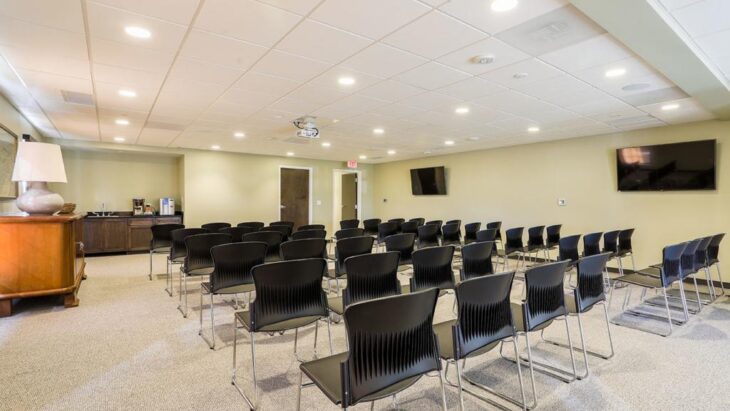
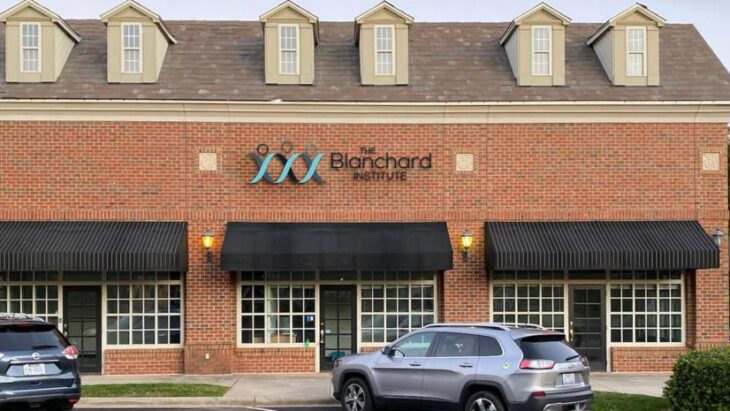

About The Blanchard Institute
The Blanchard Institute provides substance abuse treatment for adults. Their comprehensive outpatient services allow clients to continue their daily activities while getting treatment. They have programs running almost every day on their online calendar. You’ll find ’em based in Charlotte, North Carolina.
Detox and Withdrawal Management
One unique feature they offer is outpatient withdrawal management. It combines medical supervision with the comfort of your home to detox from substance use. This service involves 7-10 days of care, starting with an assessment to help the team determine your recovery needs. Although you live at home, they provide 24/7 access to nursing staff, so getting advice or answers to questions is only a phone call away.
Innovative Biosound and Nutritional Programs
Another feature offered is biosound therapy, which combines sound, vibration, and visual factors to help with physical and emotional recovery. The goal is to assist with stress management, reduce anxiety, and increase overall well-being.
The team also understands that nutrition plays a vital role in recovery. The center focuses on nourishing foods your body needs. They provide a personalized nutrition plan to address your unique goals and recovery needs. Guests attend lectures on nutrition and learn about sleep, hydration, and movement for better health.
DWI Services to Get Back on the Road of Recovery
DWI services are available to satisfy DMV requirements for clients with driving while intoxicated violations. Assessments are available in person and online.
| Levels of Care | Detox Service Setting | Programs | Payment Options | |
|---|---|---|---|---|
|
Inpatient
|
Outpatient
|
Partial hospitalization programs provide comprehensive treatment in a structured setting during the day but allow you to return home at night. These programs offer a balance of inpatient and outpatient rehab and provide intensive support without full time residency. |
Intensive Outpatient
|
Dual diagnosis programs address substance use disorders and co-occurring mental health conditions simultaneously. This integrated approach to care improves the likelihood of long term recovery and stability by addressing the root causes of addiction. |
|
Inpatient detox occurs in a dedicated treatment facility. You’ll live there around the clock and receive intensive medical support and supervision to help manage your withdrawal symptoms. It is suitable for individuals with moderate to severe addictions as it ensures a stable detox environment. |
Outpatient detox gives you access to medically supervised withdrawal services while still allowing you to live at home. You’ll attend a clinic for treatment and monitoring. This flexible option is suitable for those with mild to moderate withdrawal symptoms who have strong support systems. |
|||
|
Alcohol detox programs offer medical support to help individuals withdraw safely from alcohol. Your care team may use medications to ease your symptoms and provide medical monitoring to address complications.
|
Drug detox programs support individuals who are withdrawing from addictive substances like cocaine and heroin. Medical support helps you manage symptoms in a controlled and safe environment so you can achieve initial sobriety.
|
Adult programs address the substance use and life challenges specific to adults. Therapists can deliver sessions in individual, group and family settings. Services often include job support and life skills training in a structured environment. |
Cognitive behavioral therapy focuses on changing harmful thought patterns and behaviors associated with addiction. You’ll learn healthier coping mechanisms by identifying and replacing negative thoughts. This improves your emotional resilience and decreases your relapse potential. |
EMDR stands for eye movement desensitization and reprocessing therapy. It helps you process traumatic memories that may underlie addiction. You’ll learn how to reduce emotional distress and begin healing from past events. This makes it effective for trauma related addiction causes. |
|
Private Insurance
|
Self Pay
|
Levels of Care
Partial hospitalization programs provide comprehensive treatment in a structured setting during the day but allow you to return home at night. These programs offer a balance of inpatient and outpatient rehab and provide intensive support without full time residency.
Dual diagnosis programs address substance use disorders and co-occurring mental health conditions simultaneously. This integrated approach to care improves the likelihood of long term recovery and stability by addressing the root causes of addiction.
Detox Service Setting
Inpatient detox occurs in a dedicated treatment facility. You’ll live there around the clock and receive intensive medical support and supervision to help manage your withdrawal symptoms. It is suitable for individuals with moderate to severe addictions as it ensures a stable detox environment.
Outpatient detox gives you access to medically supervised withdrawal services while still allowing you to live at home. You’ll attend a clinic for treatment and monitoring. This flexible option is suitable for those with mild to moderate withdrawal symptoms who have strong support systems.
Programs
Adult programs address the substance use and life challenges specific to adults. Therapists can deliver sessions in individual, group and family settings. Services often include job support and life skills training in a structured environment.
Cognitive behavioral therapy focuses on changing harmful thought patterns and behaviors associated with addiction. You’ll learn healthier coping mechanisms by identifying and replacing negative thoughts. This improves your emotional resilience and decreases your relapse potential.
EMDR stands for eye movement desensitization and reprocessing therapy. It helps you process traumatic memories that may underlie addiction. You’ll learn how to reduce emotional distress and begin healing from past events. This makes it effective for trauma related addiction causes.
Amenities
Accreditations

Accepted Insurance
Contact



Patti Croft has content writing experience in several areas, including health and fitness, cybersecurity, and animal care. She is passionate about mental health and addiction treatment and strives to share information that is enjoyable and accessible. She loves reading, consuming too much coffee, and spending time with her friends and pets.

Peter W.Y. Lee is a historian with a focus in American Cold War culture. He has examined how popular culture has served as a coping mechanism for the challenges and changes impacting American society throughout the twentieth century.
Detox.com regularly reviews this listing for accuracy but changes may occur between updates. For the most up-to-date information, please contact The Blanchard Institute.
Nearby Detox Centers



Search by North Carolina Cities
FAQs
Does The Blanchard Institute in Charlotte offer medical detox or withdrawal management?
The Blanchard Institute provides withdrawal management services as a structured, medically supervised process designed to help individuals safely detox from substances while managing withdrawal symptoms. Withdrawal management is offered as part of the facility’s outpatient care model at the Charlotte location on Park Road, with clinical support integrated into the treatment plan.
What substances does The Blanchard Institute provide detox treatment for?
The Blanchard Institute treats addiction to alcohol, opioids, benzodiazepines, stimulants, prescription drugs, cocaine, methamphetamine, and other substances. The facility’s withdrawal management and detox services address a wide range of substance use issues, with individualized treatment plans tailored to each client’s needs.
What are the levels of outpatient detox care available at The Blanchard Institute?
The facility offers Partial Hospitalization Program (PHP) as the highest level of outpatient care, providing structured, intensive daytime treatment while clients return home in the evenings. Intensive Outpatient Program (IOP) is also available for clients who need flexible scheduling with multiple therapy sessions per week while maintaining work, school, or family responsibilities.
Does The Blanchard Institute treat co-occurring mental health conditions during detox?
The Blanchard Institute specializes in dual diagnosis treatment, addressing both substance use disorders and co-occurring mental health conditions such as anxiety, depression, PTSD, and bipolar disorder. The medical team treats the whole person by addressing underlying mental health concerns that often contribute to addiction during withdrawal management and ongoing care.
What therapies are used during treatment at The Blanchard Institute in Charlotte?
The Blanchard Institute’s treatment approach includes Cognitive Behavioral Therapy (CBT), Dialectical Behavior Therapy (DBT), and trauma-informed care with EMDR therapy. Clients participate in individual therapy, group therapy, and family therapy, with holistic approaches like mindfulness and yoga integrated to support overall wellness during recovery.
What insurance options and payment methods does The Blanchard Institute accept?
The Blanchard Institute is in-network with most major insurance providers and accepts most PPO insurance plans, working to maximize out-of-network benefits. For clients without insurance, private pay options are available, and the admissions team can help verify insurance benefits and explain payment options for treatment at the Charlotte location.