800-262-4205
The Cognitive Connection 

About The Cognitive Connection
The Cognitive Connection is an outpatient substance use and mental health treatment center and offers evidence based therapy for individuals, couples and families.
As a group practice of therapists, they focus on approaches such as cognitive behavioral therapy and EMDR to help clients address substance use concerns alongside anxiety and depression, trauma and related conditions.
People benefit from flexible, personalized care and ongoing support.
What does The Cognitive Connection offer?
The Cognitive Connection provides outpatient counseling and psychotherapy including cognitive behavioral therapy, DBT informed skills training and EMDR.
Services span individual therapy, couples therapy and family therapy, parenting support and psychological evaluations, all delivered through a therapy driven and personalized approach.
Who can get help here?
The practice works with individuals experiencing substance use concerns along with anxiety and depression, trauma or PTSD, OCD, panic disorder and related behavioral and emotional concerns.
They also support adolescents, couples and families, as well as LGBTQ+ clients seeking affirming care.
What are the therapy options like?
The Cognitive Connection offers in person, online and walk and talk therapy giving clients flexibility in how they receive care.
DBT skills training focuses on emotion regulation and distress tolerance, interpersonal effectiveness and mindfulness.
Where is the center located?
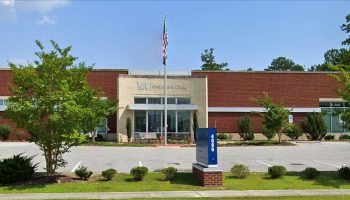
The Cognitive Connection is located at 929 15th Street NE in Hickory, North Carolina with office hours Monday through Friday.
| Levels of Care | Detox Service Setting | Programs | Payment Options | ||
|---|---|---|---|---|---|
|
Outpatient
|
Dual Diagnosis
|
Partial hospitalization programs provide comprehensive treatment in a structured setting during the day but allow you to return home at night. These programs offer a balance of inpatient and outpatient rehab and provide intensive support without full-time residency. |
Aftercare programs provide ongoing support once you complete a rehab program. They may include several components to help you maintain sobriety, including therapy, community support groups, and relapse-prevention strategies. This gives you a network of resources as you reintegrate into your daily life. |
An intervention is a structured and professionally guided conversation with an individual who is struggling with addiction. During the conversation, family and friends encourage the individual to seek treatment. This is often a pivotal step for those resistant to getting help. |
|
|
Outpatient detox gives you access to medically supervised withdrawal services while still allowing you to live at home. You’ll attend a clinic for treatment and monitoring. This flexible option is suitable for those with mild to moderate withdrawal symptoms who have strong support systems. |
Medication-assisted treatment combines medication and counseling to manage withdrawal and reduce cravings for opioid and alcohol addiction. Medications may include methadone, buprenorphine, or naltrexone. MAT is tailored to your needs so you can actively participate in your treatment journey. |
||||
|
Adult programs address the substance use and life challenges specific to adults. Therapists can deliver sessions in individual, group, and family settings. Services often include job support and life-skills training in a structured environment.
|
Alcohol detox programs offer medical support to help individuals withdraw safely from alcohol. Your care team may use medications to ease your symptoms and provide medical monitoring to address complications.
|
Opioid detox uses medications to ease severe withdrawal symptoms. It also includes medical supervision to help you manage potential complications. These services allow you to stabilize and begin a recovery plan.
|
Cognitive behavioral therapy focuses on changing harmful thought patterns and behaviors associated with addiction. You’ll learn healthier coping mechanisms by identifying and replacing negative thoughts. This improves your emotional resilience and decreases your relapse potential.
|
Drug detox programs support individuals who are withdrawing from addictive substances like cocaine and heroin. Medical support helps you manage symptoms in a controlled and safe environment so you can achieve initial sobriety.
|
LGBTQ-friendly programs create an inclusive and affirming space for recovery. Treatment is sensitive to issues like discrimination and stigma. You’ll receive support and therapy that respects and acknowledges your unique experiences.
|
|
Medicaid
|
Medicare
|
Private Insurance
|
Self Pay
|
Sliding Scale Payment
|
Levels of Care
Partial hospitalization programs provide comprehensive treatment in a structured setting during the day but allow you to return home at night. These programs offer a balance of inpatient and outpatient rehab and provide intensive support without full-time residency.
Aftercare programs provide ongoing support once you complete a rehab program. They may include several components to help you maintain sobriety, including therapy, community support groups, and relapse-prevention strategies. This gives you a network of resources as you reintegrate into your daily life.
An intervention is a structured and professionally guided conversation with an individual who is struggling with addiction. During the conversation, family and friends encourage the individual to seek treatment. This is often a pivotal step for those resistant to getting help.
Detox Service Setting
Outpatient detox gives you access to medically supervised withdrawal services while still allowing you to live at home. You’ll attend a clinic for treatment and monitoring. This flexible option is suitable for those with mild to moderate withdrawal symptoms who have strong support systems.
Medication-assisted treatment combines medication and counseling to manage withdrawal and reduce cravings for opioid and alcohol addiction. Medications may include methadone, buprenorphine, or naltrexone. MAT is tailored to your needs so you can actively participate in your treatment journey.
Programs
Amenities
Accreditations

Accepted Insurance
Contact


- Monday 8AM - 8PM
- Tuesday 8AM - 8PM
- Wednesday 8AM - 8PM
- Thursday 8AM - 8PM
- Friday 8AM - 8PM

Natalie is a recent Purdue University graduate where she studied Psychology and Creative Writing. She’s a fierce advocate for others and is committed to always showing up with a compassionate heart. She enjoys writing poetry, dancing, and playing piano in her free time.
Detox.com regularly reviews this listing for accuracy but changes may occur between updates. For the most up-to-date information, please contact The Cognitive Connection.