800-262-4205
The Human Service Center Community Crisis Center Medical Detox

About The Human Service Center Community Crisis Center Medical Detox
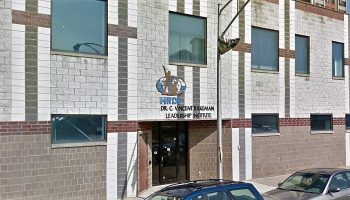
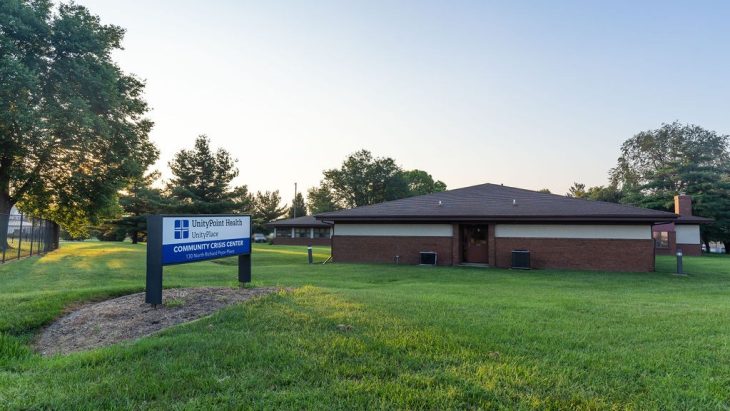
The Human Service Center Community Crisis Center in Peoria, Illinois, is now known as the Trillium Place Crisis Center. Their team of recovery experts can meet with clients in person and remotely to deliver comprehensive care.
Their full continuum of care includes MAT and detox, and incorporates the 12 Step peer model into treatment. Medicare plans are accepted here.
24 Hour Care
Trillium Place is affiliated with Carle Health and, through this partnership, has widened its base of support for clients.
For example, their Addiction Recovery Center is open 24 hours a day, seven days a week, to meet the needs of any adult suffering from addiction.
What’s great is that you can call to schedule an assessment or just walk in, which is an excellent option should you experience an emergency. Being monitored around the clock helps to ensure your withdrawal symptoms are managed and you have a comfortable detox.
Living Life in Recovery
The addiction treatment programs offered through this provider have many components and strive to target all areas of your life. That’s why some of their options include relaxing activities for downtime and exercise groups to meet physical activity needs.
Making time for both of these things, relaxation and exercise, helps round out your recovery experience by directly addressing mental and physical health needs.
| Levels of Care | Detox Service Setting | Programs | Payment Options | |||
|---|---|---|---|---|---|---|
|
In outpatient therapy, you’ll attend therapy sessions several times each week while living at home. This is ideal if you have a strong support system and a lower risk of relapse. Outpatient treatment offers flexibility to maintain work, school, or family obligations. |
Aftercare programs provide ongoing support once you complete a rehab program. They may include several components to help you maintain sobriety, including therapy, community support groups, and relapse prevention strategies. This gives you a network of resources as you reintegrate into daily life. |
Dual diagnosis programs address substance use disorders and co-occurring mental health conditions simultaneously. This integrated approach to care improves the likelihood of long-term recovery and stability by addressing the root causes of addiction. |
||||
|
Outpatient detox gives you access to medically supervised withdrawal services while you to live at home. You’ll attend a clinic for treatment and monitoring. This flexible option is suitable for those with mild to moderate withdrawal symptoms who have strong support systems. |
||||||
|
Adult programs address the substance use and life challenges specific to adults. Therapists can deliver sessions in individual, group and family settings. Services often include job support and life skills training in a structured environment.
|
Alcohol detox programs offer medical support to help individuals withdraw safely from alcohol. Your care team may use medications to ease your symptoms and provide medical monitoring to address complications.
|
Cognitive behavioral therapy focuses on changing harmful thought patterns and behaviors associated with addiction. You’ll learn healthier coping mechanisms by identifying and replacing negative thoughts. This improves your emotional resilience and decreases your relapse potential.
|
Men's programs address substance use while also considering the social pressures, family roles, and mental health concerns that are specific to men. You’ll learn healthy coping mechanisms as you build emotional resilience and develop communication skills.
|
Opioid detox uses medications to ease severe withdrawal symptoms. It also includes medical supervision to help you manage potential complications. These services allow you to stabilize and begin a recovery plan.
|
Women's programs offer a safe and supportive space to focus on gender-specific issues such as trauma, family roles, and mental health conditions. Therapists tailor the sessions to address women's needs and foster empowerment in a healing and nurturing environment.
|
Young adult programs are designed for individuals who are transitioning into adulthood. Topics of discussion typically include identity, independence and peer relationships. Providers may also offer life skills training and career support.
|
|
Payment Assistance
|
Medicaid
|
Medicare
|
Military Insurance
|
Private Insurance
|
Self Pay
|
Levels of Care
In outpatient therapy, you’ll attend therapy sessions several times each week while living at home. This is ideal if you have a strong support system and a lower risk of relapse. Outpatient treatment offers flexibility to maintain work, school, or family obligations.
Aftercare programs provide ongoing support once you complete a rehab program. They may include several components to help you maintain sobriety, including therapy, community support groups, and relapse prevention strategies. This gives you a network of resources as you reintegrate into daily life.
Dual diagnosis programs address substance use disorders and co-occurring mental health conditions simultaneously. This integrated approach to care improves the likelihood of long-term recovery and stability by addressing the root causes of addiction.
Detox Service Setting
Outpatient detox gives you access to medically supervised withdrawal services while you to live at home. You’ll attend a clinic for treatment and monitoring. This flexible option is suitable for those with mild to moderate withdrawal symptoms who have strong support systems.
Programs
Accreditations


Accepted Insurance




Contact



Eric has a passion for content creation, whether it’s writing articles or making YouTube videos. He appreciates the power of storytelling to inform an audience about the information they need to know. In addition to writing, he also spends his time traveling and discovering new restaurants.
Detox.com regularly reviews this listing for accuracy but changes may occur between updates. For the most up-to-date information, please contact The Human Service Center Community Crisis Center Medical Detox.