

 850-312-7032
Tranquil Shores
Madeira Beach, FL
33708
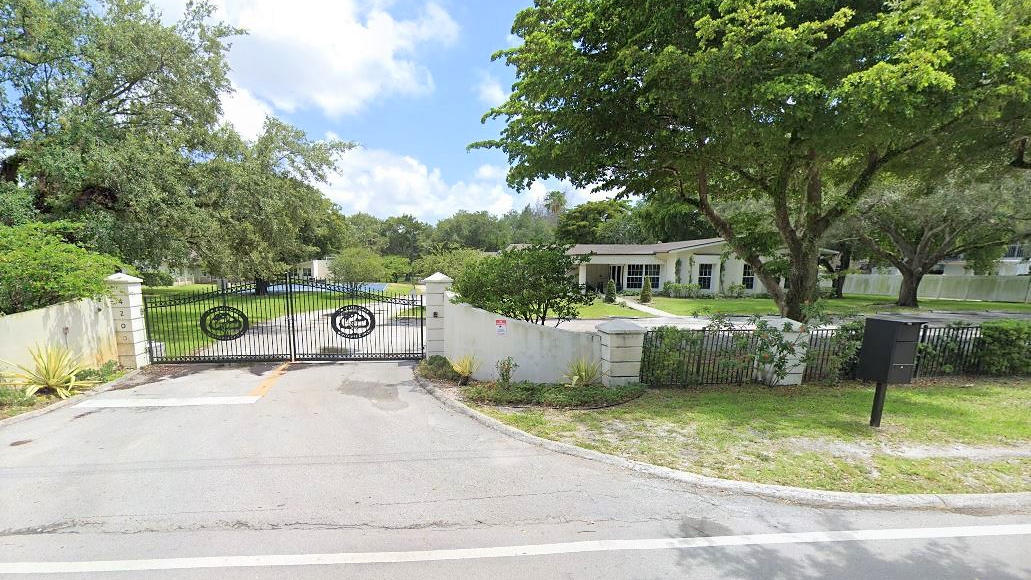
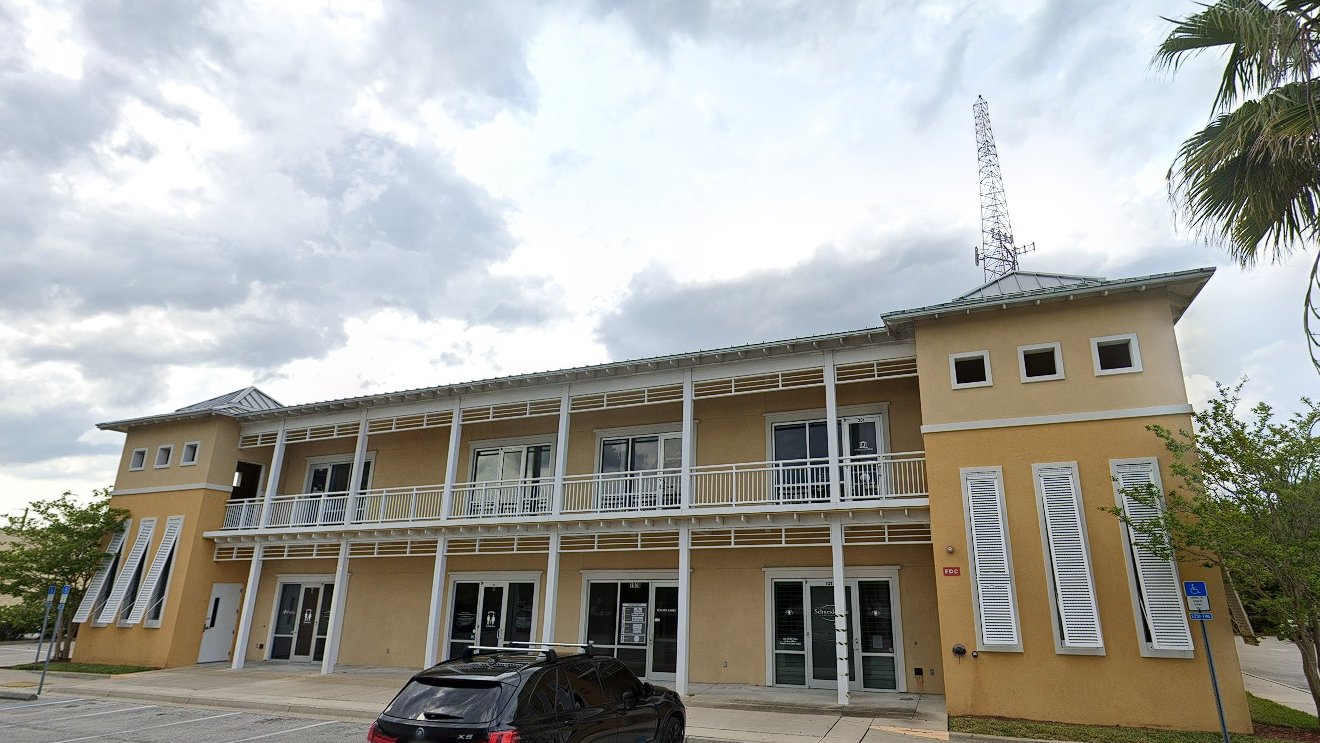
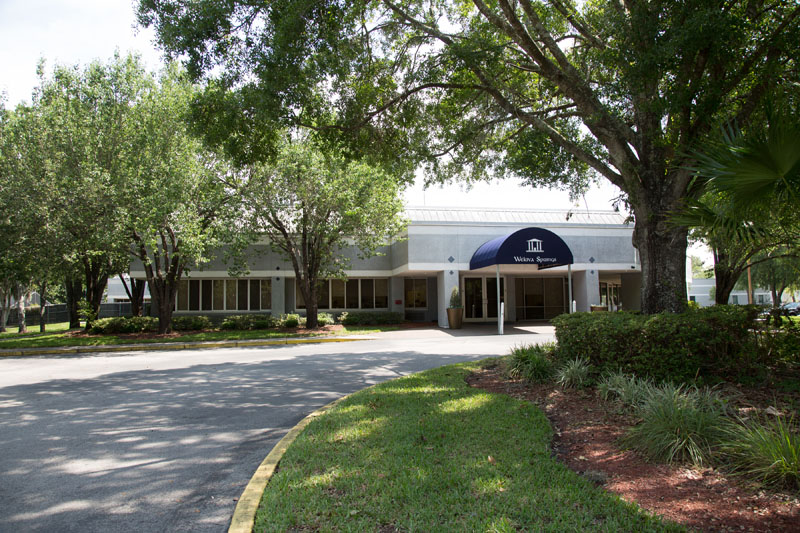
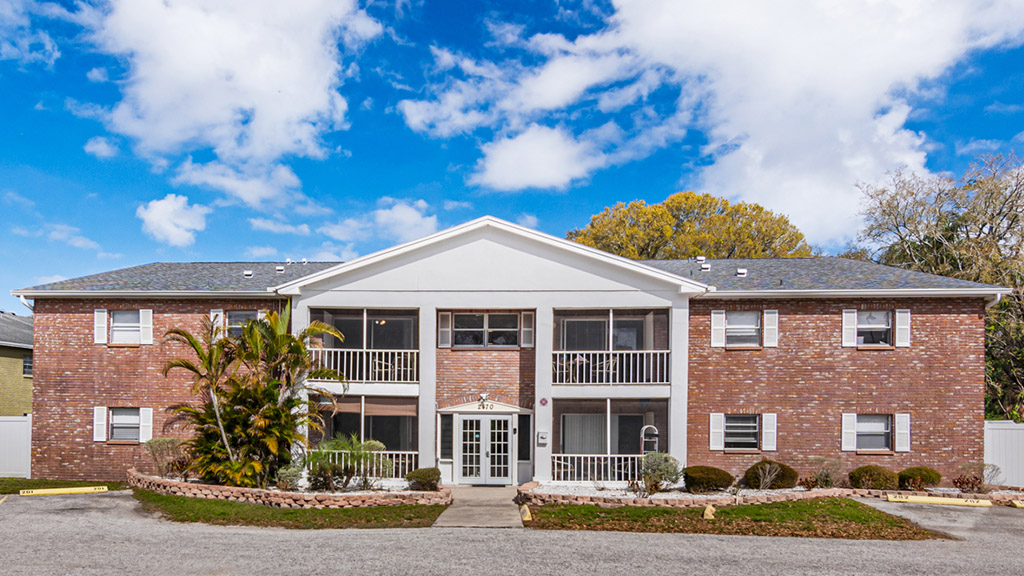
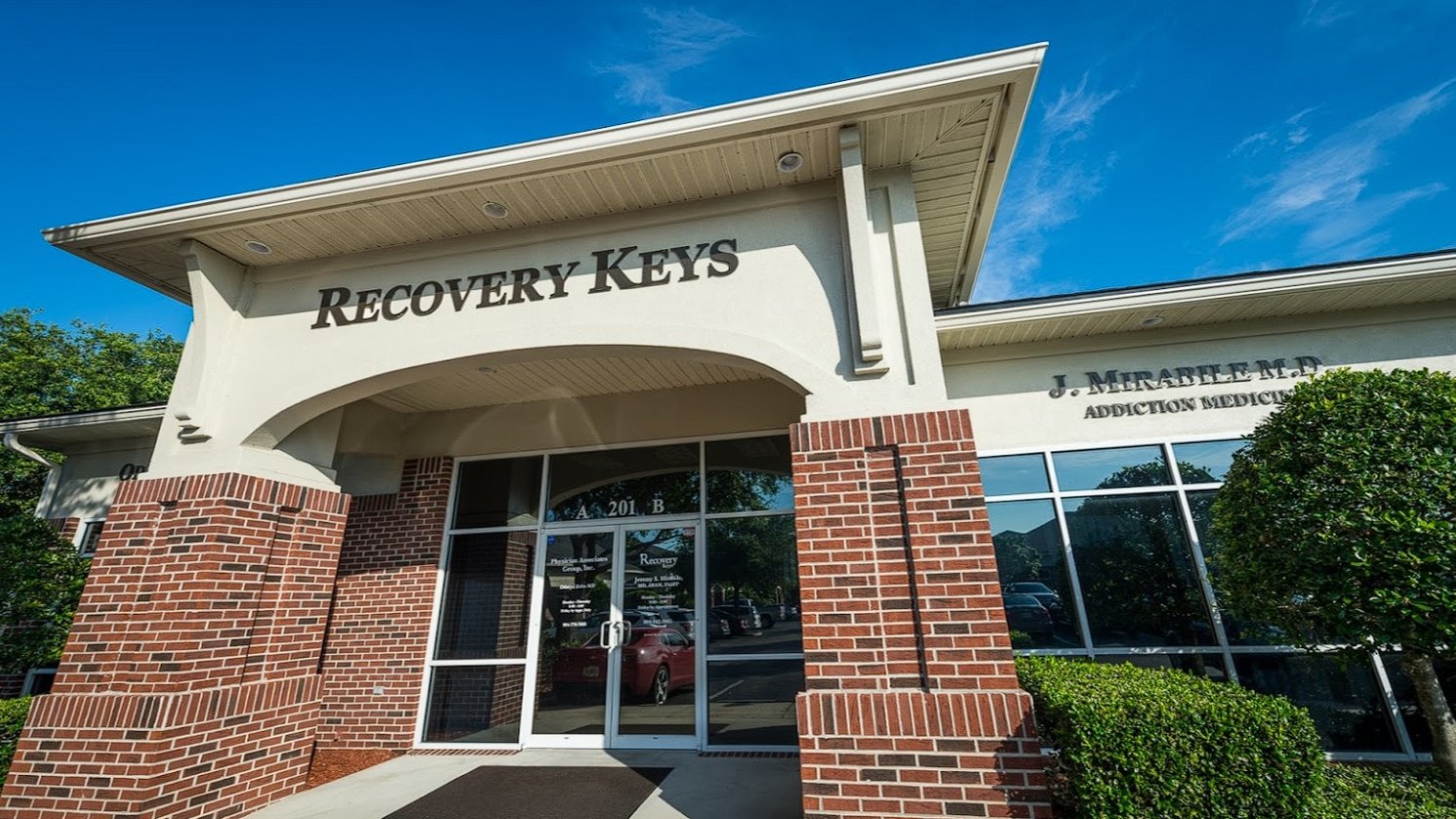
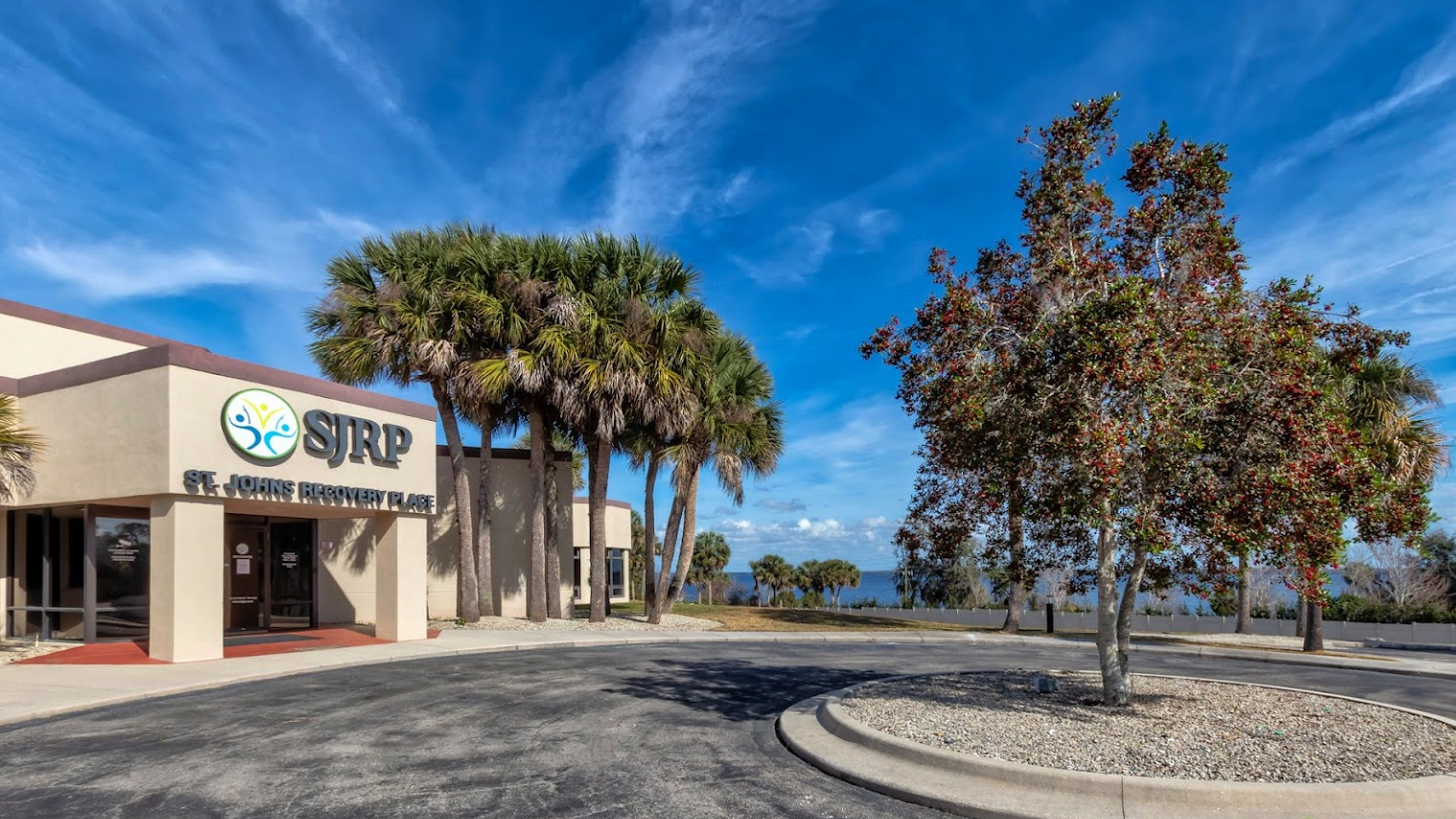
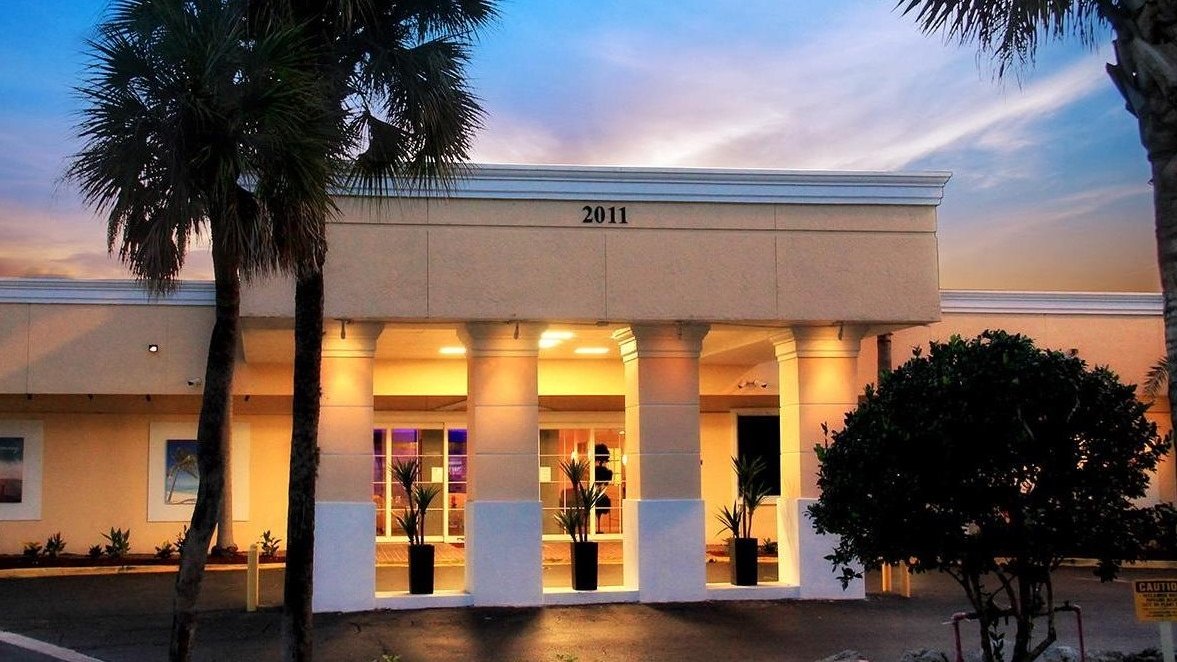
| Name | Address | Detox Service Setting | Levels Of Care | Media |
|---|---|---|---|---|
Total Rehab Services |
14505 Commerce Way Hialeah, FL 33016 |
Detox Service Setting
Outpatient Detox
|
Levels Of Care
Outpatient
|

|
Douglas Gardens Community Mental Health Center |
13390 W Dixie Hwy North Miami, FL 33161 |
Detox Service Setting
Hospital DetoxInpatient DetoxOutpatient Detox+1
|
Levels Of Care
InpatientOutpatientDual Diagnosis+2
|
|
Zinnia Health Miami |
9198 Northwest 8th Avenue Miami, FL 33150 |
Detox Service Setting
Inpatient DetoxOutpatient DetoxMAT
|
Levels Of Care
InpatientPHPOutpatient+4
|
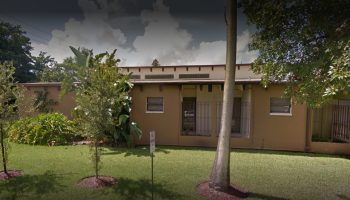
|
Harbor Village Detox |
9198 Northwest 8th Avenue Miami, FL 33150 |
Detox Service Setting
Hospital DetoxInpatient DetoxOutpatient Detox+1
|
Levels Of Care
InpatientOutpatientDual Diagnosis+2
|

|
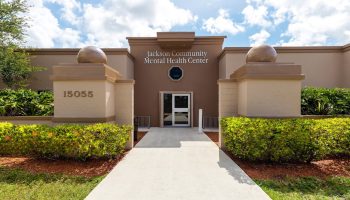
Jackson Community Mental Health Center |
15055 Northwest 27th Avenue Opa Locka, FL 33054 |
Detox Service Setting
Inpatient DetoxOutpatient Detox
|
Levels Of Care
InpatientOutpatientDual Diagnosis
|
|
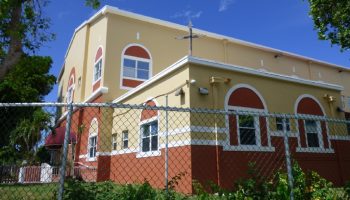
Catholic Charities of the Archdiocese Miami |
7707 NW 2nd Ave Miami, FL 33150 |
Detox Service Setting
Inpatient DetoxOutpatient Detox
|
Levels Of Care
InpatientOutpatient
|
|
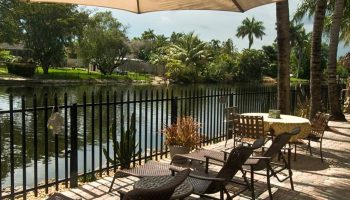
Summer House Detox Center |
13550 Memorial Highway Miami, FL 33161 |
Detox Service Setting
Inpatient DetoxOutpatient DetoxMAT
|
Levels Of Care
InpatientPHPDual Diagnosis
|
|
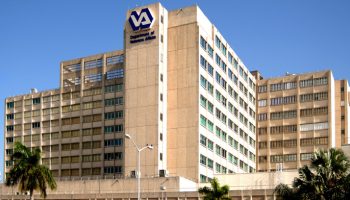
Miami VA Medical Center |
1201 NW 16th St Miami, FL 33125 |
Detox Service Setting
Inpatient DetoxOutpatient Detox
|
Levels Of Care
InpatientOutpatient
|
|
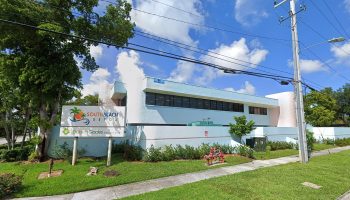
South Beach Detox |
85 Northwest 168th Street North Miami Beach, FL 33169 |
Detox Service Setting
Inpatient DetoxOutpatient DetoxMAT
|
Levels Of Care
InpatientPHPOutpatient+4
|
|
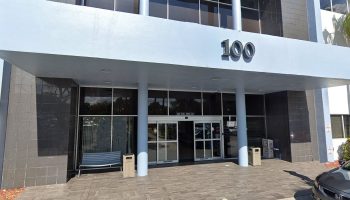
Golden Glades Treatment Center |
100 Northwest 170th Street North Miami Beach, FL 33169 |
Detox Service Setting
Outpatient Detox
|
Levels Of Care
OutpatientAftercare
|
|
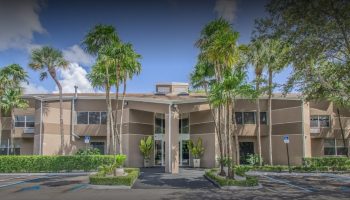
The Gardens Wellness Center |
16565 Northeast 4th Avenue Miami, FL 33162 |
Detox Service Setting
Inpatient Detox
|
Levels Of Care
InpatientDual DiagnosisAftercare
|
|
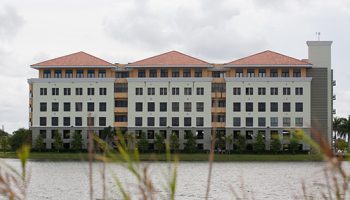
Reawakening Wellness Center LLC |
3600 Red Road Hollywood, FL 33025 |
Detox Service Setting
Inpatient Detox
|
Levels Of Care
|
|
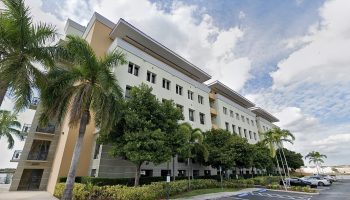
Evoke Wellness Florida |
3600 Red Road Miramar Beach, FL 33025 |
Detox Service Setting
Inpatient DetoxOutpatient Detox
|
Levels Of Care
InpatientOutpatientAftercare+2
|
|
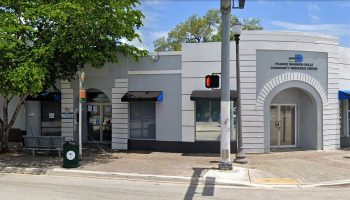
Coconut Grove Community Resource Center |
3692 Grand Avenue Miami, FL 33133 |
Detox Service Setting
Outpatient Detox
|
Levels Of Care
OutpatientAftercareDual Diagnosis
|
|
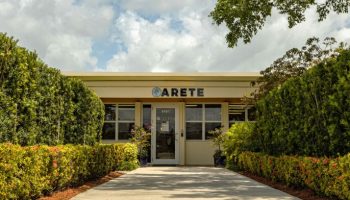
Arete Recovery |
8401 South Palm Drive Pembroke Pines, FL 33025 |
Detox Service Setting
Inpatient DetoxOutpatient Detox
|
Levels Of Care
InpatientOutpatientAftercare+2
|
|
Hialeah sits in Miami-Dade County, where detox and substance use disorder treatment facilities are licensed by the Florida Department of Children and Families (DCF) under Chapter 397 of the Florida Statutes, often called the Florida Substance Abuse Services Act. The South Florida Behavioral Health Network, DCF’s contracted managing entity for Miami-Dade and Monroe counties, coordinates funding and access to community-based treatment across the region, including Hialeah.
Miami-Dade’s overdose picture has shifted in recent years. Historically, higher rates of overdose concentrated in lower-income neighborhoods including Little Havana and Allapattah, both near Hialeah, but public health officials now report fentanyl reaching suburban communities and people from a wider range of backgrounds. Xylazine, a non-opioid sedative not reversed by naloxone, has also appeared in the local drug supply, adding wound care and infection risk on top of overdose risk.
Anyone comparing how to choose a detox center should also know about Florida’s Marchman Act, which allows family members to petition a court for involuntary assessment and treatment when someone cannot recognize the need for care. This legal option is specific to Florida and does not exist in most other states. Florida’s Comprehensive Behavioral Health Reform Act, effective October 2025, also expanded Medicaid coverage for residential treatment, medication-assisted treatment, and transportation support statewide.
Understanding what detox costs in Hialeah helps you plan for treatment before you commit to a level of care. Costs vary by facility and level of care, but using insurance can significantly reduce what you pay out of pocket.
Detox costs in Florida vary by level of care, medical complexity, and length of stay. Because Hialeah is part of the Miami-Dade County treatment market, most facilities serving the area price services in line with statewide averages tracked by the National Center for Drug Abuse Statistics. The figures below are full cash-pay rates before insurance, Medicaid, Medicare, or other assistance; most people with coverage pay significantly less.
Medicare Part A covers inpatient hospital detox and Part B covers outpatient treatment, including office-based buprenorphine and naltrexone, as well as opioid treatment program services for methadone. Copays and deductibles depend on the setting and plan.
Florida has not expanded Medicaid under the Affordable Care Act, so low-income adults without dependents generally do not qualify regardless of income. For those who do qualify, the Comprehensive Behavioral Health Reform Act of 2025 expanded coverage to include residential treatment, medication-assisted treatment, peer counseling, and transportation support.
Cost should not stand between someone in Hialeah and detox care. Several regional and state-level options can reduce or eliminate out-of-pocket costs:

Community-based providers under the South Florida Behavioral Health Network offer income-based sliding fee scales for detox and outpatient counseling across Miami-Dade County, including Hialeah.
Florida’s DCF Office of Substance Abuse and Mental Health contracts with the South Florida Behavioral Health Network to fund detoxification and treatment for uninsured Miami-Dade residents who meet clinical or financial criteria.
The IDEA Exchange at the University of Miami provides free services, including naloxone and referrals to treatment, at no cost to Miami-Dade residents regardless of insurance status.
Family members who cannot afford private treatment for a loved one can petition a Miami-Dade County court under the Marchman Act for court-ordered assessment and stabilization at a public receiving facility.
Here are the key regulatory and public health bodies that oversee detox and substance use disorder treatment for Hialeah and the rest of Miami-Dade County:
The single state authority for substance abuse and mental health services in Florida. DCF licenses detoxification, residential, and outpatient substance use programs under Chapter 397 of the Florida Statutes and Florida Administrative Code Chapter 65D-30.
DCF’s contracted managing entity for Miami-Dade and Monroe counties. The network plans, funds, and monitors community-based prevention, treatment, and recovery support services for Hialeah and the surrounding region.
Licenses mental health treatment facilities under Chapter 394 of the Florida Statutes and administers Florida Medicaid, including managed care plans that cover behavioral health and substance use disorder services for eligible Hialeah residents.
The local Florida Department of Health office responsible for tracking overdose trends, distributing free naloxone, and coordinating the county’s Overdose Data to Action surveillance program across Miami-Dade, including Hialeah.
Medication-assisted treatment in Hialeah is regulated at both the federal and state level. Opioid treatment programs dispensing methadone must hold SAMHSA OTP certification under 42 CFR Part 8 and DEA registration, while Florida’s DCF licenses and inspects providers under Chapter 397. Medication-assisted treatment is a required covered service under Florida Medicaid’s 2025 behavioral health expansion.
Buprenorphine is available at outpatient clinics across Hialeah and through telehealth, allowing patients to start treatment without daily in-person visits. Florida Medicaid covers buprenorphine, making it a practical first option for Miami-Dade residents who cannot travel to a clinic every day.
Methadone is restricted to certified opioid treatment programs operating in and around Hialeah, and requires daily on-site dosing. Florida Medicaid coverage keeps methadone financially accessible for eligible residents who need daily supervised dosing.
Naltrexone carries no risk of misuse and needs no special federal certification, so it can be prescribed in any outpatient setting in Hialeah. The injectable form, Vivitrol, is commonly used locally for both opioid and alcohol use disorder and is covered under Florida Medicaid.
Miami-Dade County has seen fentanyl reach a wider range of communities in recent years, including suburban areas near Hialeah, and xylazine has increasingly turned up mixed into the local drug supply. Community organizations and the county health department distribute free naloxone, fentanyl test strips, and other overdose prevention tools throughout Miami-Dade.
These services matter because Florida’s only legal syringe services program operates in Miami-Dade County, giving Hialeah residents access to a level of harm reduction infrastructure unavailable in most of the state.
Housed at the University of Miami Miller School of Medicine, the IDEA Exchange is Florida’s first and only legal syringe services program. Since 2017 it has distributed naloxone kits directly to people who use drugs and documented over 1,500 overdose reversals in the community.
The county health department distributes free naloxone nasal spray at its health centers during business hours and tracks overdose trends across Miami-Dade County to help direct harm reduction resources toward the areas of greatest need, including Hialeah.
Coalicion Esperanza focuses on young people and families in underserved Miami-Dade communities near Hialeah, including Flagami and Little Havana, working with schools and local coalitions to raise awareness of unintentional fentanyl exposure.
The state’s iSaveFL program supplies free naloxone and test strips to community distribution sites across Florida, including partners serving Miami-Dade County, so Hialeah residents without a local pharmacy option still have a path to free overdose reversal medication.
Florida’s overdose death rate has fallen sharply over the past two years, but fentanyl remains the leading cause of fatal overdoses statewide, including in Miami-Dade County.
Florida recorded 5,501 fatal drug overdoses in 2024, according to the Florida Department of Health’s Substance Use Dashboard. Source: Florida Department of Health.
Total drug-related deaths in Florida decreased 14 percent in 2024 compared to 2023, with opioid-caused deaths dropping 32 percent and fentanyl-caused deaths falling 35 percent. Source: Florida Department of Law Enforcement.
Opioid-caused deaths fell 42 percent and fentanyl-caused deaths fell 46 percent from January through June 2025 compared to the same period the year before, per the Florida Medical Examiners Commission. Source: WUSF.
The Marchman Act is a Florida law that lets family members or others petition a Miami-Dade County court for involuntary assessment and stabilization when someone cannot recognize their need for substance use treatment. It is unique to Florida and does not require a criminal charge.
Yes, for those who qualify. Florida did not expand Medicaid under the Affordable Care Act, so eligibility is more limited than in many states, but the Comprehensive Behavioral Health Reform Act of 2025 broadened covered services to include residential treatment and medication-assisted treatment.
Yes. The IDEA Exchange, housed at the University of Miami, is Florida’s only legal syringe services program and serves Miami-Dade County, including residents of Hialeah, with free naloxone, syringe access, and referrals to care.
The right choice depends on withdrawal severity, medical history, and home support. People with a history of seizures, delirium tremens, or polysubstance use are generally directed toward inpatient detox, while milder cases with strong support at home may be appropriate for outpatient care.
Yes. Florida law authorizes naloxone distribution and fentanyl test strip possession statewide, and both are available for free through the Miami-Dade County Department of Health and the IDEA Exchange.

Gayle Morris, BSN, MSN, received her bachelor’s degree from the University of Illinois Chicago Medical Center and her first master’s degree from Indiana University Purdue University Indianapolis. She practiced nursing for more than two decades with a focus on pediatric physical rehabilitation, helping children and their parents after a head injury or spinal cord injury. She has been a freelance writer in health, wellness, and mental health for more than 15 years. She loves exercise, her dogs and guinea pigs, and gardening.