Find Drug & Alcohol Detox Centers in Peoria, IL

Detox Centers in Peoria

15 Results
Filters
Setting
Medications Offered
Treatment
Programs
Payment Options
Name Address Detox Service Setting Levels Of Care Media

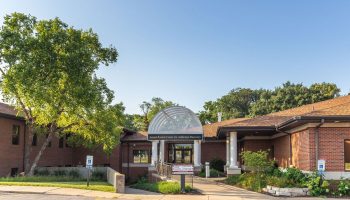
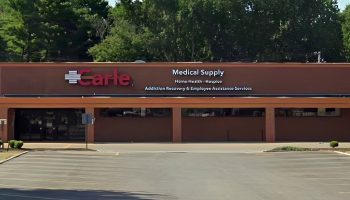
Addiction Recovery Center at Carle Health Proctor Hospital

5409 Knoxville Avenue Peoria, IL 61614
Detox Service Setting
Inpatient DetoxOutpatient DetoxMAT
Levels Of Care
InpatientPHPOutpatient+2
Addiction Recovery Center at Carle Health Proctor Hospital

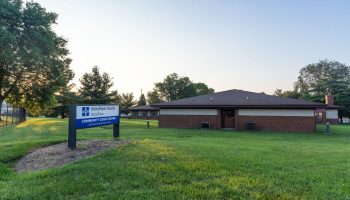
The Human Service Center Community Crisis Center Medical Detox

130 North Richard Pryor Place Peoria, IL 61605
Detox Service Setting
Outpatient Detox
Levels Of Care
OutpatientAftercareDual Diagnosis
The Human Service Center Community Crisis Center Medical Detox

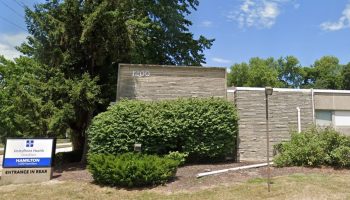
Trillium Place on Hamilton

1200 Hamilton Boulevard Peoria, IL 61606
Detox Service Setting
Inpatient DetoxOutpatient Detox
Levels Of Care
InpatientOutpatientAftercare+1
Trillium Place on Hamilton

Addiction Recovery Center Unity Point Hospital Methodist/Proctor

5409 Knoxville Avenue Peoria, IL 61614
Detox Service Setting
Hospital DetoxOutpatient DetoxMAT
Levels Of Care
InpatientOutpatientPHP+1

Brightside Clinic and Suboxone Doctors of Peoria

24363 Spring Creek Rd Peoria, IL 61571
Detox Service Setting
Inpatient DetoxOutpatient Detox
Levels Of Care
InpatientOutpatient

DUI Countermeasures Inc

456 Fulton St Peoria, IL 61602
Detox Service Setting
Inpatient DetoxOutpatient Detox
Levels Of Care
InpatientOutpatient

Human Service Center on Richard Pryor Place

130 South Richard Pryor Place Peoria, IL 61605
Detox Service Setting
Hospital Detox
Levels Of Care

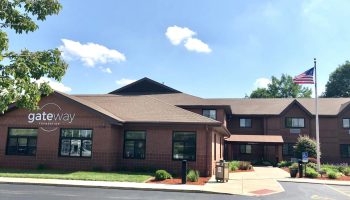
Gateway Foundation Springfield Drug Addiction Treatment Center

2200 Lake Victoria Drive Springfield, IL 62703
Detox Service Setting
Inpatient DetoxOutpatient DetoxMAT
Levels Of Care
InpatientOutpatientAftercare+3
Gateway Foundation Springfield Drug Addiction Treatment Center

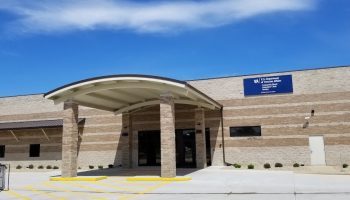
VA Illiana Health Care System – Decatur Community Based Outpatient Clinic

792 North Sunnyside Road Decatur, IL 62522
Detox Service Setting
Inpatient DetoxOutpatient DetoxMAT
Levels Of Care
InpatientOutpatientAftercare+2
VA Illiana Health Care System – Decatur Community Based Outpatient Clinic

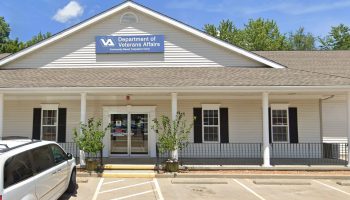
VA Illiana Health Care System – Springfield Community Based Outpatient Clinic

5850 South 6th Street Springfield, IL 62703
Detox Service Setting
Inpatient DetoxOutpatient Detox
Levels Of Care
InpatientOutpatientAftercare+2
VA Illiana Health Care System – Springfield Community Based Outpatient Clinic

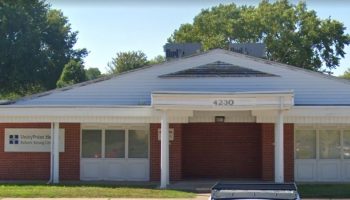
CADS Center for Alcohol and Drug Services Rock Island

4230 11th Street Rock Island, IL 61201
Detox Service Setting
Inpatient DetoxOutpatient Detox
Levels Of Care
InpatientOutpatientAftercare+1
CADS Center for Alcohol and Drug Services Rock Island

The Abbey Center

1401 Central Avenue Bettendorf, IA 52722
Detox Service Setting
Inpatient DetoxOutpatient Detox
Levels Of Care
InpatientOutpatientAftercare+2
The Abbey Center

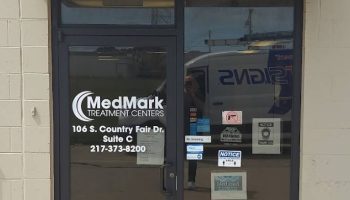
MedMark Treatment Centers Champaign

106 S Country Fair Dr Champaign, IL 61821
Detox Service Setting
Inpatient DetoxOutpatient Detox
Levels Of Care
InpatientOutpatient
MedMark Treatment Centers Champaign

Rosecrance on Moreland

2302 Moreland Boulevard Champaign, IL 61822
Detox Service Setting
Inpatient DetoxOutpatient DetoxMAT
Levels Of Care
InpatientPHPOutpatient+2
Rosecrance on Moreland

Carle Addiction Recovery Center

1813 West Kirby Avenue Champaign, IL 61821
Detox Service Setting
Outpatient DetoxMAT
Levels Of Care
OutpatientAftercareDual Diagnosis+2
Carle Addiction Recovery Center

Drug & Alcohol Detox in Peoria, IL

Drug and alcohol detox programs in Peoria operate under a clear regulatory structure.

The Illinois Department of Human Services’ Division of Substance Use Prevention and Recovery (IDHS/SUPR) is the primary state authority that licenses all detoxification and substance use disorder treatment facilities in Illinois, including those in Peoria. Every licensed detox facility must comply with Illinois Administrative Code Part 2060, which sets the staffing, clinical and safety standards for all levels of detox care.

At the local level, the Peoria City/County Health Department (PCCHD) tracks overdose trends, maintains the Opioid Awareness Hub, and oversees local public health resources related to addiction.

Peoria has approximately five licensed detox facilities and more than two dozen outpatient treatment programs. Inpatient beds can fill quickly, particularly at state-funded programs, so calling early and asking about bridge care or a wait-list is recommended when immediate placement is unavailable.

Most importantly, if you are experiencing life-threatening withdrawal symptoms, go to the nearest emergency room or call 911 regardless of insurance status.

Two recent legislative changes are particularly relevant for Peoria residents with private insurance. Illinois’ Health Care Protection Act, which took effect January 1, 2025, prohibits private insurers from requiring prior authorization for the first 72 hours of inpatient behavioral health care, including detox.

Its successor, the Health Care Protection Expansion Act, extended additional protections to partial hospitalization and outpatient services beginning January 1, 2026. These laws remove a common administrative barrier that previously delayed access to care during medical crises.

For those without insurance, IDHS/SUPR block grant funding supports free or low-cost slots at many local providers. You can dial 211 for referrals to programs with current availability, or call the Illinois Helpline for Opioids and Other Substances at 833-234-6343.

If you are unsure which level of care is right for your situation, reviewing how to choose a detox center before making calls can help you ask the right questions.
Find The Perfect Detox Center For You

Filter treatment centers in Peoria by level of care offered to find the best detox program for you or a loved one.

Paying for Detox in Peoria

Understanding the cost of drug and alcohol detox in Peoria is a practical first step. Costs vary based on the level of care, the substances involved, medical complexity and length of stay. In fact, many people reduce their out-of-pocket expenses substantially through insurance coverage, state-funded programs or sliding-scale options.

How Much Does Detox Cost in Peoria?

The cost of detox in Illinois is primarily driven by the level of medical supervision required and the length of the episode.

Hospital-based medical detox, which involves 24-hour physician oversight and monitoring, carries the highest per-day rate. While residential detox programs are less expensive and outpatient and MAT options are the most affordable.

These figures represent full sticker costs before any insurance or financial assistance is applied. Most people pay considerably less.

$150k
Medical Detox
$51k
Inpatient Rehab
$11k
Outpatient Rehab
$5.2k
Methadone Treatment

Does Private Insurance Cover Detox in Peoria?

Private insurers operating in Illinois must provide mental health and substance use disorder coverage on par with medical and surgical benefits under the federal Mental Health Parity and Addiction Equity Act and Illinois parity law. The Illinois Department of Insurance oversees compliance with these requirements and enforces them through audits and enforcement actions.

Effective January 2025, state law also limits an insurer’s ability to delay inpatient behavioral health admissions by requiring prior authorization.

The most common commercial insurers in the Peoria market include:

Blue Cross Blue Shield
United Health Care
Aetna
Cigna
Humana
Molina Healthcare

Medicare and Medicaid in Peoria

Medicare

Medicare covers inpatient and outpatient drug and alcohol detox in Peoria for eligible individuals.

Part A covers inpatient hospital-based detox stays, and Part B covers outpatient substance use disorder services. Opioid Treatment Programs that provide methadone, buprenorphine and naltrexone as part of a bundled OTP benefit are also covered. Keep in mind that copays and deductibles vary by plan type and setting.

Medicaid

Illinois Medicaid, administered through the HealthChoice Illinois managed care program, covers detox, inpatient, outpatient and medication-assisted treatment services for eligible residents.

HealthChoice Illinois MCO contracts require coverage parity for mental health and substance use disorder benefits. As of October 1, 2024, peer recovery support services are also covered when delivered by an IDHS/SUPR-licensed provider.

Other Ways to Pay for Detox Treatment

Cost should not be the reason someone in Peoria delays or avoids treatment. Several alternatives exist for people without adequate private insurance:

Sliding Scale Payment Systems: 

Heartland Health Services, a Federally Qualified Health Center (FQHC) in Peoria, provides counseling and medication-assisted treatment on a sliding fee scale based on income and federal poverty guidelines, making care accessible regardless of insurance status.

IDHS Block Grant Funding: 

IDHS/SUPR allocates federal substance abuse block grant funds to licensed community providers throughout Illinois. These “IDHS slots” allow qualifying individuals to access detox and treatment at little or no cost. When contacting any local program, ask directly whether IDHS-funded slots are available and what documentation is needed to apply.

Veterans Programs: 

Veterans residing in or near Peoria may access substance use disorder treatment, including detox and MAT, through the U.S. Department of Veterans Affairs. The Central Illinois VA Health Care System serves veterans in the Peoria region. Call 1-800-827-1000 to confirm eligibility and identify the closest VA detox resource.

Illinois Opioid Remediation-Funded Programs: 

Through the Illinois Opioid Settlements Initiative, the state has directed tens of millions of dollars in opioid settlement funds toward community-based recovery services, warm hand-off programs, and MAT access. Several organizations serving Peoria receive this funding. Dialing 211 or the Illinois Helpline (833-234-6343) can connect you with currently funded programs in your area.

Peoria, Illinois Regulations and Accreditation for Detox

Key regulatory and accreditation bodies that oversee detox and substance use disorder treatment services in Peoria and Illinois include:

Division of Substance Use Prevention and Recovery (IDHS/SUPR)

IDHS/SUPR is the single state authority for substance abuse issues in Illinois and the primary licensing body for all detoxification facilities. SUPR issues licenses, monitors ongoing compliance with the Illinois Alcoholism and Other Drug Abuse and Dependency Act, funds community-based SUD treatment and sets the staffing and clinical standards all licensed detox programs must meet.

Illinois Administrative Code, Part 2060 and Part 2090

These are the governing state regulations for all licensed substance use disorder treatment facilities in Illinois, including detox programs in Peoria. Part 2060 defines detoxification levels of care, staffing requirements, medical oversight protocols and safety standards using ASAM Patient Placement Criteria as the clinical framework—Part 2090 addresses Medicaid certification standards.

Peoria City/County Health Department (PCCHD)

The PCCHD functions as the local public health authority for Peoria County, conducting epidemiological surveillance of overdose trends and maintaining the Opioid Awareness Hub, an online resource that maps Narcan distribution sites, buprenorphine prescribers and local treatment options. PCCHD partners with JOLT Harm Reduction and other community organizations to coordinate local overdose prevention efforts.

Website: pcchd.org

Illinois Department of Healthcare and Family Services (HFS)

HFS administers the HealthChoice Illinois Medicaid managed care program and manages Medicaid certification for substance use disorder treatment facilities. Organizations must be both licensed by IDHS/SUPR and enrolled by HFS to receive Medicaid reimbursement. HFS also enforces mental health and substance use disorder coverage parity requirements for HealthChoice Illinois managed care organizations.

Key MAT Medications and Regulatory Status in Peoria

Medication-assisted treatment in Peoria is available at several outpatient providers and is regulated at both the federal and state levels.

IDHS/SUPR licenses and oversees MAT providers in Illinois, and all programs must meet SAMHSA’s Opioid Treatment Program requirements under 42 CFR Part 8 for methadone-based treatment. For those exploring their options, medication-assisted detox provides a thorough overview of how each medication works in withdrawal management.

In Illinois, counseling and behavioral health services are expected components of MAT programs, though the state has also supported low-barrier and telehealth-accessible models to reduce the burden on patients.

Buprenorphine: 

Widely accessible in Peoria through outpatient providers and telehealth prescribers. Buprenorphine (including Suboxone) can be initiated at home under remote clinical supervision, making it one of the most practical options for people seeking immediate, flexible access to opioid use disorder treatment. Heartland Health Services and other community health programs in Peoria offer buprenorphine with sliding-scale fees.

Methadone: 

Available only through federally certified Opioid Treatment Programs (OTPs), meaning it cannot be obtained at a standard outpatient clinic or pharmacy for opioid use disorder. Initial daily dosing requirements can be logistically demanding, but Illinois Medicaid covers methadone through HealthChoice Illinois, keeping it financially accessible for eligible residents.

Naltrexone: 

Non-opioid and non-addictive, naltrexone requires no special facility certification to prescribe, making it available through a wide range of providers, including primary care physicians. The injectable extended-release form (Vivitrol) is commonly used for both alcohol use disorder and opioid use disorder and is covered by Illinois Medicaid.

Overdose Prevention and Harm Reduction in Peoria

Peoria has one of the more established harm reduction networks in downstate Illinois, anchored by the JOLT Foundation and supported by the Peoria City/County Health Department.

As a result, opioid overdose deaths in Peoria County declined significantly after harm reduction services expanded locally, a trend attributed in part to increased naloxone access and community outreach. However, the rise of fentanyl-adulterated drug supplies and newer adulterants like xylazine, which do not respond to naloxone alone, has made drug checking services and wound care increasingly important alongside standard overdose reversal.

These services often act as a direct bridge to detox and long-term recovery, connecting people who use drugs with MAT prescribers, treatment navigators and clinical referrals.

JOLT Foundation

Free overdose reversal kits (naloxone with instructions and training) Free and sterile syringes Safe-use supplies, alcohol pads, sterile water, tourniquets Sharps containers and wound care Fentanyl and xylazine drug checking Street-based outreach to people experiencing homelessness people who use drugs and people involved in sex work Overdose education and response training for first responders, schools and community organizations

Founded in memory of Joshua Olt, who died of an accidental heroin overdose in 2012, JOLT is the primary community-based harm reduction provider in Peoria County. JOLT has been a registered Drug Overdose Prevention Program (DOPP) grantee through IDHS, giving it the authority to distribute free Narcan throughout its service area.

Public health officials at PCCHD have credited JOLT’s operations with contributing to a period of declining overdose deaths in Peoria County during the years following the organization’s founding.

Peoria City/County Health Department (PCCHD) Opioid Awareness Hub

Interactive map of local Narcan distribution sites Searchable directory of buprenorphine prescribers in the Peoria region Local overdose surveillance data and trend reporting Links to treatment referral and harm reduction resources

PCCHD maintains the Opioid Awareness Hub as a publicly accessible resource for both residents and professionals. The hub is updated with current distribution site locations, making it the most practical starting point for anyone in Peoria County looking to obtain naloxone or locate a nearby prescriber for MAT.

Live4Lali

Naloxone distribution and NARCAN training (in-person and virtual) Fentanyl test strips and sterile syringes Mobile "Stigma Crusher" outreach unit Treatment navigation and transportation assistance Peer support and recovery resources

Live4Lali is a statewide Illinois harm reduction and recovery organization listed as a resource by PCCHD.

The organization provides naloxone, fentanyl test strips, and safer-use supplies through community outreach and can also help connect people to treatment options across all levels of care. Professional and group NARCAN trainings are provided free of charge in Live4Lali’s service territories.

NEXT Distro (NEXT Harm Reduction)

Mail-delivered naloxone and harm reduction supplies Sterile syringes and safer-use materials Online intake Anonymous delivery and fentanyl test strips

NEXT Distro is a national harm reduction nonprofit that ships naloxone and supplies directly to individuals who cannot or prefer not to access services in person.

It is listed as a resource by PCCHD specifically to serve Peoria residents facing geographic or stigma-related barriers to in-person services. Delivery is discreet and available to individuals throughout Illinois.

Detox Statistics in Peoria, Illinois

Peoria County has made measurable progress on overdose deaths over the past several years, driven by expanded naloxone access and the growth of harm reduction services. Fentanyl adulteration and newer substances like xylazine continue to challenge the local response.

50% Drop in Fatal Overdoses in Peoria County in 2022:

Peoria County saw approximately a 50% decrease in fatal overdoses in 2022 compared to prior years, bucking national trends that year. JOLT Harm Reduction’s director attributed the decline in part to locally available harm reduction services.

~900 Narcan Administrations Annually in Peoria County:

By the early 2020s, emergency Narcan administrations in Peoria County reached approximately 900 per year. The Peoria City/County Health Department estimated that without local naloxone access, approximately eight additional overdose deaths per month would have occurred.

Peoria Region Showed Stable or Declining Overdose ED Visits in 2023-2024:

Monthly emergency department visits for all-drug and opioid overdose in the Peoria IDPH Region showed a stable or decreasing trend from January 2023 through March 2024, consistent with statewide improvement patterns.

FAQs About Detox in Peoria, IL

How do I access state-funded detox in Peoria without insurance?

Contact any IDHS/SUPR-licensed facility in Peoria and ask whether they have IDHS block grant “funded slots” available. These slots allow qualifying Illinois residents to access detox at no cost based on income.

You can also call 211 for a current list of programs with available state-funded openings, or call the Illinois Helpline for Opioids and Other Substances at 833-234-6343 for live referral assistance.

Is naloxone (Narcan) free in Peoria?

Yes. The JOLT Foundation distributes free Narcan kits with basic overdose-response training throughout Peoria County, including through street-based outreach.

The Peoria City/County Health Department’s Opioid Awareness Hub maps current distribution sites. NEXT Distro can also mail naloxone directly to residents who prefer not to visit a site in person.

As well, most pharmacies in Peoria also carry naloxone without a prescription, and Illinois Medicaid covers it at no copay for eligible enrollees.

Does Illinois law protect my right to start detox without insurance delays?

Yes, for inpatient care. The Illinois Health Care Protection Act, effective January 1, 2025, prohibits state-regulated private insurers from requiring prior authorization for the first 72 hours of inpatient behavioral health treatment, which includes medical detox.

This law was specifically designed to prevent life-threatening administrative delays. A 2026 law expanded similar protections to partial hospitalization and outpatient services.

Always verify your specific plan’s coverage before admission, as self-insured employer plans may not be subject to state law.

What happens after detox? Is there continuing care in Peoria?

Detox addresses the acute medical phase of withdrawal but is not a standalone treatment for substance use disorder.

Following detox, most people benefit from transitioning to an inpatient residential program, an intensive outpatient program (IOP) or ongoing medication-assisted treatment.

Peoria has outpatient and IOP options available, and aftercare planning is a critical step that should begin while you are still in detox. Ask your treatment team about warm hand-off referrals to the next level of care before discharge.

Does Peoria have resources for veterans seeking detox?

Yes. Veterans in the Peoria area may access substance use disorder treatment, including detox and MAT, through the Central Illinois VA Health Care System.

VA benefits cover a range of SUD services at no cost to eligible veterans. Call 1-800-827-1000 to verify your eligibility and identify the appropriate VA facility or referral pathway in your area.

For veterans without VA eligibility, IDHS block grant funding may also cover treatment costs.

What makes Peoria different from Chicago for people seeking detox?

Peoria is a much smaller city, which means fewer total facilities and a higher likelihood that inpatient beds fill quickly. State-funded programs in particular can have wait times during high-demand periods, and there are fewer specialty or luxury programs available.

On the other hand, Peoria has a well-connected harm reduction and treatment community, with strong coordination between PCCHD, JOLT Foundation, and local clinical providers.

Additionally, the 211 referral line and the Illinois Helpline at 833-234-6343 are the most practical starting points for navigating current availability.

Two people talking
Get Help Today!
If you or a loved one is in need of help, call today. Pick up the phone and get the help you need.
800-483-2193
Confidential. Available 24 Hours

Browse Detox Centers

Get Help Today Phone icon 800-779-4314