

 800-262-4205
Indiana Center for Recovery Alcohol and Drug Rehab Center 
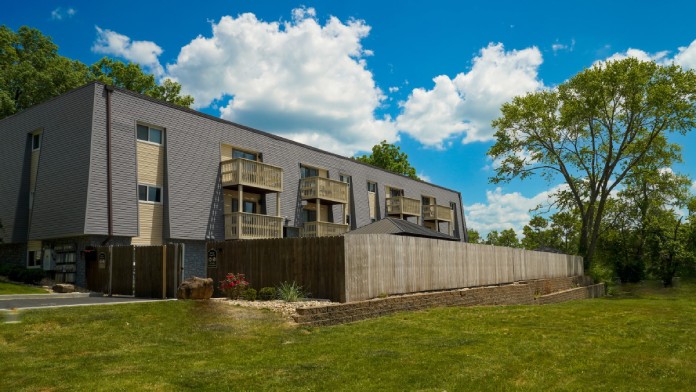
About Indiana Center for Recovery Alcohol and Drug Rehab Center
People who are ready to stop drinking or using drugs can go through withdrawal with medical supervision at Indiana Center for Recovery, a detox center in Bloomington, Indiana. The center treats substance use and co-occurring conditions (a drug or alcohol problem and a mental health condition together) at the same time. Most detox stays here last 3 to 10 days, depending on what you are coming off and how you feel along the way.
Medical Monitoring During Detox
Detox at the Bloomington center runs with nursing coverage around the clock, and the team includes a psychiatrist along with master’s-level therapists and certified peer coaches. That staffing is what lets symptoms be watched closely through the first days, when they are most likely to change. The center can often take same-day admissions, which shortens the wait between deciding to stop and being somewhere with help on hand. It also runs residential treatment, typically 30 days, and offers relapse prevention and aftercare planning.
Indiana Center for Recovery is one of 10 locations the organization runs across Indiana, and it serves people from Monroe, Brown, Bartholomew, Decatur, Jackson, Jennings, Greene and Owen counties. Transportation can be arranged if you need it.
| Levels of Care | Detox Service Setting | Programs | Payment Options | ||||||
|---|---|---|---|---|---|---|---|---|---|
|
Inpatient and residential programs provide round-the-clock medical and emotional support as you live at the treatment facility. This level of care may be recommended if you have severe addictions or mental health conditions since it removes outside distractions and allows you to focus solely on therapy. |
Outpatient care happens at the same site as detox, so mental health and addiction treatment both share a single campus. |
Aftercare programs provide ongoing support after you complete a rehab program. They may include several components to help you maintain sobriety including therapy, community support groups and relapse prevention strategies. This gives you a network of resources as you reintegrate into your daily life. |
Dual diagnosis programs address substance use disorders and co-occurring mental health conditions simultaneously. This integrated approach to care improves the likelihood of long term recovery and stability by addressing the root causes of addiction. |
An intervention is a structured and professionally guided conversation with an individual who is struggling with addiction. During the conversation, family and friends will encourage you to seek treatment. This is often a pivotal step for those resistant to getting help. |
Intensive Outpatient
|
||||
|
Detox stays here usually run 3 to 10 days. The length depends on what a person is detoxing from and how they feel. |
Outpatient detox gives you access to medically supervised withdrawal services while still allowing you to live at home. You’ll attend a clinic for treatment and monitoring. This flexible option is suitable for those with mild to moderate withdrawal symptoms who have strong support systems. |
||||||||
|
Adult programs address the substance use and life challenges specific to adults. Therapists can deliver sessions in individual, group and family settings. Services often include job support and life skills training in a structured environment.
|
Alcohol detox programs offer medical support to help individuals withdraw safely from alcohol. Your care team may use medications to ease your symptoms and provide medical monitoring to address complications.
|
Cognitive behavioral therapy focuses on changing harmful thought patterns and behaviors associated with addiction. You’ll learn healthier coping mechanisms by identifying and replacing negative thoughts. This improves your emotional resilience and decreases your relapse potential.
|
Most drug detox stays here last 3 to 10 days. What a person is coming off and how they feel decide where a stay lands. |
EMDR stands for eye movement desensitization and reprocessing therapy. It helps you process traumatic memories that may underlie addiction. You’ll learn how to reduce emotional distress and begin healing from past events. This makes it effective for trauma related addiction causes.
|
Exercise therapy incorporates physical activity into treatment to promote mental and physical health. Regular exercise reduces stress, boosts mood and enhances your overall wellbeing. This can give you a positive outlook and lower your relapse risk.
|
Men's programs address substance use while also considering the social pressures, family roles and mental health concerns that are specific to men. You’ll learn healthy coping mechanisms as you build emotional resilience and develop communication skills.
|
Opioid detox uses medications to ease severe withdrawal symptoms. It also includes medical supervision to help you manage potential complications. These services allow you to stabilize and begin a recovery plan.
|
Rational behavior therapy helps you identify irrational beliefs that contribute to an addiction. Challenging and modifying those beliefs helps you develop healthier attitudes and behaviors. This therapy supports long term sobriety and sustainable recovery.
|
Women's programs offer a safe and supportive space to focus on gender specific issues such as trauma, family roles and mental health conditions. Therapists tailor the sessions to address women's needs and foster empowerment in a healing and nurturing environment.
|
|
Private Insurance
|
Self Pay
|
Levels of Care
Inpatient and residential programs provide round-the-clock medical and emotional support as you live at the treatment facility. This level of care may be recommended if you have severe addictions or mental health conditions since it removes outside distractions and allows you to focus solely on therapy.
Outpatient care happens at the same site as detox, so mental health and addiction treatment both share a single campus.
Aftercare programs provide ongoing support after you complete a rehab program. They may include several components to help you maintain sobriety including therapy, community support groups and relapse prevention strategies. This gives you a network of resources as you reintegrate into your daily life.
Dual diagnosis programs address substance use disorders and co-occurring mental health conditions simultaneously. This integrated approach to care improves the likelihood of long term recovery and stability by addressing the root causes of addiction.
An intervention is a structured and professionally guided conversation with an individual who is struggling with addiction. During the conversation, family and friends will encourage you to seek treatment. This is often a pivotal step for those resistant to getting help.
Detox Service Setting
Detox stays here usually run 3 to 10 days. The length depends on what a person is detoxing from and how they feel.
Outpatient detox gives you access to medically supervised withdrawal services while still allowing you to live at home. You’ll attend a clinic for treatment and monitoring. This flexible option is suitable for those with mild to moderate withdrawal symptoms who have strong support systems.
Programs
Most drug detox stays here last 3 to 10 days. What a person is coming off and how they feel decide where a stay lands.
Amenities
Accreditations


Accepted Insurance























Contact



Lauren wears many hats, and works as a holistic deep tissue massage therapist, content strategist, and copywriter. She’s been writing copy and dreaming up content for a number of brands for almost 10 years, having worked with a mixture of B2B and B2C brand. Some of her more notable clients include adidas, Gucci, Pepsi, and Hotels.com. A skilled editor and copywriter, she also enjoys planning content for social media and brand marketing campaigns.

Nikki Wisher is an Atlanta-based content writer with over a decade of experience specializing in health and wellness. While she spends most of her days writing about various aspects of health, from addiction recovery to fitness to skin care, she also writes content in many other areas like photography, beauty, and marketing. Her passion project is her inclusive running blog, forallrunners.com.
Detox.com regularly reviews this listing for accuracy but changes may occur between updates. For the most up-to-date information, please contact Indiana Center for Recovery Alcohol and Drug Rehab Center.
Nearby Detox Centers

Search by Indiana Cities
FAQs
What services does Indiana Center for Recovery offer at Bloomington?
Detox, outpatient care and an intensive outpatient program, with relapse prevention and aftercare planning as part of the work. Treatment runs on a single site, so detox and outpatient care happen at the same location, and detox stays usually last 3 to 10 days.
How long does detox usually last at Indiana Center for Recovery?
Most stays run 3 to 10 days. What a person is detoxing from and how they feel during it set where in that range a stay falls.
Which Indiana counties does this Bloomington location serve?
Monroe, Brown, Bartholomew, Decatur, Jackson, Jennings, Greene and Owen. Transportation is available if it’s needed, and the setting includes an indoor gym, rock climbing, a movie theater and a salon.
Who is on the treatment team here?
A psychiatrist, nurses around the clock, master’s level clinical therapists, certified peer coaches and an on-site chef among the support staff, on a team the center calls nationally recognized.