225-245-7959
NOLA Detox and Recovery Center
New Orleans, LA
70131
Baton Rouge, Louisiana’s capitol city, is both an exciting tourist destination and a place many people call home. Unfortunately, though, a number of people living in Baton Rouge suffer from substance abuse disorders and do not seek the treatment they need. In many cases, the best way to begin one’s recovery from addiction is in a detox center where one can receive help for the withdrawal symptoms associated with recovery.
Let us help you find safe, reliable, and affordable drug and alcohol detox centers in Baton Rouge, LA today where you or someone you love can go through withdrawal. Call 504-946-9275 now, and we will match you with the best options for your needs.
| Name | Address | Detox Service Setting | Levels Of Care | Media |
|---|---|---|---|---|
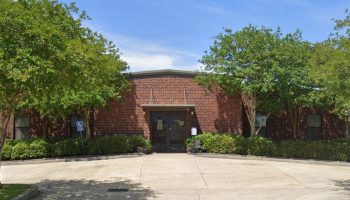
Capital Area Recovery Program |
2455 Wooddale Boulevard Baton Rouge, LA 70805 |
Detox Service Setting
Inpatient DetoxOutpatient Detox
|
Levels Of Care
InpatientOutpatientAftercare+1
|
|
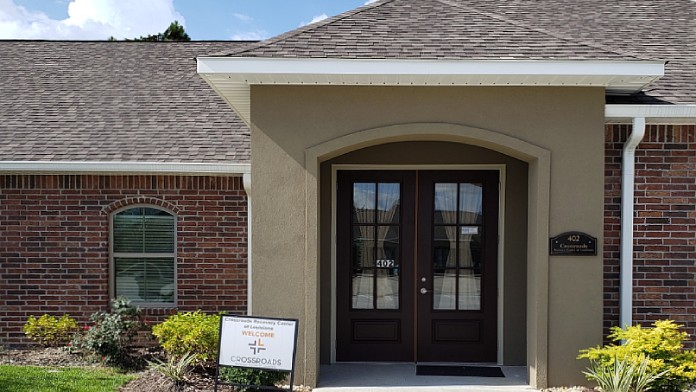
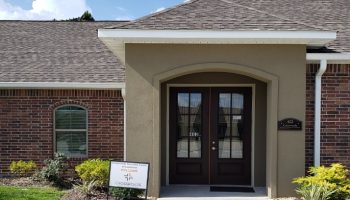
Crossroads Recovery Center of Louisiana |
4626 Sherwood Common Blvd Baton Rouge, LA 70816 |
Detox Service Setting
Inpatient DetoxOutpatient Detox
|
Levels Of Care
InpatientOutpatient
|
|
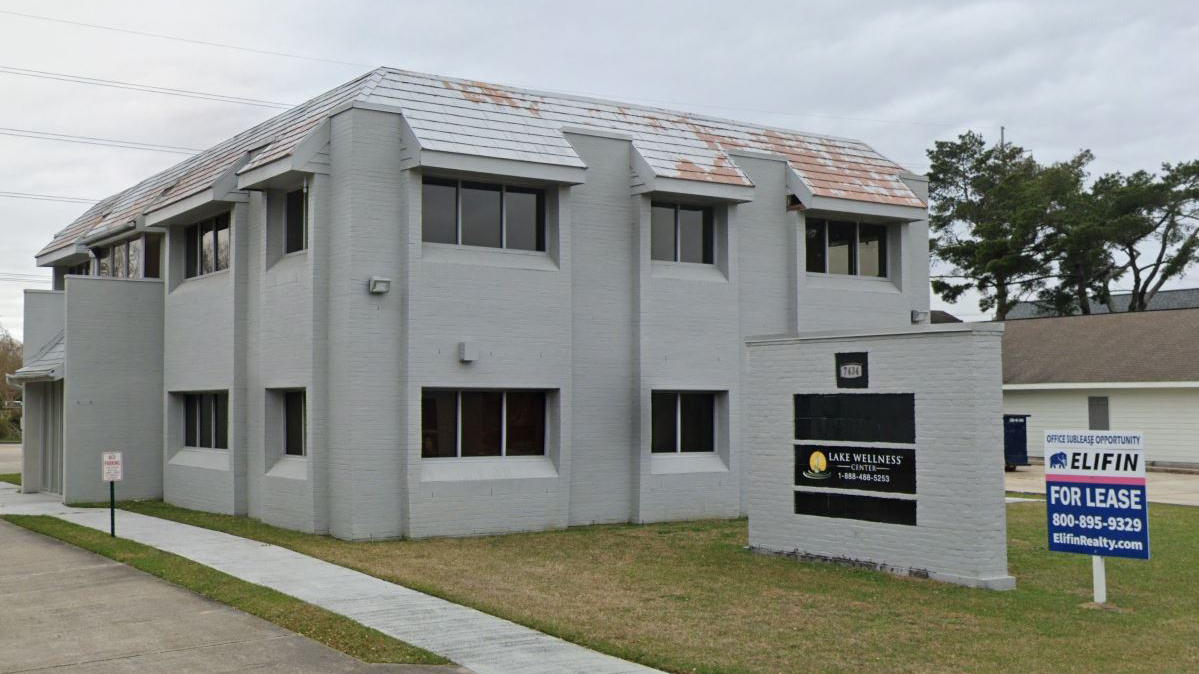
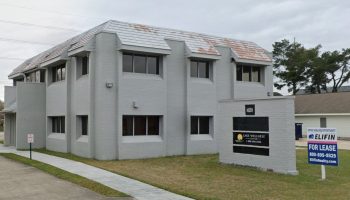
Lake Wellness Center Baton Rouge |
7434 Picardy Avenue Baton Rouge, LA 70808 |
Detox Service Setting
Inpatient DetoxOutpatient Detox
|
Levels Of Care
InpatientOutpatientDual Diagnosis
|
|
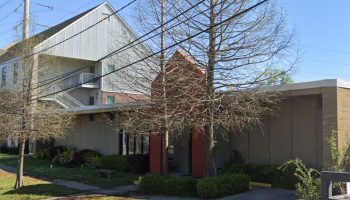
O Brien House |
446 North 12th Street Baton Rouge, LA 70802 |
Detox Service Setting
Inpatient DetoxOutpatient Detox
|
Levels Of Care
InpatientOutpatientSober Living
|
|
Baton Rouge Behavioral Hospital |
4040 North Boulevard Baton Rouge, LA 70806 |
Detox Service Setting
Inpatient DetoxOutpatient DetoxHospital Detox
|
Levels Of Care
InpatientOutpatientIntensive Outpatient+2
|
|
BR Area Alcohol and Drug Center Inc |
1819 Florida Boulevard Baton Rouge, LA 70802 |
Detox Service Setting
Inpatient DetoxOutpatient DetoxHospital Detox
|
Levels Of Care
InpatientOutpatient
|
|
Capital Area Human Services Baton Rouge Behavioral Health |
2751 Wooddale Blvd Baton Rouge, LA 70805 |
Detox Service Setting
Inpatient DetoxOutpatient Detox
|
Levels Of Care
InpatientOutpatient
|
|
Jefferson Oaks Behavioral Health |
8318 Jefferson Hwy. Baton Rouge, LA 70809 |
Detox Service Setting
Inpatient DetoxOutpatient DetoxMAT
|
Levels Of Care
InpatientOutpatientDual Diagnosis+3
|
|
LHRC Reality House |
2056 North Blvd Baton Rouge, LA 70806 |
Detox Service Setting
Inpatient DetoxOutpatient Detox
|
Levels Of Care
InpatientOutpatient
|
|
Serenity Treatment Center – Baton Rouge |
2325 Weymouth Drive Baton Rouge, LA 70809 |
Detox Service Setting
Hospital DetoxInpatient DetoxOutpatient Detox+1
|
Levels Of Care
InpatientOutpatient
|
|
Townsend Treatment Center |
7434 Picardy Avenue Baton Rouge, LA 70808 |
Detox Service Setting
Outpatient DetoxMAT
|
Levels Of Care
|
|
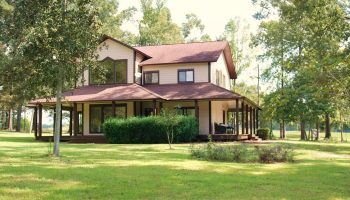
Woodlake Addiction Recovery Center |
3015 Louisiana 956 Ethel, LA 70730 |
Detox Service Setting
Inpatient DetoxOutpatient Detox
|
Levels Of Care
InpatientOutpatientAftercare+1
|
|
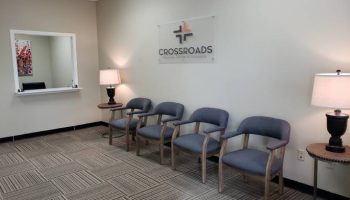
Crossroads Recovery Center of Louisiana |
826 Louisiana 30 W Gonzales, LA 70737 |
Detox Service Setting
Inpatient DetoxOutpatient Detox
|
Levels Of Care
InpatientOutpatient
|
|
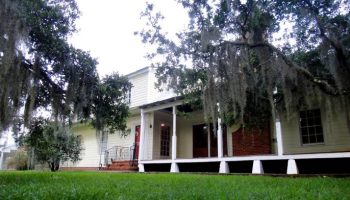
Riverhouse Sober Living |
136 River Rd Lafayette, LA 70501 |
Detox Service Setting
Inpatient DetoxOutpatient Detox
|
Levels Of Care
InpatientOutpatient
|
|
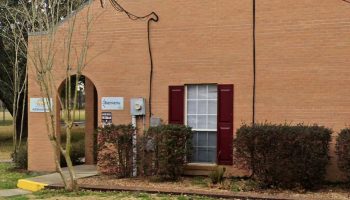
HERO Treatment Program |
1649 Linwood Loop Opelousas, LA 70570 |
Detox Service Setting
Inpatient DetoxOutpatient Detox
|
Levels Of Care
InpatientOutpatientAftercare+1
|
|
All drug and alcohol detox facilities operating in Baton Rouge must hold a license issued by the Louisiana Department of Health (LDH), Office of Behavioral Health (OBH). The OBH sets clinical and safety standards for medically supervised withdrawal management, and facilities must meet those standards before serving patients.
Of note, Louisiana does not require a Certificate of Need for behavioral health facilities. This means programs can expand without prior state capacity approval, though the 2024 legislative session added a Facility Need Review process for new residential substance use disorder treatment providers under Act 692.
When you are evaluating a facility, look beyond state licensure and confirm whether the program holds additional national accreditation from CARF International or The Joint Commission. Both signals indicate the program meets higher voluntary standards for clinical quality and patient safety.
For residents seeking publicly funded care, Capital Area Human Services (CAHS) is the regional human services authority for Region 2, which covers East Baton Rouge Parish and surrounding areas.
CAHS coordinates access to state-funded treatment programs for uninsured and underinsured individuals and can help to connect callers to available detox beds and outpatient services at no cost or reduced cost based on income.
East Baton Rouge Parish has received significant opioid abatement settlement funds to expand prevention, treatment and recovery services. In August 2025, the Metro Council approved more than $3.5 million in opioid settlement allocations across agencies covering prosecution, peer recovery and direct treatment programs, which is the largest single allocation the parish had approved to date.
Finding payment options for detox in Baton Rouge is manageable when you know where to look.
Costs can vary significantly based on the level of care, the length of stay and whether a facility is private-pay, insurance-based or publicly funded. It is important to remember that, whether you have insurance or not, there are financial pathways worth exploring before ruling anything out.
The cost of detox in Baton Rouge depends on the care setting, clinical intensity and length of treatment.
As such, hospital-level medical detox, which involves round-the-clock physician management and monitoring, carries the highest price point.
Inpatient residential programs vary widely between private-pay facilities and publicly funded options and ambulatory detox programs, which provide medical oversight and counseling on an outpatient basis, are a lower-cost alternative available in the Baton Rouge area.
The figures below reflect state-level estimates for Louisiana. Keep in mind that individual costs depend on facility type, insurance coverage and length of stay.
Private insurance plans sold in Louisiana must comply with the federal Mental Health Parity and Addiction Equity Act (MHPAEA) and the Affordable Care Act, which together require that substance use disorder treatment be covered at the same level as medical and surgical benefits. The Louisiana Department of Insurance oversees insurer compliance within the state.
The most common commercial insurance providers accepted at Baton Rouge detox and rehab facilities include:

Medicare covers medically supervised detox for people 65 and older and younger people with a qualifying disability. Part A covers inpatient hospital-level detox. Part B covers outpatient care and medication-assisted treatment through an opioid treatment program, including methadone, buprenorphine and naltrexone, a benefit Medicare has covered since 2020. This matters locally since Healthy Louisiana does not cover methadone for opioid use disorder.
Most Louisiana Medicare beneficiaries are enrolled in a Medicare Advantage (Part C) plan, so confirm which Baton Rouge facilities are in-network. Part D, or the drug coverage bundled into an Advantage plan, covers MAT medications.
Louisiana’s Medicaid program, called Healthy Louisiana, covers adults earning up to 138% of the federal poverty level. It includes coverage for medically supervised detox, outpatient substance use services, behavioral therapy and most medication-assisted treatment medications.
Healthy Louisiana also covers buprenorphine (including buprenorphine/naloxone formulations such as Suboxone) and naltrexone (including the injectable Vivitrol formulation). However, methadone for opioid use disorder treatment is not covered through Healthy Louisiana managed care plans.
Individuals who need methadone must access it through federally certified Opioid Treatment Programs and may need to pay out-of-pocket or access other funding.
Of note, Louisiana’s OUD/SUD 1115 Demonstration Waiver, approved through December 31, 2027, extends Medicaid coverage to residential SUD treatment stays in facilities that would otherwise be excluded under federal Institutions for Mental Disease rules. This expands the number of Medicaid-funded residential beds available to Louisiana residents, including those in the Baton Rouge area.
Several publicly funded and low-cost options exist for residents who do not have insurance or cannot afford private treatment:

The Region 2 human services authority coordinates state-funded detox and substance use treatment for eligible residents. CAHS helps low-income individuals access care regardless of insurance status.
Offers an ambulatory (outpatient) detox program and accepts Medicaid. The program is designed to be affordable and is available in Baton Rouge and Gonzales.
A nonprofit facility in Baton Rouge providing inpatient and outpatient treatment, including a specialized program for veterans. Accepts Medicaid and offers financial assistance.
Eligible veterans may access detox treatment through VA-contracted community providers in the Capital Region or through the Southeast Louisiana Veterans Health Care System.
Dialing 211 or visiting la211.org connects callers to free, confidential referrals for substance use treatment, financial assistance and other social services throughout East Baton Rouge Parish.
Baton Rouge detox facilities operate within a layered oversight structure that includes state licensure, federal compliance requirements for medically assisted treatment and optional national accreditation.
Therefore, understanding who regulates what can help you assess whether a facility meets minimum clinical standards before enrolling. For individuals considering medication-assisted detox, knowing which medications are federally regulated versus broadly prescribable can affect the type of program that fits best.
The OBH is the primary state licensing authority for all detox and substance use disorder treatment facilities in Louisiana, including those in Baton Rouge. To legally operate, a detox facility must hold an OBH Behavioral Health Services Provider license. The OBH sets minimum standards for staffing, clinical protocols, safety and patient rights, and conducts surveys to verify ongoing compliance.
Effective August 2024, Act 692 of the 2024 Louisiana Regular Legislative Session requires new residential SUD treatment providers to complete a Facility Need Review before adding or expanding beds.
CAHS is the Region 2 human services authority responsible for administering publicly funded mental health and substance use disorder services in East Baton Rouge Parish and surrounding parishes.
CAHS funds and coordinates access to treatment for uninsured and underinsured residents, prioritizes pregnant women and people who inject drugs for rapid access within 48 hours where possible, and serves as the Regional Local Government Entity for harm reduction supply distribution on behalf of the Louisiana Department of Health.
At the federal level, methadone dispensing for opioid use disorder is regulated by SAMHSA under 42 CFR Part 8, which requires clinics to operate as certified Opioid Treatment Programs (OTPs).
The DEA separately regulates controlled substance prescribing and dispensing at treatment facilities, affecting how buprenorphine and other scheduled medications are administered across all licensed Baton Rouge programs.
Medication-assisted treatment in Baton Rouge follows both state and federal guidelines. Healthy Louisiana’s managed care plans determine which MAT medications are covered, and individual programs determine which options they are equipped to offer.
Available through licensed physicians, nurse practitioners, and OTPs across Baton Rouge. Buprenorphine and buprenorphine/naloxone combinations (such as Suboxone) are covered by Healthy Louisiana, making access financially feasible for most Medicaid-eligible patients. Telehealth prescribing has further expanded availability for those with transportation barriers.
Restricted to federally certified OTPs. Patients must attend in person, typically daily at a minimum during induction. Methadone is not covered by Healthy Louisiana managed care for opioid use disorder treatment, so patients generally pay out-of-pocket or access other funding. OTPs in the Capital Region serve Baton Rouge residents.
Available in both oral (daily tablet) and injectable (monthly Vivitrol) forms. Naltrexone requires no special clinic setting and can be prescribed by a wide range of outpatient providers, including primary care physicians. Both forms are covered by Healthy Louisiana. The injectable formulation is particularly used in criminal justice-involved treatment settings and for patients who prefer monthly dosing to daily adherence.
Fentanyl contamination of the local drug supply has made access to overdose reversal medication and sterile supplies a serious public health priority in Baton Rouge.
Of great concern is data that revealed that by mid-2024, fentanyl was detected in approximately 87% of fatal overdoses in East Baton Rouge Parish, and pressed counterfeit pills containing fentanyl have turned up in supplies marketed as methamphetamine, cocaine and other substances.
In response, the resources below can provide immediate, low-barrier access to life-saving supplies.
CARP operates Baton Rouge’s designated Region 2 Syringe Services Program, one of seven official SSPs recognized by the Louisiana Department of Health.
The program provides sterile supplies and overdose prevention education to people who use drugs, along with linkage to treatment for those who are ready to seek care.
CAHS serves as the Region 2 Local Government Entity for the Louisiana Department of Health’s Overdose Prevention and Response Hub, which coordinates statewide distribution of naloxone and fentanyl test strips to approved community sites, churches and health programs throughout the Capital Region.
Set Free Indeed Ministry runs a grassroots overdose response program covering East Baton Rouge Parish. Advocates respond to both fatal and nonfatal overdoses, distribute Narcan and fentanyl test strips at high-risk locations and help connect individuals and families with treatment resources.
The program has visited more than 350 high-risk sites and distributed more than 2,500 Narcan kits since 2020.
Administered through the Louisiana Department of Health using Louisiana State Opioid Response (LaSOR) grant funds, the Hub allows approved community organizations across the state, including those in Baton Rouge, to order naloxone and other overdose prevention supplies at no cost.
Eligible organizations include churches, street outreach groups and health units. The approval process is low-barrier and designed to get supplies into community hands quickly.
East Baton Rouge Parish has seen meaningful progress in reducing overdose deaths since the 2021 peak, though fentanyl continues to dominate the local drug supply and carries serious risks for anyone using substances, regardless of the intended drug.
East Baton Rouge Parish recorded 188 overdose deaths in 2024, a decline of approximately 30% from 289 deaths in 2023, per the EBR Parish Coroner’s annual report.
By mid-2024, fentanyl was detected in approximately 87% of fatal overdoses in EBR Parish, up sharply from 51% in 2019.
Louisiana’s Opioid Abatement Task Force distributed approximately $98.5 million to parishes and sheriffs across the state as of October 2024. East Baton Rouge Parish expects to receive approximately $30 million over the 18-year settlement payout period.
Baton Rouge detox programs most commonly treat opioid use disorder (including heroin, fentanyl and prescription opioids), alcohol dependence, benzodiazepine dependence, methamphetamine and cocaine.
Opioid-related presentations are especially prevalent given the local fentanyl situation, and most licensed facilities are equipped to manage medically complex opioid withdrawal.
Access timelines vary by facility and funding type. State-funded programs through Capital Area Human Services prioritize pregnant women and people who inject drugs for placement within 48 hours when possible.
Private facilities with available beds may offer same-day assessments. Call the facility directly and ask about current capacity rather than relying on website availability listings.
Medical detox addresses withdrawal but is not a complete treatment for substance use disorder. After detox, a clinical team will typically recommend a step-down level of care.
Options in the Baton Rouge area include inpatient residential programs, intensive outpatient programs and sober living and IOP arrangements, depending on each person’s clinical needs, housing stability and support network.
Yes. Several facilities in the Baton Rouge area offer integrated treatment for co-occurring mental health and substance use disorders.
If you or a loved one is managing both, be sure to ask specifically whether the program employs licensed mental health professionals and provides psychiatric evaluation as part of intake. Not all detox programs have on-site psychiatric staff, so confirming this in advance matters.
Yes. Both medications are available through outpatient providers in Baton Rouge. Buprenorphine can be prescribed by licensed physicians, nurse practitioners and physician assistants in an outpatient or telehealth setting and is covered by Healthy Louisiana.
Whereas, Naltrexone, including monthly Vivitrol injections, is available from outpatient programs and primary care offices and is also covered by Healthy Louisiana managed care plans.