505-439-8768
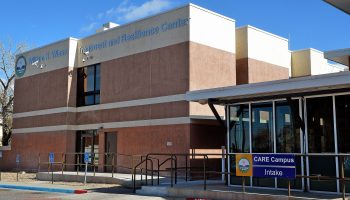



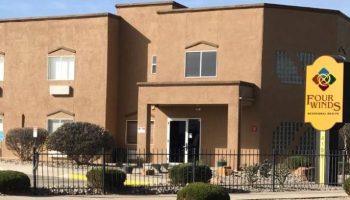




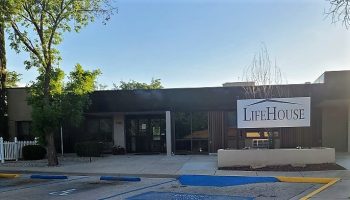
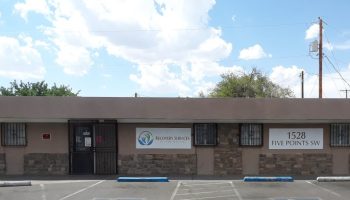
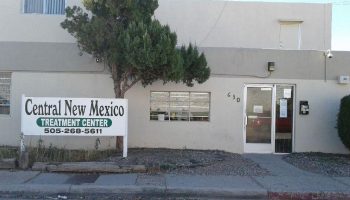

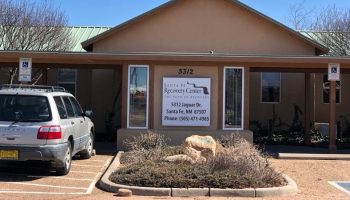
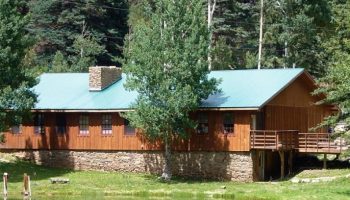




New Mexico’s detox system is licensed by the New Mexico Health Care Authority (HCA) under NMAC Title 8, Chapter 321. This consolidation happened in 2024, folding most licensing and Medicaid functions into a single state agency. The Department of Health (DOH) operates two of the state’s public detox and treatment facilities, Turquoise Lodge Hospital and the New Mexico Rehabilitation Center. A Behavioral Health Collaborative coordinates SUD funding and policy across multiple state agencies.
Care in New Mexico is shaped by several interrelated factors that most other states don’t face. Albuquerque has become a distribution point for fentanyl moving north from Mexico. The DOH issued repeated “spike action” alerts in 2025 and 2026 as fentanyl potency in the street supply rose sharply in northern counties. New Mexico was also the first state in the country to pass harm reduction legislation, back in 1997, and that legacy still shapes how detox and treatment integrate with overdose prevention today.
Tribal land access is a real consideration for many residents. New Mexico is home to 23 sovereign tribal nations, including the Navajo Nation and several Pueblo and Apache communities. Native American Medicaid members can access detox through Indian Health Service facilities, 638 tribal providers, or any Turquoise Care health plan, with the option to move between fee-for-service and managed care at any time.
When you are searching for detox in New Mexico, it is good to know that New Mexico Pathways connects residents to no-cost medications for opioid use disorder at DOH public health offices statewide, a resource that exists specifically to reduce geographic barriers in a large, rural state.