Find Drug & Alcohol Detox Centers in Aurora, IL

Detox Centers in Aurora

15 Results
Filters
Setting
Medications Offered
Treatment
Programs
Payment Options
Name Address Detox Service Setting Levels Of Care Media

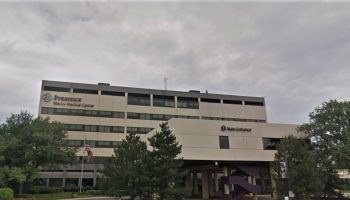
AMITA Health Mercy Medical Center Aurora

1325 North Highland Avenue Aurora, IL 60506
Detox Service Setting
Inpatient DetoxOutpatient Detox
Levels Of Care
InpatientOutpatientAftercare+2
AMITA Health Mercy Medical Center Aurora

Family Guidance Centers Aurora

751 Aurora Avenue Aurora, IL 60505
Detox Service Setting
Outpatient Detox
Levels Of Care
OutpatientAftercareDual Diagnosis
Family Guidance Centers Aurora

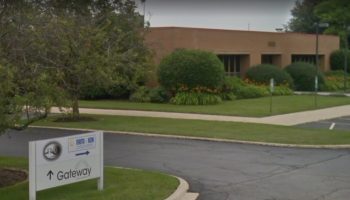
Gateway Foundation

400 Mercy Lane Aurora, IL 60506
Detox Service Setting
Inpatient DetoxOutpatient DetoxMAT
Levels Of Care
InpatientOutpatientAftercare+3
Gateway Foundation

Ascension Mercy Hospital

1325 N Highland Ave Aurora, IL 60506
Detox Service Setting
Inpatient DetoxOutpatient Detox
Levels Of Care
InpatientOutpatient

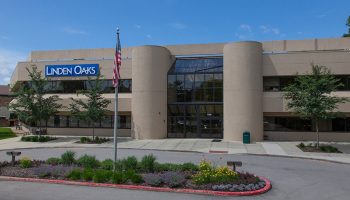
Presence Mercy Medical Behavioral Health

1330 N Lake St Aurora, IL 60506
Detox Service Setting
Inpatient DetoxOutpatient Detox
Levels Of Care
InpatientOutpatient

SunCloud Health Outpatient Treatment Center

280 Shuman Blvd Naperville, IL 60563
Detox Service Setting
Outpatient DetoxMAT
Levels Of Care
OutpatientDual DiagnosisPHP+3

Symetria Recovery Naperville

28373 Davis Parkway Warrenville, IL 60555
Detox Service Setting
Outpatient DetoxMAT
Levels Of Care
PHPOutpatientAftercare+1
Symetria Recovery Naperville

Endeavor Health Center – Naperville Behavioral Health

1335 North Mill Street Naperville, IL 60563
Detox Service Setting
Inpatient DetoxOutpatient DetoxMAT
Levels Of Care
InpatientOutpatientAftercare+4
Endeavor Health Center – Naperville Behavioral Health

Banyan Treatment Centers Chicago

50 S Main St Naperville, IL 60540
Detox Service Setting
Inpatient DetoxOutpatient Detox
Levels Of Care
InpatientOutpatient
Banyan Treatment Centers Chicago

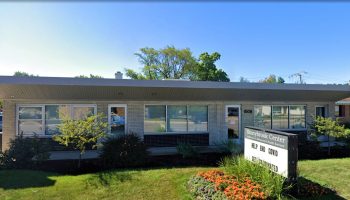
Riverwalk Counseling Center

710 East Ogden Avenue Naperville, IL 60563
Detox Service Setting
Outpatient Detox
Levels Of Care
OutpatientDual Diagnosis
Riverwalk Counseling Center

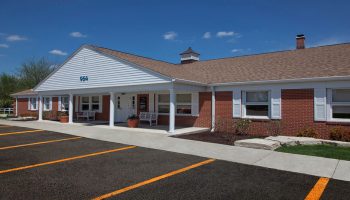
Northwestern Medicine Behavioral Health Services

964 North 5th Avenue Saint Charles, IL 60174
Detox Service Setting
Outpatient Detox
Levels Of Care
OutpatientDual Diagnosis
Northwestern Medicine Behavioral Health Services

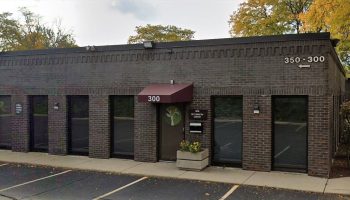
Northwestern Medicine Behavioral Health Services Winfield

27W350 High Lake Road Winfield, IL 60190
Detox Service Setting
Outpatient Detox
Levels Of Care
OutpatientDual Diagnosis
Northwestern Medicine Behavioral Health Services Winfield

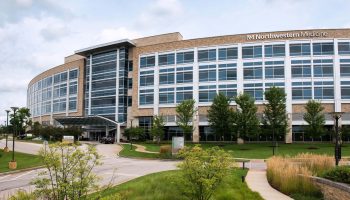
Northwestern Medicine Central DuPage Hospital

25 Winfield Road Winfield, IL 60190
Detox Service Setting
Inpatient DetoxOutpatient Detox
Levels Of Care
InpatientOutpatientDual Diagnosis
Northwestern Medicine Central DuPage Hospital

Stonybrook Center

1506 Roosevelt Road Wheaton, IL 60187
Detox Service Setting
Outpatient Detox
Levels Of Care
Outpatient
Stonybrook Center

CAP of Downers Grove

4954 Main Street Downers Grove, IL 60515
Detox Service Setting
Outpatient Detox
Levels Of Care
Outpatient
CAP of Downers Grove

Drug & Alcohol Detox in Aurora, IL

Aurora is the second-largest city in Illinois and sits primarily in Kane County, which has developed a sustained response to the ongoing synthetic opioid crisis. Aurora’s location along the BNSF corridor and Interstate 88 gives residents access to Kane County-based providers as well as facilities in neighboring DuPage County.

The Kane County Health Department serves as the primary local public health authority, tracking overdose trends, coordinating naloxone distribution and connecting residents to treatment.

Kane County coroner data shows that fentanyl was a factor in 73% of opioid-related deaths in the county, a figure that directly shapes how local detox programs approach withdrawal management and most facilities treating opioid use disorder being prepared for complex presentations involving synthetic opioids and polysubstance use.

Telehealth intake and outpatient options are also available through some programs, which helps residents without transportation get an initial evaluation before committing to in-person care.

All detox and substance use disorder treatment facilities operating in the area are licensed by the Illinois Department of Human Services Division of Substance Use Prevention and Recovery (IDHS/SUPR).

Facilities providing withdrawal management must meet the stricter standards of Administrative Code Rule 2090, which governs subacute and medically managed detox, in addition to the baseline Rule 2060 licensing requirements that apply to all SUD programs.

Knowing what to look for in a detox center is a practical first step before contacting facilities, since accreditation status, MAT availability and Medicaid acceptance vary considerably across the region.
Find The Perfect Detox Center For You

Filter treatment centers in Aurora by level of care offered to find the best detox program for you or a loved one.

Paying for Detox in Aurora

Detox costs in Aurora follow Illinois statewide patterns and vary based on level of care, substance involved and whether medications are required during withdrawal.

Understanding the full range of detox cost factors before you start calling facilities can help you compare programs and plan financially.

How Much Does Detox Cost in Aurora?

The cost of detox in Aurora depends primarily on whether the program is medically managed in a hospital setting, residential or outpatient, as well as how long withdrawal management is needed. Medications for opioid or alcohol withdrawal can add to overall costs.

Many people can significantly reduce their out-of-pocket expenses through private insurance, Illinois Medicaid or publicly funded programs that accept uninsured clients.

Outpatient MAT programs combine prescribed medications with counseling, allowing people to manage their recovery while maintaining daily responsibilities. MAT costs vary based on the specific medication and treatment duration.

$1,750 – $5,600
Medical Detox
~$630/day
Inpatient Rehab
$1,400 – $10,000
Outpatient Rehab
Varies
Methadone Treatment

Does Private Insurance Cover Detox in Aurora?

Private insurance plans sold in Illinois must comply with the Affordable Care Act, which requires substance use disorder treatment to be covered at the same level as other medical benefits under the Mental Health Parity and Addiction Equity Act. The Illinois Department of Insurance oversees insurer compliance with these parity requirements.

Coverage levels, in-network providers and prior authorization rules differ by plan, so verifying your specific benefits before admission is important.

The most common commercial insurers in the Aurora area include:

Blue Cross Blue Shield
United Health Care
Aetna
Cigna
Humana
Health Alliance

Medicare and Medicaid in Aurora

Medicare

Medicare covers medically necessary inpatient and outpatient detox services in Illinois. Part B covers Opioid Treatment Program (OTP) services, including methadone, buprenorphine and naltrexone, along with associated counseling. Copays and deductibles depend on the treatment setting, specific services and the type of plan you are enrolled in.

Medicaid

Illinois Medicaid operates through HealthChoice Illinois, a managed care program administered by the Illinois Department of Healthcare and Family Services (HFS). Through IDHS/SUPR, HealthChoice Illinois covers detox, residential treatment, intensive outpatient, standard outpatient, MAT and peer recovery support services for eligible residents.

Income-based eligibility can be checked at enrollhfs.illinois.gov or by calling 1-877-912-8880.

Other Ways to Pay for Detox Treatment

Cost should not be a barrier to getting help in Aurora. Several alternatives exist for people without private insurance or the means to pay out of pocket:

Sliding Scale Payment Systems: 

IDHS/SUPR-funded providers in the Kane County area accept uninsured and underinsured clients on income-based sliding fee scales set according to federal poverty guidelines. Contact the Illinois Helpline at 833-234-6343 to identify which local programs currently have sliding-scale availability.

State Block Grant Funding: 

IDHS/SUPR distributes federal Substance Abuse Prevention and Treatment (SAPT) block grant dollars to qualifying nonprofit providers. These programs may offer reduced-cost or fully subsidized care and prioritize certain populations, including pregnant individuals, people involved with the criminal justice system and uninsured people.

Illinois Helpline: 

The Illinois Helpline (833-234-6343) is a 24/7 statewide resource that connects callers to available substance use treatment and recovery services by insurance status. Callers can also ask for a MAR NOW coordinator for same-day access to medication-assisted treatment for opioid use disorder.

Veterans Programs: 

The Edward Hines, Jr. VA Hospital in Hines, Illinois, and the Jesse Brown VA Medical Center in Chicago both serve veterans in the Kane County region. Both facilities provide substance use disorder treatment, including detox and MAT, to eligible veterans at no cost or low cost through VA benefits.

Aurora, Illinois Regulations and Accreditation for Detox

Below are the key regulatory and accreditation bodies that oversee detox and withdrawal management services in Aurora and Kane County:

Division of Substance Use Prevention and Recovery (IDHS/SUPR)

The primary state licensing authority for all substance use disorder treatment facilities in Illinois, including detoxification programs. SUPR issues licenses under Administrative Code Rule 2060 (general SUD treatment) and Rule 2090 (subacute withdrawal management), and is responsible for monitoring compliance, investigating complaints and funding community-based SUD services statewide.

Illinois Department of Healthcare and Family Services (HFS)

HFS administers HealthChoice Illinois, the state’s Medicaid managed care program. Facilities must be certified by IDHS/SUPR and separately enrolled with HFS to bill for Medicaid-covered SUD services.

This dual-certification requirement means a SUPR-licensed facility is not automatically eligible to accept Medicaid without completing the HFS enrollment process.

Kane County Health Department

The lead local public health authority for opioid surveillance and overdose prevention in the county where Aurora is located. The department tracks county-level overdose mortality, distributes naloxone to residents and organizations and coordinates with IDHS/SUPR-funded providers to monitor treatment gaps.

Their overdose data informs local policy and resource allocation.

Key MAT Medications and Regulatory Status in Aurora

Medication-assisted treatment in Aurora is governed at both the federal and state levels. Federally, MAT programs involving opioid agonist therapy must comply with SAMHSA’s Opioid Treatment Program (OTP) requirements under 42 CFR Part 8 and DEA controlled-substance regulations.

At the state level, IDHS/SUPR licenses MAT providers and expects counseling and behavioral support to be integrated into treatment.

Buprenorphine: 

Widely accessible in the Aurora area through licensed outpatient clinics and via telehealth. Prescribing authority for buprenorphine was simplified under federal rule changes, enabling more primary care providers and addiction medicine specialists to offer it. This makes it one of the more accessible first-line options for opioid use disorder in Kane County.

Methadone: 

Dispensing is restricted to federally certified Opioid Treatment Programs and cannot be obtained through a standard pharmacy. OTPs in northern Illinois require daily in-person dosing during the initial stabilization period. Illinois Medicaid covers methadone maintenance at certified OTPs, keeping it financially accessible for eligible patients despite the logistical demands.

Naltrexone: 

Naltrexone requires no special facility licensing and has no abuse potential, making it the most prescriber-accessible MAT option. The extended-release injectable form (Vivitrol) is particularly used for alcohol use disorder and opioid use disorder in patients who have completed detox. Illinois Medicaid covers both oral and injectable naltrexone.

Overdose Prevention and Harm Reduction in Aurora

Aurora and surrounding Kane County have an active overdose prevention network supported by the county health department, state-funded programs and nonprofit organizations.

With fentanyl involved in the large majority of opioid overdose deaths in Kane County, access to naloxone and drug checking tools has become a front-line public health priority. These services often serve as the first point of contact with the healthcare system for people not yet ready for formal detox.

Kane County Health Department Naloxone Distribution

Free naloxone (Narcan nasal spray) with two-dose kits Overdose response training Community distribution at public events including the Aurora Farmers Market Information for organizations seeking to become OEND distribution partners

The Kane County Health Department, located at 1240 North Highland Avenue in Aurora, distributes free naloxone to any resident or organization in the county. They have conducted drive-through Narcan distribution events and regularly deploy at community events.

Organizations interested in distributing naloxone can contact the department at [email protected] to arrange supply pickup or delivery.

Live4Lali

Free Narcan distribution across Kane County and northern Illinois Safe use supplies (safer injection, smoking, and snorting kits) In-person and virtual harm reduction training Home delivery of supplies to individuals and families across Illinois

Live4Lali is a McHenry County-based nonprofit that distributes free Narcan and safer-use supplies throughout Kane County and the broader northern Illinois region. In 2024, the organization distributed 27,000 two-dose Narcan packets across its service area.

Supplies can be delivered directly to individuals or organizations and training is available in person or virtually.

Illinois Harm Reduction and Recovery Coalition (IHRRC)

Statewide syringe services program directory Naloxone access resources and legal guidance Harm reduction training and advocacy Resource referrals for people who use drugs and their families

IHRRC is the statewide hub connecting individuals, organizations, and communities to harm reduction services throughout Illinois. Their online directory includes local syringe exchange programs, naloxone distribution sites and other resources searchable by region.

They also provide legal guidance on Illinois’s Hypodermic Syringes and Needles Act, which authorizes syringe exchange programs across the state.

NEXT Distro

Mail-based naloxone kits shipped to Illinois residents at no cost Sterile syringe and safer-use supply delivery Overdose prevention education Referrals to local treatment and harm reduction programs

NEXT Distro operates a mail-based naloxone distribution program available to any Illinois resident. This service is particularly useful for people in Aurora who cannot easily reach in-person distribution sites.

The platform also provides harm reduction education and connects users to the Illinois Helpline and local treatment resources.

Detox Statistics in Aurora, Illinois

Kane County has experienced a downward trend in overdose deaths in recent years, though fentanyl remains the primary driver of drug-related fatalities in the Aurora area.

The following data reflects local and statewide patterns most relevant to people seeking detox in this region.

73% Fentanyl Involvement Rate in Kane County:

As of 2022, fentanyl was a contributing factor in 73% of opioid-related deaths in Kane County, according to county health data.

17,842 Naloxone Doses Distributed in Kane County:

In 2023, 17,842 doses of naloxone were distributed to Kane County first responders, organizations, agencies, and the public, and naloxone was used to reverse a suspected overdose 95 times.

8.3% Drop in Illinois Overdose Deaths in 2023:

Illinois recorded an 8.3% decrease in overdose deaths in 2023, the first reduction in drug overdose deaths in the state since 2018, driven in part by expanded naloxone distribution and improved MAT access.

FAQs About Detox in Aurora, IL

Is naloxone (Narcan) free in Aurora?

Yes. The Kane County Health Department distributes free two-dose Narcan nasal spray kits at its Aurora location (1240 North Highland Ave) and at community events, including the Aurora Farmers Market.

Live4Lali also delivers free Narcan to Kane County residents. Since naloxone became over-the-counter in Illinois, it can also be purchased at most pharmacies without a prescription.

Does Kane County have state-funded or free detox programs?

Illinois IDHS/SUPR funds a network of community-based providers throughout the state that offer low-cost or fully subsidized care to uninsured and income-eligible residents.

To find currently available state-funded programs in the Aurora area, call the Illinois Helpline at 833-234-6343.

Staff can identify facilities with open capacity and connect callers to same-day MAT access if needed.

What is the difference between inpatient and outpatient detox near Aurora?

Inpatient detox provides 24-hour medical supervision in a residential setting, which is typically recommended for alcohol withdrawal, benzodiazepine dependence or severe opioid withdrawal where medical complications are a concern.

Whereas, outpatient detox allows a person to receive withdrawal management and medications while living at home, and is better suited for individuals with mild to moderate withdrawal who have a stable home environment and strong social support.

How does HealthChoice Illinois Medicaid work for detox in Aurora?

HealthChoice Illinois is the managed care program that covers most Illinois Medicaid recipients. Once enrolled, you are assigned to a managed care organization (MCO) that manages your benefits.

The MCO can help identify in-network detox providers and coordinate prior authorizations when required.

To switch MCOs or find in-network detox facilities, call Illinois Client Enrollment Services at 1-877-912-8880 or visit enrollhfs.illinois.gov.

What should I expect during the detox intake process in Aurora?

Most facilities begin with a clinical assessment covering your substance use history, current withdrawal symptoms and any medical or mental health conditions.

From there, the staff determines the appropriate level of care. You will typically be asked to provide identification, insurance information if applicable, and a list of any current medications.

The intake process usually takes several hours.

Two people talking
Get Help Today!
If you or a loved one is in need of help, call today. Pick up the phone and get the help you need.
800-483-2193
Confidential. Available 24 Hours

Browse Detox Centers

Get Help Today Phone icon 800-779-4314