800-262-4205
Nashville Addiction Clinic

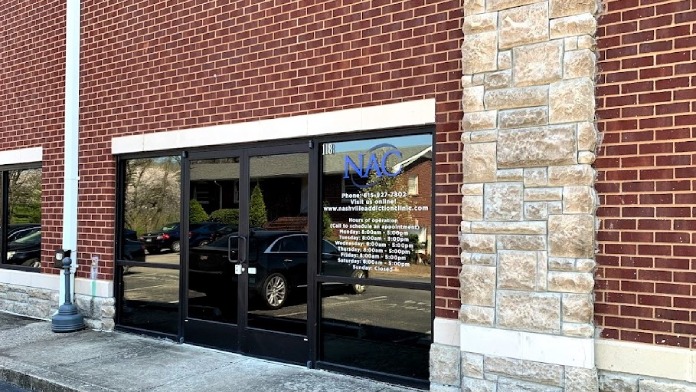
About Nashville Addiction Clinic
Nashville Addiction Clinic is a Joint Commission accredited addiction treatment center and only provides virtual sessions offering medication assisted treatment for opioid use disorder across Tennessee. They were the state’s first recipient of a Virtual OBOT license and are led by Board Certified Addiction Specialists and master’s level counselors who understand recovery personally.
Virtual Detox for Opioid Use Disorder
Nashville Addiction Clinic specializes in telemedicine based Suboxone and buprenorphine treatment for adults struggling with opioid addiction including heroin, fentanyl, prescription pain pills, and kratom. The clinic’s board certified providers deliver same day appointments on weekdays with many patients beginning treatment within 24 hours of registration.
Treatment combines medication management with evidence based therapies like cognitive behavioral therapy, motivational interviewing, relapse prevention, and trauma related counseling. Virtual sessions address both the physical and psychological aspects of opioid dependence while managing cravings and withdrawal through structured accessible care.
Co-Occurring Disorder Treatment
The clinic treats co-occurring mental health conditions alongside substance use disorders by offering integrated care for anxiety, depression, and trauma. Gender specific programming and specialized tracks for pregnant and postpartum women address unique challenges with personalized treatment plans delivered through secure virtual platforms.
Accessible Statewide Virtual Care
Nashville Addiction Clinic serves patients throughout Tennessee via HIPAA compliant telemedicine which eliminates transportation barriers and expands access to rural areas. The clinic is Joint Commission accredited and staffed by providers with extensive addiction medicine training.
The clinic accepts TennCare Medicaid, commercial insurance including BlueCross BlueShield, Aetna, Cigna, and UnitedHealthcare, plus affordable self-pay and sliding scale options.
| Levels of Care | Detox Service Setting | Programs | Payment Options |
|---|---|---|---|
|
Inpatient and residential programs provide round-the-clock medical and emotional support as you live at the treatment facility. This level of care may be recommended if you have severe addictions or mental health conditions since it removes outside distractions and allows you to focus solely on therapy. |
In outpatient therapy, you’ll attend therapy sessions several times each week while living at home. This is ideal if you have a strong support system and a lower risk of relapse. Outpatient treatment offers flexibility to maintain work, school or family obligations. |
||
|
Inpatient detox occurs in a dedicated treatment facility. You’ll live there around the clock and receive intensive medical support and supervision to help manage your withdrawal symptoms. It is suitable for individuals with moderate to severe addictions as it ensures a stable detox environment. |
Outpatient detox gives you access to medically supervised withdrawal services while still allowing you to live at home. You’ll attend a clinic for treatment and monitoring. This flexible option is suitable for those with mild to moderate withdrawal symptoms who have strong support systems. |
||
|
Alcohol detox programs offer medical support to help individuals withdraw safely from alcohol. Your care team may use medications to ease your symptoms and provide medical monitoring to address complications.
|
Drug detox programs support individuals who are withdrawing from addictive substances like cocaine and heroin. Medical support helps you manage symptoms in a controlled and safe environment so you can achieve initial sobriety.
|
||
|
Private Insurance
|
Self Pay
|
Levels of Care
Inpatient and residential programs provide round-the-clock medical and emotional support as you live at the treatment facility. This level of care may be recommended if you have severe addictions or mental health conditions since it removes outside distractions and allows you to focus solely on therapy.
In outpatient therapy, you’ll attend therapy sessions several times each week while living at home. This is ideal if you have a strong support system and a lower risk of relapse. Outpatient treatment offers flexibility to maintain work, school or family obligations.
Detox Service Setting
Inpatient detox occurs in a dedicated treatment facility. You’ll live there around the clock and receive intensive medical support and supervision to help manage your withdrawal symptoms. It is suitable for individuals with moderate to severe addictions as it ensures a stable detox environment.
Outpatient detox gives you access to medically supervised withdrawal services while still allowing you to live at home. You’ll attend a clinic for treatment and monitoring. This flexible option is suitable for those with mild to moderate withdrawal symptoms who have strong support systems.
Programs
Accepted Insurance



Contact



Kimberly Hawkins holds a Masters degree in Computing and Information Sciences from East Tennessee State University. She is also a freelance writer specializing in content related to mental health, addiction recovery, and overall wellness. On Valentine’s Day of 2024, Kimberly’s only sibling passed away of an accidental drug overdose. Since then, Kimberly has become a passionate advocate for addiction recovery awareness and support.
Detox.com regularly reviews this listing for accuracy but changes may occur between updates. For the most up-to-date information, please contact Nashville Addiction Clinic.