800-262-4205
Pennsylvania Adult and Teen Challenge Philadelphia

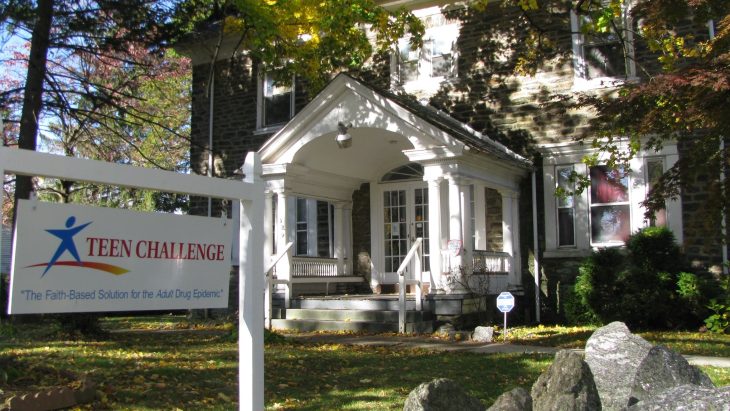
About Pennsylvania Adult and Teen Challenge Philadelphia
Pennsylvania Adult and Teen Challenge Philadelphia is a faith based residential addiction treatment program serving women and young adults. The program combines Christian principles with evidence based therapies including cognitive behavioral therapy, motivational interviewing and trauma focused counseling to address substance use disorders and co-occurring mental health conditions. This long term residential program offers holistic transformation through spiritual guidance, individual and group counseling, and comprehensive support designed to help women build lasting recovery.
Faith Centered Women’s Recovery
Pennsylvania Adult and Teen Challenge specializes in long term residential care exclusively for adult women seeking Christian centered healing from addiction. The program is part of a CARF accredited organization with over sixty years of experience, integrating Bible study and chapel services, prayer groups and twelve step facilitation with clinical treatment approaches.
Treatment includes personalized plans addressing medical and emotional, social and educational needs through structured daily programming. Women participate in individual counseling, group therapy and family sessions while receiving around the clock access to pastoral mentors and vocational training, GED programming and case management to address root causes and build practical life skills.
Medication Assisted Treatment
The program offers medication assisted treatment including buprenorphine based programs for opioid use disorders, along with specialized trauma counseling for women who have experienced trauma.
Telemedicine options provide flexibility and residents can transition to the organization’s rural Rehrersburg campus for extended immersive programming in a farm setting.
Location and Access Information
The Philadelphia women’s program has office hours Monday through Friday from 9:00 AM to 5:00 PM for inquiries about programs and services.
Pennsylvania Adult and Teen Challenge accepts Medicare, Medicaid and private insurance, military insurance and offers sliding scale fees and payment assistance based on income.
| Levels of Care | Detox Service Setting | Programs | Payment Options | |||
|---|---|---|---|---|---|---|
|
Inpatient and residential programs provide round-the-clock medical and emotional support as you live at the treatment facility. This level of care may be recommended if you have severe addictions or mental health conditions, because it offers a distraction-free environment where you can focus solely on recovery. |
Aftercare programs provide ongoing support for those who have completed a rehab program. These supports may include therapy, community groups and relapse prevention strategies. These resources give you a network of support as you reintegrate into daily life. |
|||||
|
Inpatient detox occurs in a dedicated treatment facility. Participants live at the facility around the clock and receive intensive medical support and supervision to help alleviate withdrawal symptoms. This setting is suitable for individuals with moderate to severe addictions, as it ensures a stable detox environment. |
||||||
|
Adult programs address the substance use and life challenges specific to adults. Therapists often deliver sessions in individual, group, and family settings. Job support and life skills training can also be provided.
|
Alcohol detox programs offer medical support to achieve safe withdraw from alcohol. Your care team may use medications to ease withdrawal symptoms. They also provide medical monitoring to address complications.
|
Cognitive behavioral therapy focuses on changing harmful thought patterns and behaviors associated with addiction. Participants learn healthier coping mechanisms by identifying and replacing negative thoughts. This improves emotional resilience and lowers the risk of relapse.
|
Drug detox programs support individuals who are withdrawing from addictive substances like cocaine and heroin. Medical support helps individuals manage symptoms in a controlled and safe environment.
|
Men's programs address substance use issues as well as social pressures, family roles, and mental health concerns that are specific to men. Participants learn healthy coping mechanisms, emotional resilience, and communication skills.
|
Opioid detox uses medications to ease severe withdrawal symptoms. It also includes medical supervision to manage potential complications. These services allow individuals to stabilize and start a recovery plan.
|
Young adult programs are designed for individuals who are transitioning into adulthood. Discussion topics typically include identity, independence, and peer relationships. Participants may also receive life skills training and career support.
|
|
Payment Assistance
|
Medicaid
|
Private Insurance
|
Self Pay
|
Levels of Care
Inpatient and residential programs provide round-the-clock medical and emotional support as you live at the treatment facility. This level of care may be recommended if you have severe addictions or mental health conditions, because it offers a distraction-free environment where you can focus solely on recovery.
Aftercare programs provide ongoing support for those who have completed a rehab program. These supports may include therapy, community groups and relapse prevention strategies. These resources give you a network of support as you reintegrate into daily life.
Detox Service Setting
Inpatient detox occurs in a dedicated treatment facility. Participants live at the facility around the clock and receive intensive medical support and supervision to help alleviate withdrawal symptoms. This setting is suitable for individuals with moderate to severe addictions, as it ensures a stable detox environment.
Programs
Accreditations

Accepted Insurance



Contact


Natalie is a recent Purdue University graduate where she studied Psychology and Creative Writing. She’s a fierce advocate for others and is committed to always showing up with a compassionate heart. She enjoys writing poetry, dancing, and playing piano in her free time.
Detox.com regularly reviews this listing for accuracy but changes may occur between updates. For the most up-to-date information, please contact Pennsylvania Adult and Teen Challenge Philadelphia.