

 800-262-4205
Alliance Health Fayetteville

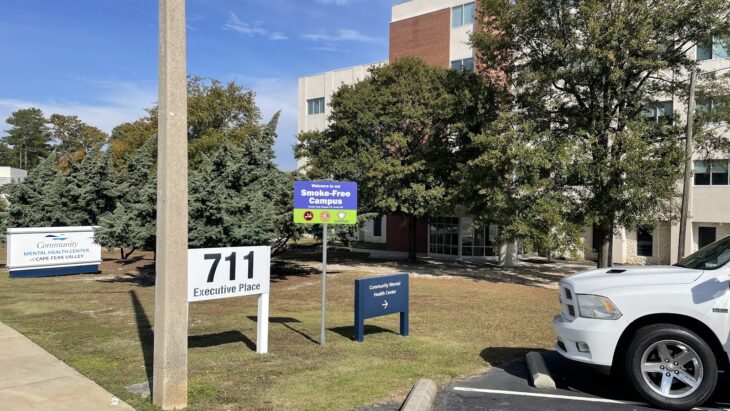
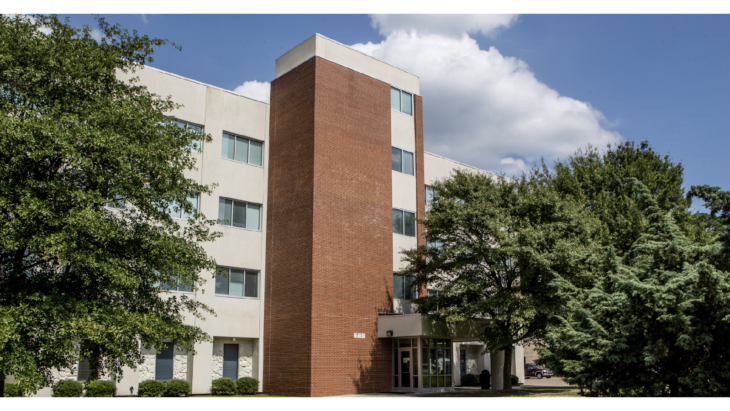
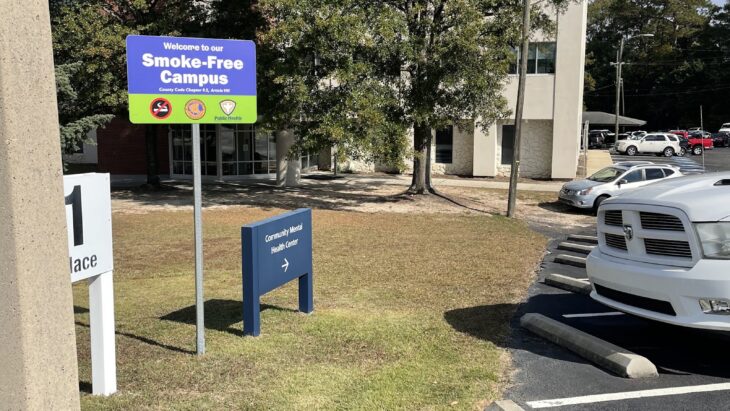

About Alliance Health Fayetteville
Alliance Health in Fayetteville, North Carolina is a public, state funded behavioral health care clinic. Their primary goal is to provide services for uninsured residents of Cumberland County with mental health needs, substance use disorders, and intellectual and developmental disabilities.
The center is accredited by The Joint Commission and licensed by the state of North Carolina to provide behavioral health care. Tricare, Medicaid and Medicare are a few of the insurance coverages accepted. A sliding fee scale is available too and services are never denied for an inability to pay.
Post Overdose Response Team
The clinic is operated by Cape Fear Valley Health. Their post overdose response team (PORT) comes to a client’s location after overdose to provide care. These services were established because of the number of overdoses in the area, particularly those recently released from the detention center.
Emergency Detox Services and Referrals
The center accepts walk in clients who need crisis intervention or referral services. Emergency services include medication assisted treatment and substance abuse assessment as well as psychiatric evaluations, psychological and neurological testing, and medication management.
Residents three years and older who are Cumberland County residents are eligible for treatment. The emergency room psychiatric wing of their inpatient psychiatric unit in Fayetteville can provide stabilization and detox services if you are in crisis.
Treating Mental Health Conditions During Detox
The clinic treats co occurring disorders too. This includes a wide range of mental health conditions like anxiety, gender issues, self esteem issues, self injury and suicidal thoughts. You will have several experts on your care team including psychiatric professionals and addiction specialists.
| Levels of Care | Detox Service Setting | Programs | Payment Options | ||||
|---|---|---|---|---|---|---|---|
|
Outpatient
|
Aftercare programs provide ongoing support once you complete a rehab program. They may include several components to help you maintain sobriety, including therapy, community support groups, and relapse-prevention strategies. This gives you a network of resources as you reintegrate into your daily life. |
Dual Diagnosis
|
An intervention is a structured and professionally guided conversation with an individual who is struggling with addiction. During the conversation, family and friends encourage the individual to seek treatment. This is often a pivotal step for those resistant to getting help. |
Sober Living
|
Intensive Outpatient
|
||
|
Outpatient detox gives you access to medically supervised withdrawal services while still allowing you to live at home. You’ll attend a clinic for treatment and monitoring. This flexible option is suitable for those with mild to moderate withdrawal symptoms who have strong support systems. |
|||||||
|
Adult programs address the substance use and life challenges specific to adults. Therapists can deliver sessions in individual, group, and family settings. Services often include job support and life-skills training in a structured environment.
|
Alcohol detox programs offer medical support to help individuals withdraw safely from alcohol. Your care team may use medications to ease your symptoms and provide medical monitoring to address complications.
|
Cognitive behavioral therapy focuses on changing harmful thought patterns and behaviors associated with addiction. You’ll learn healthier coping mechanisms by identifying and replacing negative thoughts. This improves your emotional resilience and decreases your relapse potential.
|
Men's programs address substance use while also considering the social pressures, family roles, and mental health concerns that are specific to men. You’ll learn healthy coping mechanisms as you build emotional resilience and develop communication skills.
|
Opioid detox uses medications to ease severe withdrawal symptoms. It also includes medical supervision to help you manage potential complications. These services allow you to stabilize and begin a recovery plan.
|
Women's programs offer a safe and supportive space to focus on gender-specific issues such as trauma, family roles, and mental health conditions. Therapists tailor the sessions to address women's needs and foster empowerment in a healing and nurturing environment.
|
Young adult programs are designed for individuals who are transitioning into adulthood. Topics of discussion typically include identity, independence, and peer relationships. Providers may also offer life-skills training and career support.
|
Teen (13 - 18)
|
|
Payment Assistance
|
Medicaid
|
Private Insurance
|
Self Pay
|
Levels of Care
Aftercare programs provide ongoing support once you complete a rehab program. They may include several components to help you maintain sobriety, including therapy, community support groups, and relapse-prevention strategies. This gives you a network of resources as you reintegrate into your daily life.
An intervention is a structured and professionally guided conversation with an individual who is struggling with addiction. During the conversation, family and friends encourage the individual to seek treatment. This is often a pivotal step for those resistant to getting help.
Detox Service Setting
Outpatient detox gives you access to medically supervised withdrawal services while still allowing you to live at home. You’ll attend a clinic for treatment and monitoring. This flexible option is suitable for those with mild to moderate withdrawal symptoms who have strong support systems.
Programs
Amenities
Accepted Insurance
Contact


- Monday 8AM - 5PM
- Tuesday 8AM - 5PM
- Wednesday 8AM - 5PM
- Thursday 8AM - 7PM
- Friday 8AM - 3PM

Kimberly Hawkins holds a Masters degree in Computing and Information Sciences from East Tennessee State University. She is also a freelance writer specializing in content related to mental health, addiction recovery, and overall wellness. On Valentine’s Day of 2024, Kimberly’s only sibling passed away of an accidental drug overdose. Since then, Kimberly has become a passionate advocate for addiction recovery awareness and support.

Nikki Wisher is an Atlanta-based content writer with over a decade of experience specializing in health and wellness. While she spends most of her days writing about various aspects of health, from addiction recovery to fitness to skin care, she also writes content in many other areas like photography, beauty, and marketing. Her passion project is her inclusive running blog, forallrunners.com.
Detox.com regularly reviews this listing for accuracy but changes may occur between updates. For the most up-to-date information, please contact Alliance Health Fayetteville.
Nearby Detox Centers



Search by North Carolina Cities
FAQs
Does Alliance Health Fayetteville offer medical detox for alcohol and drug withdrawal?
Alliance Health Fayetteville provides outpatient substance abuse services and assessments at its Fayetteville clinic location, but operates as an outpatient clinic rather than a medical detox facility. Individuals requiring medically supervised detoxification should contact the facility to discuss whether outpatient management is appropriate or if referral to inpatient medical detox is needed.
What substance abuse programs does Alliance Health Fayetteville offer in Fayetteville?
The facility offers outpatient substance abuse assessments, outpatient counseling for substance use disorders, and psychiatric evaluations with medication management. Services are available for adults and teens ages 13 and up. The center also provides case management and peer support to help individuals manage substance use while maintaining daily responsibilities.
What insurance does Alliance Health Fayetteville accept for substance abuse treatment?
Alliance Health Fayetteville accepts Medicaid for outpatient behavioral health and substance abuse services. Individuals should contact the facility at the Executive Place location in Fayetteville to verify coverage, discuss financial eligibility, and confirm what specific services are covered under their insurance plan.
Can teens access substance abuse treatment at Alliance Health Fayetteville?
Yes, Alliance Health Fayetteville serves adolescents ages 13 to 18 through its Teen program. Services include substance abuse assessments, outpatient counseling, and psychiatric evaluations. The facility also offers intensive in-home services for children and adolescents who need specialized support.
Does Alliance Health Fayetteville offer crisis support for substance use emergencies?
The facility operates a 24-hour Mobile Crisis Management line for urgent behavioral health and substance use crises. Walk-in crisis assessments are also available during business hours at the Executive Place location in Fayetteville to address immediate behavioral health and substance abuse concerns.