

 800-671-4304
James E Van Zandt VA Medical Center
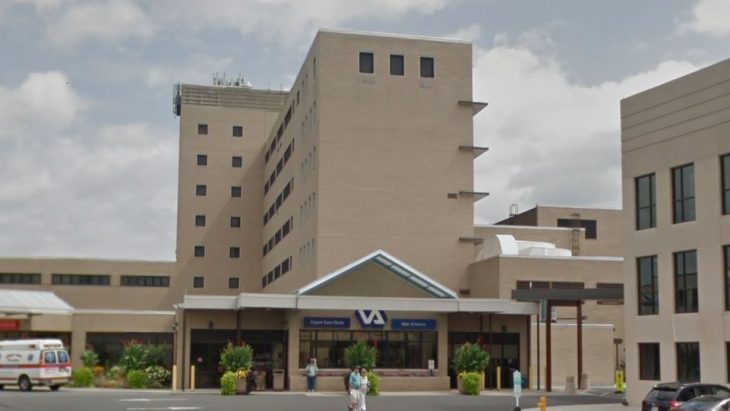
About James E Van Zandt VA Medical Center
James E. Van Zandt VA Medical Center is located in the beautiful railroad city of Altoona, Pennsylvania. Their outpatient campus provides primary care and various specialty services. These encompass mental healthcare, smoking cessation and homeless veterans care. They even offer LGBTQ+ services that deliver high-quality health care to these vulnerable members of the veteran community in a safe, welcoming and affirmative environment. Services cut across hormone therapy, psychiatric care, substance use disorder treatment and HIV/STI testing.
I especially like their comprehensive and secured telehealth services. This encompasses video conferencing and home telehealth support. They even provide secure store-and-forward telehealth that lets you securely send or receive health information to and from VA facilities. Accessing care from the comfort of your home can be super convenient.
Their mental health services address common conditions such as depression, anxiety and PTSD. It incorporates therapeutic interventions for addictive behavior/substance misuse as well as co-occurring disorders. They offer quality and individualized outpatient treatment that helps overcome these behavioral issues and lead a healthy lifestyle.
Services are very confidential and include consultation, evaluation and individual and group therapy. These therapeutic sessions are normally based on clinically proven models like DBT and CBT that promote emotional regulation. This helps you tackle negative emotions that trigger behavioral changes including substance misuse. Emphasis is on developing solid coping skills, preventing relapse and staying sober. This is achieved through anger/stress management, effective communication and building healthy relationships among others.
Their smoke cessation program can be very helpful if you’re struggling with quitting smoking or chewing tobacco. They offer support and strategies that may complement optional nicotine replacement therapy. These include FDA approved meds to manage nicotine withdrawal and the urge to smoke.
This is supported with in-person/ phone counseling to fast-track withdrawal. Additionally, their homeless veterans care can offer you valuable support if you’re already homeless or at risk of losing your home. It doesn’t matter if that’s due to addiction/mental issues, financial hardship and unemployment or even transition from jail. Through this program, you may receive transitional or permanent housing, job training and life skills education. They also provide financial assistance and help with reentry into the community after jail.
The best part is that these services are low-cost and have flexible payment options — they accept Medicare, Medicaid and TRICARE. You can get help via VA financial hardship assistance as well if you’re uninsured and unable to pay for your treatment due to financial difficulties. They support same day appointments and walk-in care for urgent health issues.
You can even receive help with transportation to your appointment if you’re eligible for that. Another great thing is that you can potentially qualify for care even if you’re not enrolled in VA health care.
| Levels of Care | Detox Service Setting | Programs | Payment Options | |||||||
|---|---|---|---|---|---|---|---|---|---|---|
|
Inpatient and residential programs provide round-the-clock medical and emotional support as you live at the treatment facility. This level of care may be recommended if you have severe addictions or mental health conditions since it removes outside distractions and allows you to focus solely on therapy. |
In outpatient therapy, you’ll attend therapy sessions several times each week while living at home. This is ideal if you have a strong support system and a lower risk of relapse. Outpatient treatment offers flexibility to maintain work, school or family obligations. |
Aftercare programs provide ongoing support after you complete a rehab program. They may include several components to help you maintain sobriety including therapy, community support groups and relapse prevention strategies. This gives you a network of resources as you reintegrate into your daily life. |
Dual diagnosis programs address substance use disorders and co-occurring mental health conditions simultaneously. This integrated approach to care improves the likelihood of long term recovery and stability by addressing the root causes of addiction. |
Intensive Outpatient
|
||||||
|
Inpatient detox occurs in a dedicated treatment facility. You’ll live there around the clock and receive intensive medical support and supervision to help manage your withdrawal symptoms. It is suitable for individuals with moderate to severe addictions as it ensures a stable detox environment. |
Outpatient detox gives you access to medically supervised withdrawal services while still allowing you to live at home. You’ll attend a clinic for treatment and monitoring. This flexible option is suitable for those with mild to moderate withdrawal symptoms who have strong support systems. |
Medication assisted treatment combines medication and counseling to manage withdrawal and reduce cravings for opioid and alcohol addiction. Medications may include methadone, buprenorphine or naltrexone. MAT is tailored to your needs so you can actively participate in your treatment journey. |
||||||||
|
Adult programs address the substance use and life challenges specific to adults. Therapists can deliver sessions in individual, group and family settings. Services often include job support and life skills training in a structured environment. |
Alcohol detox programs offer medical support to help individuals withdraw safely from alcohol. Your care team may use medications to ease your symptoms and provide medical monitoring to address complications. |
Cognitive behavioral therapy focuses on changing harmful thought patterns and behaviors associated with addiction. You’ll learn healthier coping mechanisms by identifying and replacing negative thoughts. This improves your emotional resilience and decreases your relapse potential. |
LGBTQ friendly programs create an inclusive and affirming space for recovery. Treatment is sensitive to issues like discrimination and stigma. You’ll receive support and therapy that respects and acknowledges your unique experiences. |
Men's programs address substance use while also considering the social pressures, family roles and mental health concerns that are specific to men. You’ll learn healthy coping mechanisms as you build emotional resilience and develop communication skills. |
Military and veteran programs offer specialized support for clients who served in the armed services. Programs focus on reintegration and healing within a structured and supportive environment that acknowledges the unique struggles of military life. |
Opioid detox uses medications to ease severe withdrawal symptoms. It also includes medical supervision to help you manage potential complications. These services allow you to stabilize and begin a recovery plan. |
Senior programs address the unique needs of older adults like chronic pain, grief and isolation. Programs include peer support and medical oversight for age related health concerns. The goal is to improve quality of life and promote sober aging. |
Women's programs offer a safe and supportive space to focus on gender specific issues such as trauma, family roles and mental health conditions. Therapists tailor the sessions to address women's needs and foster empowerment in a healing and nurturing environment. |
Young adult programs are designed for individuals who are transitioning into adulthood. Topics of discussion typically include identity, independence and peer relationships. Providers may also offer life skills training and career support. |
Drug detox programs support individuals who are withdrawing from addictive substances like cocaine and heroin. Medical support helps you manage symptoms in a controlled and safe environment so you can achieve initial sobriety. |
|
Military Insurance
|
Private Insurance
|
Self Pay
|
Payment Assistance
|
Levels of Care
Inpatient and residential programs provide round-the-clock medical and emotional support as you live at the treatment facility. This level of care may be recommended if you have severe addictions or mental health conditions since it removes outside distractions and allows you to focus solely on therapy.
In outpatient therapy, you’ll attend therapy sessions several times each week while living at home. This is ideal if you have a strong support system and a lower risk of relapse. Outpatient treatment offers flexibility to maintain work, school or family obligations.
Aftercare programs provide ongoing support after you complete a rehab program. They may include several components to help you maintain sobriety including therapy, community support groups and relapse prevention strategies. This gives you a network of resources as you reintegrate into your daily life.
Dual diagnosis programs address substance use disorders and co-occurring mental health conditions simultaneously. This integrated approach to care improves the likelihood of long term recovery and stability by addressing the root causes of addiction.
Detox Service Setting
Inpatient detox occurs in a dedicated treatment facility. You’ll live there around the clock and receive intensive medical support and supervision to help manage your withdrawal symptoms. It is suitable for individuals with moderate to severe addictions as it ensures a stable detox environment.
Outpatient detox gives you access to medically supervised withdrawal services while still allowing you to live at home. You’ll attend a clinic for treatment and monitoring. This flexible option is suitable for those with mild to moderate withdrawal symptoms who have strong support systems.
Medication assisted treatment combines medication and counseling to manage withdrawal and reduce cravings for opioid and alcohol addiction. Medications may include methadone, buprenorphine or naltrexone. MAT is tailored to your needs so you can actively participate in your treatment journey.
Programs
Adult programs address the substance use and life challenges specific to adults. Therapists can deliver sessions in individual, group and family settings. Services often include job support and life skills training in a structured environment.
Alcohol detox programs offer medical support to help individuals withdraw safely from alcohol. Your care team may use medications to ease your symptoms and provide medical monitoring to address complications.
Cognitive behavioral therapy focuses on changing harmful thought patterns and behaviors associated with addiction. You’ll learn healthier coping mechanisms by identifying and replacing negative thoughts. This improves your emotional resilience and decreases your relapse potential.
LGBTQ friendly programs create an inclusive and affirming space for recovery. Treatment is sensitive to issues like discrimination and stigma. You’ll receive support and therapy that respects and acknowledges your unique experiences.
Men's programs address substance use while also considering the social pressures, family roles and mental health concerns that are specific to men. You’ll learn healthy coping mechanisms as you build emotional resilience and develop communication skills.
Military and veteran programs offer specialized support for clients who served in the armed services. Programs focus on reintegration and healing within a structured and supportive environment that acknowledges the unique struggles of military life.
Opioid detox uses medications to ease severe withdrawal symptoms. It also includes medical supervision to help you manage potential complications. These services allow you to stabilize and begin a recovery plan.
Senior programs address the unique needs of older adults like chronic pain, grief and isolation. Programs include peer support and medical oversight for age related health concerns. The goal is to improve quality of life and promote sober aging.
Women's programs offer a safe and supportive space to focus on gender specific issues such as trauma, family roles and mental health conditions. Therapists tailor the sessions to address women's needs and foster empowerment in a healing and nurturing environment.
Young adult programs are designed for individuals who are transitioning into adulthood. Topics of discussion typically include identity, independence and peer relationships. Providers may also offer life skills training and career support.
Drug detox programs support individuals who are withdrawing from addictive substances like cocaine and heroin. Medical support helps you manage symptoms in a controlled and safe environment so you can achieve initial sobriety.
Amenities
Accreditations

Contact


Nearby Detox Centers

Search by Pennsylvania Cities
FAQs
Does James E Van Zandt VA Medical Center offer medical detox for alcohol and opioids?
Yes, the facility offers both outpatient and inpatient detox services for alcohol and opioid use disorders as part of its substance use disorder treatment program in Altoona, PA. Medication-assisted treatment (MAT) options including buprenorphine, methadone, naltrexone, and medications for alcohol use disorder are available through the medical center’s addiction treatment team.
What happens during the first intake appointment at VA Altoona for substance use treatment?
The initial assessment includes evaluation of substance use history, co-occurring mental health conditions, and overall health needs. The treatment team develops an individualized plan that may include counseling, group support, medication management, or referral to residential rehabilitation depending on the Veteran’s situation and treatment goals.
Can James E Van Zandt VA Medical Center treat PTSD and substance use at the same time?
Yes, the facility integrates mental health care alongside substance use disorder treatment. The medical team provides co-occurring/dual-diagnosis care, including PTSD assessment and evidence-based therapies such as Cognitive Processing Therapy (CPT) and Cognitive Behavioral Therapy (CBT) to address both conditions together.
What levels of detox and addiction treatment does VA Altoona provide for Veterans?
The facility offers outpatient detox with counseling and recovery support, intensive outpatient services, and inpatient residential rehabilitation for Veterans who need a structured treatment environment. The medical center can also connect patients with ongoing follow-up care to support long-term recovery after detox.
Who is eligible for substance use treatment at James E Van Zandt VA Medical Center?
Detox and addiction treatment services are available to eligible Veterans through the VA Altoona health care system. Veterans in crisis or concerned about another Veteran can access confidential help from qualified responders, many of whom are Veterans themselves.