

 800-262-4205
Anuvia Prevention and Recovery Center

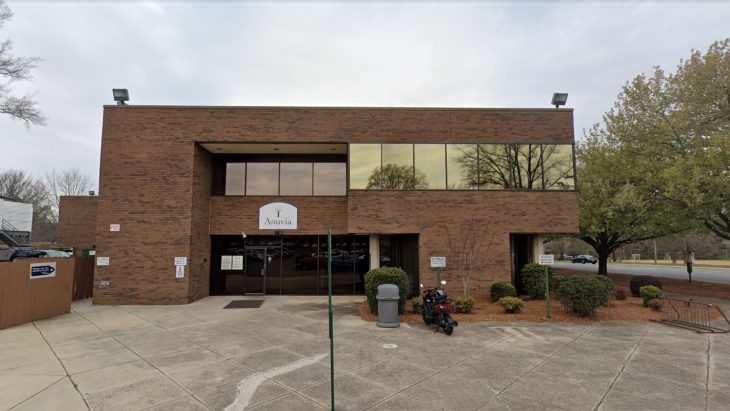
About Anuvia Prevention and Recovery Center
Anuvia Prevention and Recovery Center in Charlotte, North Carolina treats adults and adolescents who struggle with addiction. They host a range of residential and outpatient services including detox and medication assisted treatment (MAT). They take Medicaid, Medicare and many different insurance types. They don’t turn away anyone for inability to pay.
They describe their detox program as using the social detox model. It’s a 24 hour medically monitored program, but people who are likely to have major medical problems with their detox would be referred to medical detox. They do use medications to help prevent the worst consequences of detox, like seizures, blood pressure spikes and dehydration. A stay typically lasts between three and seven days.
Their detox and residential programs are in the same building. You could complete detox and then go directly into residential rehab. Their residential program length is individualized up to a 45 day stay. Their program is welcoming of people with co-occurring mental health and addiction disorders. They use the integrated dual disorder treatment model as the foundation of their program.
Their MAT program treats people who have opioid use disorder and alcohol use disorder using FDA approved medications. The medications they use include Suboxone and Vivitrol. They do not do daily dosing or methadone at this clinic. They would refer you elsewhere if this was a service they believed you needed.
A unique feature of their facility is that they offer a short-term outpatient addiction treatment program for people with mild substance use disorders. It’s a 10 to 20 week program with about two meetings a week.
| Levels of Care | Detox Service Setting | Programs | Payment Options | ||||
|---|---|---|---|---|---|---|---|
|
The residential program stays open all day and all night, every day of the year. Inpatient treatment can last from one day up to 45 days. |
Outpatient
|
Aftercare programs provide ongoing support once you complete a rehab program. They may include several components to help you maintain sobriety, including therapy, community support groups, and relapse-prevention strategies. This gives you a network of resources as you reintegrate into your daily life. |
Licensed and credentialed staff use an Integrated Dual Disorder Treatment approach. It combines substance use care with mental health care. |
An intervention is a structured and professionally guided conversation with an individual who is struggling with addiction. During the conversation, family and friends encourage the individual to seek treatment. This is often a pivotal step for those resistant to getting help. |
IOP meets three times a week across 12 weeks. Optional continuing care meets once weekly for four to six weeks. |
||
|
Inpatient detox occurs in a dedicated treatment facility. You’ll live there around the clock and receive intensive medical support and supervision to help manage your withdrawal symptoms. It is suitable for individuals with moderate to severe addictions as it ensures a stable detox environment. |
Outpatient detox gives you access to medically supervised withdrawal services while still allowing you to live at home. You’ll attend a clinic for treatment and monitoring. This flexible option is suitable for those with mild to moderate withdrawal symptoms who have strong support systems. |
||||||
|
Care here is aimed at adults with a substance use disorder. That’s the group the program specializes in treating. |
Alcohol detox programs offer medical support to help individuals withdraw safely from alcohol. Your care team may use medications to ease your symptoms and provide medical monitoring to address complications.
|
Drug detox programs support individuals who are withdrawing from addictive substances like cocaine and heroin. Medical support helps you manage symptoms in a controlled and safe environment so you can achieve initial sobriety.
|
Men's programs address substance use while also considering the social pressures, family roles, and mental health concerns that are specific to men. You’ll learn healthy coping mechanisms as you build emotional resilience and develop communication skills.
|
Opioid detox uses medications to ease severe withdrawal symptoms. It also includes medical supervision to help you manage potential complications. These services allow you to stabilize and begin a recovery plan.
|
Women's programs offer a safe and supportive space to focus on gender-specific issues such as trauma, family roles, and mental health conditions. Therapists tailor the sessions to address women's needs and foster empowerment in a healing and nurturing environment.
|
Young adult programs are designed for individuals who are transitioning into adulthood. Topics of discussion typically include identity, independence, and peer relationships. Providers may also offer life-skills training and career support.
|
Adolescent programs run from the first assessment through graduation. They’re built around teens and their families. |
|
Payment Assistance
|
Medicaid
|
Private Insurance
|
Self Pay
|
Levels of Care
The residential program stays open all day and all night, every day of the year. Inpatient treatment can last from one day up to 45 days.
Aftercare programs provide ongoing support once you complete a rehab program. They may include several components to help you maintain sobriety, including therapy, community support groups, and relapse-prevention strategies. This gives you a network of resources as you reintegrate into your daily life.
Licensed and credentialed staff use an Integrated Dual Disorder Treatment approach. It combines substance use care with mental health care.
An intervention is a structured and professionally guided conversation with an individual who is struggling with addiction. During the conversation, family and friends encourage the individual to seek treatment. This is often a pivotal step for those resistant to getting help.
IOP meets three times a week across 12 weeks. Optional continuing care meets once weekly for four to six weeks.
Detox Service Setting
Inpatient detox occurs in a dedicated treatment facility. You’ll live there around the clock and receive intensive medical support and supervision to help manage your withdrawal symptoms. It is suitable for individuals with moderate to severe addictions as it ensures a stable detox environment.
Outpatient detox gives you access to medically supervised withdrawal services while still allowing you to live at home. You’ll attend a clinic for treatment and monitoring. This flexible option is suitable for those with mild to moderate withdrawal symptoms who have strong support systems.
Programs
Care here is aimed at adults with a substance use disorder. That’s the group the program specializes in treating.
Adolescent programs run from the first assessment through graduation. They’re built around teens and their families.
Amenities
Accreditations

Accepted Insurance

Contact


Detox.com regularly reviews this listing for accuracy but changes may occur between updates. For the most up-to-date information, please contact Anuvia Prevention and Recovery Center.
Nearby Detox Centers



Search by North Carolina Cities
FAQs
What levels of care can you get at Anuvia Prevention and Recovery Center?
Residential care stays open all day and all night, every day of the year, and inpatient treatment runs from one day to 45 days. IOP meets three times a week for 12 weeks, with morning and evening hours and many sessions by telehealth. There’s also short-term outpatient care, Integrated Dual Disorder Treatment for co-occurring disorders care and 12-step meetings with group and individual therapy.
How long do the programs at Anuvia Prevention and Recovery Center run?
Inpatient treatment can be as short as one day or as long as 45. You’ll find IOP three times a week across 12 weeks, in morning or evening hours, and many of those sessions are telehealth. Optional continuing care is once weekly for four to six weeks. 12-step meetings sit with group and individual therapy.
How can you pay if insurance doesn't cover everything?
You can use nearly all major plans, including Medicare, Medicaid, Aetna, Ambetter, Ameri Health Caritas and BCBS. A sliding scale adjusts the cost by income and family size. Can’t pay? Services are still available, and costs can be spread over time rather than paid in full at each visit.
Can you walk in for an assessment without an appointment?
Yes. The program is open 24 hours a day, all seven days. You can walk in any time for an assessment. You don’t need an appointment.