

 800-262-4205
AspenRidge Recovery Lakewood
About AspenRidge Recovery Lakewood
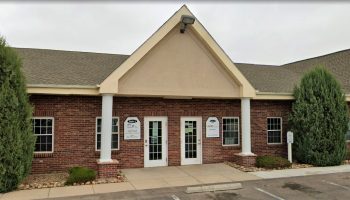
AspenRidge Recovery provides outpatient substance use treatment for adults. You’ll find ’em located in Lakewood, Colorado. The rehab center is located just outside Denver and offers assistance for co-occurring mental health conditions.
Providing Hybrid and Virtual Care Options
AspenRidge Recovery offers day programs and intensive outpatient (IOP) options, depending on your specific recovery needs. Hybrid programs are also featured that combine virtual sessions with in-person care. This service allows clients convenient online sessions and one-on-one time with their counselors.
Medication assisted treatment (MAT) is available for those experiencing opioid or alcohol addiction. They use FDA-approved medicines to make guests more comfortable by reducing cravings and lessening withdrawal symptoms.
Your program can consist of up to 30 hours of counseling each week. They understand that family and friends play crucial roles in your recovery. They welcome loved ones to meet with clinicians to help work through trust issues, set healthy boundaries, and learn how addiction affects relationships to establish a supportive sober network.
Greater Support Beyond Recovery
Clients also belong to a community through the Alumni program. This program keeps you engaged in recovery with 12 Step support meetings and sober events like hiking, camping, and socialization.
| Levels of Care | Detox Service Setting | Programs | Payment Options | |||
|---|---|---|---|---|---|---|
|
Inpatient and residential programs provide round-the-clock medical and emotional support as you live at the treatment facility. This level of care may be recommended if you have severe addictions or mental health conditions since it removes outside distractions and allows you to focus solely on therapy. |
In outpatient therapy, you’ll attend therapy sessions several times each week while living at home. This is ideal if you have a strong support system and a lower risk of relapse. Outpatient treatment offers flexibility to maintain work, school or family obligations. |
Partial hospitalization programs provide comprehensive treatment in a structured setting during the day but allow you to return home at night. These programs offer a balance of inpatient and outpatient rehab and provide intensive support without full time residency. |
Intensive Outpatient
|
Dual diagnosis programs address substance use disorders and co-occurring mental health conditions simultaneously. This integrated approach to care improves the likelihood of long term recovery and stability by addressing the root causes of addiction. |
||
|
Inpatient detox occurs in a dedicated treatment facility. You’ll live there around the clock and receive intensive medical support and supervision to help manage your withdrawal symptoms. It is suitable for individuals with moderate to severe addictions as it ensures a stable detox environment. |
Outpatient detox gives you access to medically supervised withdrawal services while still allowing you to live at home. You’ll attend a clinic for treatment and monitoring. This flexible option is suitable for those with mild to moderate withdrawal symptoms who have strong support systems. |
Medication assisted treatment combines medication and counseling to manage withdrawal and reduce cravings for opioid and alcohol addiction. Medications may include methadone, buprenorphine or naltrexone. MAT is tailored to your needs so you can actively participate in your treatment journey. |
||||
|
Alcohol detox programs offer medical support to help individuals withdraw safely from alcohol. Your care team may use medications to ease your symptoms and provide medical monitoring to address complications. |
Drug detox programs support individuals who are withdrawing from addictive substances like cocaine and heroin. Medical support helps you manage symptoms in a controlled and safe environment so you can achieve initial sobriety. |
Adult programs address the substance use and life challenges specific to adults. Therapists can deliver sessions in individual, group and family settings. Services often include job support and life skills training in a structured environment. |
Women's programs offer a safe and supportive space to focus on gender specific issues such as trauma, family roles and mental health conditions. Therapists tailor the sessions to address women's needs and foster empowerment in a healing and nurturing environment. |
Men's programs address substance use while also considering the social pressures, family roles and mental health concerns that are specific to men. You’ll learn healthy coping mechanisms as you build emotional resilience and develop communication skills. |
Opioid detox uses medications to ease severe withdrawal symptoms. It also includes medical supervision to help you manage potential complications. These services allow you to stabilize and begin a recovery plan. |
Cognitive behavioral therapy focuses on changing harmful thought patterns and behaviors associated with addiction. You’ll learn healthier coping mechanisms by identifying and replacing negative thoughts. This improves your emotional resilience and decreases your relapse potential. |
|
Private Insurance
|
Self Pay
|
Medicaid
|
Levels of Care
Inpatient and residential programs provide round-the-clock medical and emotional support as you live at the treatment facility. This level of care may be recommended if you have severe addictions or mental health conditions since it removes outside distractions and allows you to focus solely on therapy.
In outpatient therapy, you’ll attend therapy sessions several times each week while living at home. This is ideal if you have a strong support system and a lower risk of relapse. Outpatient treatment offers flexibility to maintain work, school or family obligations.
Partial hospitalization programs provide comprehensive treatment in a structured setting during the day but allow you to return home at night. These programs offer a balance of inpatient and outpatient rehab and provide intensive support without full time residency.
Dual diagnosis programs address substance use disorders and co-occurring mental health conditions simultaneously. This integrated approach to care improves the likelihood of long term recovery and stability by addressing the root causes of addiction.
Detox Service Setting
Inpatient detox occurs in a dedicated treatment facility. You’ll live there around the clock and receive intensive medical support and supervision to help manage your withdrawal symptoms. It is suitable for individuals with moderate to severe addictions as it ensures a stable detox environment.
Outpatient detox gives you access to medically supervised withdrawal services while still allowing you to live at home. You’ll attend a clinic for treatment and monitoring. This flexible option is suitable for those with mild to moderate withdrawal symptoms who have strong support systems.
Medication assisted treatment combines medication and counseling to manage withdrawal and reduce cravings for opioid and alcohol addiction. Medications may include methadone, buprenorphine or naltrexone. MAT is tailored to your needs so you can actively participate in your treatment journey.
Programs
Alcohol detox programs offer medical support to help individuals withdraw safely from alcohol. Your care team may use medications to ease your symptoms and provide medical monitoring to address complications.
Drug detox programs support individuals who are withdrawing from addictive substances like cocaine and heroin. Medical support helps you manage symptoms in a controlled and safe environment so you can achieve initial sobriety.
Adult programs address the substance use and life challenges specific to adults. Therapists can deliver sessions in individual, group and family settings. Services often include job support and life skills training in a structured environment.
Women's programs offer a safe and supportive space to focus on gender specific issues such as trauma, family roles and mental health conditions. Therapists tailor the sessions to address women's needs and foster empowerment in a healing and nurturing environment.
Men's programs address substance use while also considering the social pressures, family roles and mental health concerns that are specific to men. You’ll learn healthy coping mechanisms as you build emotional resilience and develop communication skills.
Opioid detox uses medications to ease severe withdrawal symptoms. It also includes medical supervision to help you manage potential complications. These services allow you to stabilize and begin a recovery plan.
Cognitive behavioral therapy focuses on changing harmful thought patterns and behaviors associated with addiction. You’ll learn healthier coping mechanisms by identifying and replacing negative thoughts. This improves your emotional resilience and decreases your relapse potential.
Amenities
Accreditations


Contact



Patti Croft has content writing experience in several areas, including health and fitness, cybersecurity, and animal care. She is passionate about mental health and addiction treatment and strives to share information that is enjoyable and accessible. She loves reading, consuming too much coffee, and spending time with her friends and pets.

Peter W.Y. Lee is a historian with a focus in American Cold War culture. He has examined how popular culture has served as a coping mechanism for the challenges and changes impacting American society throughout the twentieth century.
Nearby Detox Centers


Search by Colorado Cities
FAQs
What detox and withdrawal management services does AspenRidge Recovery Lakewood offer?
AspenRidge Recovery Lakewood provides outpatient detox and Office-Based Withdrawal Management (OWM) services to help clients safely manage withdrawal symptoms under medical supervision. The facility combines medication-assisted treatment with counseling and behavioral therapies as part of its evidence-based detox approach for substance use disorders.
Does AspenRidge Recovery Lakewood offer medication-assisted treatment for opioid addiction?
Yes, AspenRidge Recovery Lakewood offers Medication-Assisted Treatment (MAT) that includes FDA-approved medications such as buprenorphine and naltrexone. The MAT program combines these medications with counseling and therapy to reduce cravings, manage withdrawal symptoms, and support long-term recovery.
What substances does AspenRidge Recovery Lakewood provide detox treatment for?
AspenRidge Recovery Lakewood treats a wide range of substance use disorders, including alcohol, opioids, benzodiazepines, stimulants, and other drugs. The facility provides comprehensive, evidence-based treatment tailored to each individual’s specific addiction and withdrawal needs.
What levels of outpatient care are available at AspenRidge Recovery Lakewood?
AspenRidge Recovery Lakewood offers Partial Hospitalization Program (PHP), Intensive Outpatient Program (IOP), and Outpatient Program (OP) levels of care. These flexible options allow clients to receive structured treatment while maintaining work, school, or family responsibilities. Both in-person and virtual treatment are available.
Does AspenRidge Recovery Lakewood treat co-occurring mental health and substance use disorders?
Yes, AspenRidge Recovery Lakewood provides integrated dual diagnosis treatment that addresses both substance use and co-occurring mental health conditions such as anxiety, depression, PTSD, and bipolar disorder. The facility uses trauma-informed, evidence-based therapies including Cognitive Behavioral Therapy and Dialectical Behavior Therapy.
What insurance plans does AspenRidge Recovery Lakewood accept for detox and addiction treatment?
AspenRidge Recovery Lakewood accepts Medicaid, Aetna, Anthem, Blue Cross Blue Shield, Cigna, Humana, Kaiser Permanente, and UnitedHealthcare. The facility also offers affordable self-pay options, and the admissions team can verify insurance coverage and discuss payment options with clients and families.